China Top Custom Countertop Manufacturers and Suppliers
China’s countertop industry offers buyers a wide range of materials, finishes, and fabrication capabilities. A strong supplier can turn a measured slab into a precise fit around sinks, cooktops, and wall corners. Small errors show quickly. Seam placement matters.
Demand for kitchen upgrades provides useful context. The 2024 U.S. Houzz & Home Study reported a median kitchen renovation spend of $24,000 in 2023 among surveyed U.S. homeowners. That figure is not a countertop-only budget, but it signals why buyers scrutinize durability, appearance, and installation planning. The National Kitchen & Bath Association (NKBA) also describes the kitchen as “the heart of the home,” a familiar phrase that captures its daily role. NKBA CEO Bill Darcy has used this description in discussing kitchen design.
For international buyers, comparing China’s Custom Countertop manufacturers means looking beyond attractive samples. Ask about slab inspection, edge profiles, dimensional tolerances, packaging, lead times, and the process for resolving defects. Request current project references and written specifications; a polished catalog alone proves little. Some comparisons remain imperfect, since suppliers may quote different stone grades, finishes, or packaging standards. That deserves a second look. This guide introduces leading Chinese manufacturers and suppliers, while treating published claims as claims to verify—not guarantees. A careful shortlist can reduce surprises, though no checklist replaces clear communication and a signed sample approval.
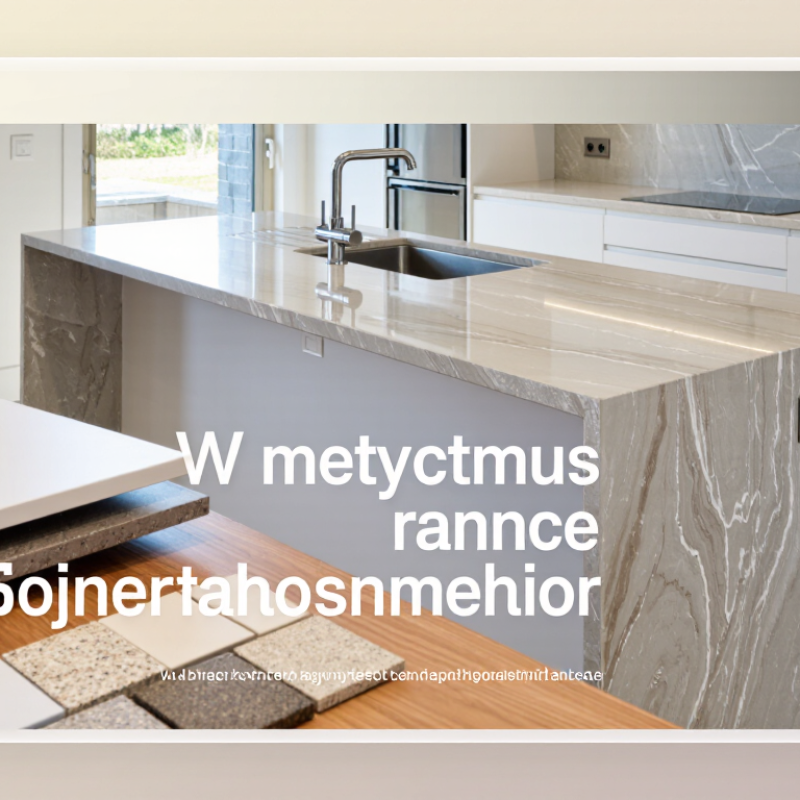
China’s Custom Countertop Industry: Scope and Market Overview
China’s custom countertop industry sits at the intersection of stone processing, interior fit-out, and made-to-order manufacturing. Suppliers commonly work with natural stone, engineered stone, porcelain, and solid surfaces, offering cut-to-size slabs, edge profiles, sink openings, and backsplash pieces. Production capacity alone does not tell the whole story. Measurement accuracy, slab yield, finish consistency, and protective packing all affect the final result.
Grand View Research estimated the global countertop market at USD 132.7 billion in 2023 and projected a 4.8% compound annual growth rate from 2024 to 2030. This figure covers regions and materials worldwide; it is not a China-only estimate. Still, it signals substantial demand across renovation and new construction. China’s role is better understood through its broad fabrication and export supply chains than through one market-size figure. One gap remains: published data often groups countertops with wider surface or building-material categories, making precise comparisons difficult.
Tips: Request a measured drawing, slab photos, edge details, and packaging specifications before confirming an order. Check how the supplier handles color variation and replacement pieces. Small details matter. A beautiful sample can still differ from the full slab.
Common Countertop Materials and Customization Options
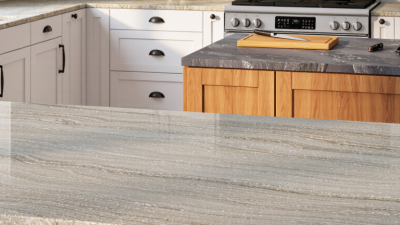
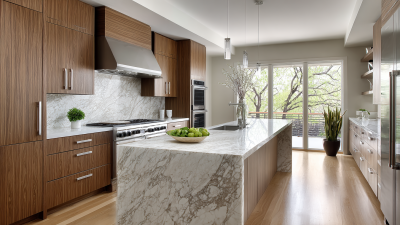
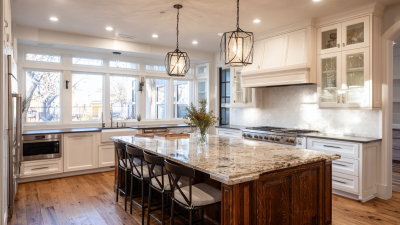
Custom countertop projects often begin with a choice between appearance, maintenance, and budget. Quartz offers consistent patterns and a nonporous surface, while natural granite varies in color and veining from slab to slab. Marble has distinctive movement but can stain or etch, so it may need more careful upkeep. Porcelain is thin and heat-resistant, though cutting and edge finishing require skilled fabrication. Solid-surface materials allow inconspicuous seams and simple repairs. Details matter.
Customization goes beyond color. Buyers can compare matte and polished finishes, rounded or square edges, integrated backsplashes, and cutouts for sinks or cooktops. A thicker-looking edge may use a built-up profile rather than a solid, thick slab. That distinction affects both appearance and cost. A small sample can also be misleading; natural stone patterns may look different across a full countertop.
When discussing options with manufacturers or suppliers, share cabinet dimensions, sink specifications, and photos of the installation area. Ask how seams will be placed and what care the selected material needs. Measure twice. Check samples in the room’s actual lighting, and confirm that the quoted finish and edge profile match the fabrication plan. A detail can still be missed, so written specifications are useful.
How Custom Countertops Are Designed and Manufactured
Custom countertops begin with how a space is used, not just its dimensions. A designer checks cabinet levels, wall angles, sink position, appliance clearances, and overhangs. Measurements are taken at several points because walls rarely stay perfectly straight. Small details matter. Material samples are reviewed under the room’s actual lighting, since a polished surface can look different beside a window.
The approved layout becomes a physical template or digital drawing. Fabricators mark seams, cutouts, edge profiles, and support needs before cutting. Slabs are inspected for veins, color shifts, fissures, and usable areas; the pattern is planned to make visible transitions feel intentional. CNC equipment supports accurate cutting, while skilled hands refine corners and edges. Water is often used during cutting to control heat and dust. A sink opening may need a slightly eased edge to reduce chipping risk.
After fabrication, pieces are dry-fitted where practical and checked for dimensions and finish. Installers prepare the cabinets, provide suitable support, and align seams and cutouts. Not every site behaves as the drawing predicts; a bowed wall or uneven cabinet may require adjustment. That possibility deserves honest attention. Final sealing depends on the material, so care instructions should match its composition rather than rely on a generic label.
Leading Custom Countertop Manufacturers and Suppliers in China
China’s leading custom countertop manufacturers and suppliers serve residential, hospitality, and commercial projects with made-to-measure surfaces. Their capabilities may include quartz, natural stone, porcelain, and other materials, depending on equipment and sourcing. A dependable supplier explains these options clearly instead of promising that every material suits every space. Small details matter.
Experienced teams check slab color, edge profiles, cutouts, and dimensions before production. Buyers can ask how measurements are verified and what inspection steps happen before packing. For example, sink openings and backsplash heights should match approved drawings, not assumptions made during installation planning.
Clear communication is essential. A capable supplier provides material samples, drawings, and realistic production updates. Still, a small sample cannot show every variation in a full stone slab. That limitation deserves attention. Ask how the factory handles color differences, chipped edges, or pieces that fail inspection. Requesting photographs of finished work and a written specification can make comparisons more practical.
Shipping preparation also affects quality. Confirm how countertops are supported, protected, labeled, and packed for transport. Timelines can change when materials require extra processing or replacement. Even a well-organized supplier may face delays. Careful questions, documented measurements, and a sample review help buyers assess custom countertop manufacturers and suppliers in China with fewer surprises.
How to Select a Supplier and Manage Sourcing and Quality Control
China Top Custom Countertop Manufacturers and Suppliers
Choosing a custom countertop supplier takes more than comparing quoted prices. Share drawings with clear dimensions, edge profiles, cutouts, thickness, and finish requirements. Ask how the supplier checks slab color and veining against approved samples. Natural stone varies, so agree on acceptable variation before production. For engineered surfaces, confirm the specified material and finish in writing.
Tips: Request a physical sample and a dated production sample when possible. Confirm who checks measurements, packaging, and loading. Keep approvals and inspection photos in one record. Short calls help, but written details prevent costly misunderstandings.
A capable supplier should explain its production steps and flag risks, such as tight cutouts or unsupported overhangs. Ask for inspection criteria, lead times, and a plan for damaged pieces. If feasible, inspect a finished unit before shipment; otherwise, arrange clear photo checks of corners, edges, and cutouts. Even with careful checks, surprises happen. A veining pattern may look different across a full slab, or a site measurement may change. Build time for review and correction into the schedule. I have seen sourcing plans become too optimistic when they assume every approval arrives on time. Keep communication direct, and confirm changes before work continues.