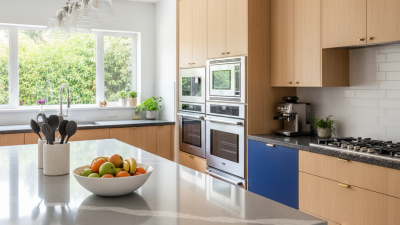
How to Choose the Right Home Countertop for Your Space?
Choosing the right Home Countertop is less about copying a beautiful showroom and more about understanding daily life. Your kitchen may face coffee spills, knife marks, hot baking trays, and rushed breakfasts. A surface that looks perfect can still disappoint when its maintenance feels demanding.
Kitchen designer Susan Serra, CKD, offers a practical reminder: “A countertop should support the way you live, not merely complete the room.” Her point matters because every material creates different responsibilities. Quartz offers consistent color and simple cleaning. Granite provides natural variation and strong heat resistance, though sealing may be required. Marble brings soft veining and elegance, but acids can etch its surface. Laminate can reduce costs, while butcher block adds warmth and needs regular care.
Look closely at your space before choosing. Measure the island, note window light, and inspect where seams may appear. Place sample pieces beside your cabinets and flooring. View them in morning and evening light. Small details matter. A dark surface can make a narrow kitchen feel heavier. Pale counters can reveal crumbs quickly.
Budget is important, but replacement difficulty matters too. A low initial price may involve more repairs or earlier renewal. Still, no material wins everywhere. That is the uncomfortable part. Even expert advice cannot predict every household habit. Children, pets, heavy cooking, and limited cleaning time should influence the decision. The best Home Countertop is not simply attractive. It is the surface your household can realistically live with, maintain, and enjoy for years.
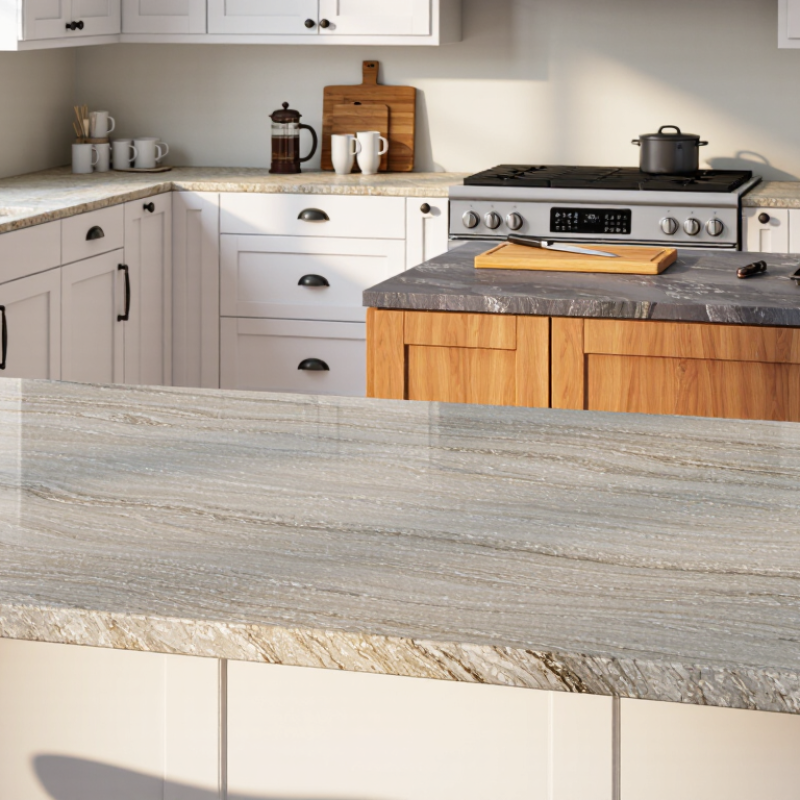
Define Your Space, Layout, and Countertop Requirements
How to Choose the Right Home Countertop for Your Space?
Define your space before comparing colors or materials. Measure wall lengths, cabinet depths, appliance openings, and planned overhangs. A narrow galley kitchen needs clear walkways, not a dramatic island. The National Kitchen & Bath Association recommends about 42 inches between opposing work areas for one cook and 48 inches for multiple cooks. Houzz’s 2024 U.S. Kitchen Trends Study reported that 84% of renovating homeowners upgraded their countertops. That demand makes planning more important. A beautiful surface can still fail when seams sit beside a sink or doors collide with an overhang.
Match the countertop to your daily habits. Quartz offers consistent patterns and low routine maintenance, while natural stone brings variation that requires careful sealing and inspection. Porcelain can suit high-heat areas, but its edges may chip during transport or installation. Ask fabricators about slab thickness, seam placement, support requirements, and cutout reinforcement. Bring home physical samples. Lighting changes everything. I once underestimated how strongly warm bulbs altered a pale surface; photographs were misleading. That mistake is easy to repeat. Check samples beside flooring, cabinet doors, and backsplash materials at morning and evening. Leave enough landing space beside cooking and washing zones. The U.S. Environmental Protection Agency also advises selecting low-emitting materials where indoor air quality matters, including compatible adhesives and sealants.
Compare Countertop Materials, Durability, and Maintenance Needs
How to Choose the Right Home Countertop for Your Space?
A countertop should match your daily habits, not only your kitchen style.
Granite and other natural stones offer strong heat resistance and a distinctive surface. However, some stones need periodic sealing to reduce staining. Wipe spilled coffee, oil, and lemon juice quickly. Small habits matter.
Engineered quartz resists many stains and needs little routine care. It can still suffer from heat damage, so use a trivet under hot pans. Porcelain handles heat, scratches, and sunlight well, but its edges may chip from a heavy impact. Laminate costs less and cleans easily, yet water can damage exposed seams. Solid wood feels warm and can be repaired, but it needs regular oiling and careful drying around the sink.
Think about the whole room.
A busy family kitchen may need stain resistance more than a perfectly natural pattern. A baking area benefits from a smooth, cool surface. I once underestimated the mess created by an unsealed sink edge. That mistake changed how I judge installation quality. Ask how often sealing, oiling, or special cleaning is required. Read the care instructions before choosing.
No surface is maintenance-free. Choose the maintenance you can honestly manage.
Evaluate Installation Details, Sinks, and Backsplash Compatibility
How to Choose the Right Home Countertop for Your Space?
A countertop should fit your room, cabinets, sink, and daily routines. Measure the cabinet run, wall gaps, appliance openings, and overhangs before choosing a surface. Small errors can create visible seams or delay installation. I once underestimated a wall that was slightly out of square. That assumption was wrong.
Ask the installer how the countertop will be supported. Wide overhangs may need brackets, especially near seating areas. Confirm the final template date after cabinets are level and fixed in place. Sink selection also affects the cutout, edge profile, and installation schedule. An undermount sink creates a clean transition, but it needs accurate cutting and strong material support. A top-mount sink can simplify replacement later. Check faucet holes, soap dispensers, and clearance behind the basin before fabrication.
Backsplash compatibility deserves equal attention. A full-height backsplash may require outlets to move forward or upward. Thick tile can change the countertop’s wall clearance. Leave enough space for faucet handles to operate comfortably. Seal joints near the sink and backsplash carefully, because standing water often enters these areas. Ask for a physical sample beside your cabinet door and wall tile. Colors can shift under warm evening lighting. Recheck everything. That small step is easy to skip.
Home Countertop Installation Planning Dimensions
These common residential planning dimensions help evaluate countertop depth, sink fit, backsplash compatibility, overhang, and circulation space. Always confirm measurements with the sink manufacturer, cabinet specifications, and local building requirements.
Set a Realistic Budget and Make the Final Countertop Choice
Choosing a countertop begins with an honest budget, not a dream material. Measure the cabinets carefully, then add costs for fabrication, edge profiles, sink cutouts, delivery, installation, and old-surface removal. These extras can quietly increase the final bill by 20 percent or more.
I once underestimated installation charges and had to change my preferred edge design. It was frustrating, but the experience taught me to request detailed, written quotes. Ask whether sealing, backsplash work, and plumbing adjustments are included. Compare at least three estimates, and check the installer’s experience with your chosen surface. A beautiful sample means little if the seams are poorly placed.
Tips: Keep 10 to 15 percent of your budget for unexpected work. View full-size samples in your kitchen’s daylight and evening lighting. Place a warm pan or sharp object only where the manufacturer allows it. Consider daily habits, too. Busy kitchens may need a surface that hides crumbs and tolerates frequent cleaning. Families with young children might prefer rounded edges. Do not choose only by appearance. Touch the sample, inspect its thickness, and ask how repairs are handled. A slightly less fashionable option may serve you better for many years. Your final choice should fit the room, the budget, and your real routine.