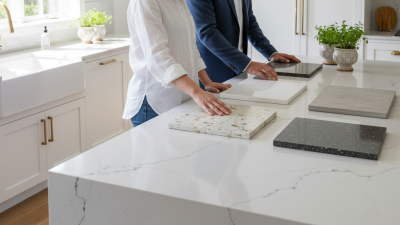
What is Sintered Stone and Why is it the Top Choice in 2026?
In 2026, Sintered Stone has emerged as a premium choice for modern architecture and design. Renowned industry expert Dr. Emily Carter states, "Sintered Stone is revolutionizing the way we think about surfacing materials." This innovative material combines aesthetics with durability, making it a top contender for kitchens and bathrooms.
Sintered Stone is crafted through technology that mimics natural processes. It offers incredible resistance to heat, stains, and scratches. For architects and designers, its versatility is unparalleled. However, some skepticism remains about its long-term performance in varied climates. The initial investment can also deter potential users.
Yet, as Dr. Carter suggests, the benefits often outweigh the challenges. Homeowners are increasingly drawn to this material’s unique appearances and eco-friendly attributes. With proper care, Sintered Stone can offer lasting beauty. Thus, it stands out in the crowded marketplace of surface options for 2026.
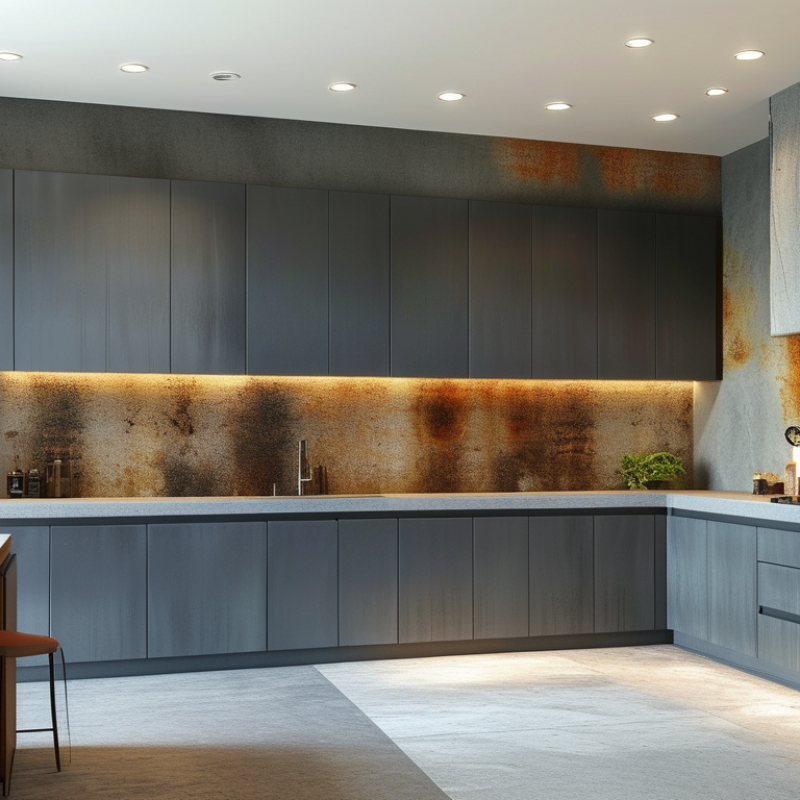
What is Sintered Stone?
Sintered stone is an innovative material that combines natural minerals and advanced technology. It undergoes a high-pressure process, which creates a dense, durable surface. This stone is resistant to scratches, stains, and heat. Homeowners appreciate its versatility, making it suitable for countertops, flooring, and even wall cladding.
The production of sintered stone involves a careful balance of materials. Minerals like clay, quartz, and feldspar are chosen for their durability. However, not all sintered stones are created equal. Variations in the manufacturing process can lead to differences in quality. Understanding these nuances is essential for making an informed decision.
Sintered stone offers the beauty of natural stone with added benefits. It can mimic the look of marble or granite while providing superior performance. Yet, the aesthetic appeal can sometimes overshadow concerns about potential brittleness. Users might find that certain colors or finishes are less forgiving when it comes to long-term wear. Therefore, it's crucial to consider these factors when selecting sintered stone for your space.
Comparative Advantages of Sintered Stone in 2026
The Composition and Manufacturing Process of Sintered Stone
Sintered stone is a remarkable material known for its durability and aesthetic appeal. Its manufacturing process involves high temperatures and pressures that fuse natural minerals into a solid surface. The key components include clays, feldspar, and quartz, which are pressed and sintered to create a non-porous material. According to industry reports, sintered stone surfaces exhibit resistance to scratches, stains, and heat, which makes them ideal for various applications, including countertops and flooring.
The production of sintered stone is both energy-intensive and resource-specific. High-quality materials contribute to its excellent performance. However, the environmental impact of mining these minerals raises questions. In 2022, around 65% of manufacturers reported challenges in sourcing sustainable raw materials. Innovative approaches are emerging to address these issues, focusing on recycling and using alternative minerals. These advancements indicate a growing awareness of sustainability in the industry.
Despite its strengths, some drawbacks remain. The weight of sintered stone can pose installation challenges. Additionally, while the surface is scratch-resistant, it is not entirely impervious to damage. Reports suggest that users may benefit from regular maintenance to preserve the material's vibrancy. Understanding these nuances is crucial for consumers and professionals alike.
Key Properties and Advantages of Sintered Stone
Sintered stone has emerged as a top choice for various applications in 2026. This engineered material combines natural minerals under extreme heat and pressure. The result is a durable surface, ideal for countertops and flooring. Sintered stone is non-porous, making it resistant to stains and bacteria. Its durability ensures it can withstand heavy use in both residential and commercial settings.
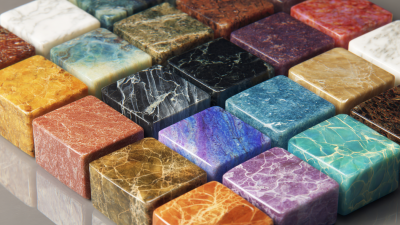
One of the key properties of sintered stone is its versatility. It comes in various colors and textures, mimicking natural stone appearances. Architects and designers appreciate this ability to customize spaces. However, installation can pose challenges. Precision is essential, and uneven surfaces may create problems. It's important to hire experienced professionals to achieve the best results.
Another advantage of sintered stone is its sustainability. Made from natural materials, it presents an eco-friendly option. Yet, the production process can be energy-intensive. This raises questions about its overall environmental impact. While sintered stone offers many benefits, considering long-term effects is essential. Balancing beauty, durability, and sustainability can lead to more informed decisions.
Applications of Sintered Stone in Design and Architecture
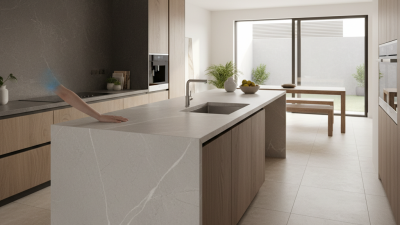
Sintered stone has emerged as a game changer in design and architecture. Its versatility allows for a multitude of applications. For example, this material is perfect for kitchen countertops, bathroom vanities, and flooring. According to a 2022 industry report, the global market for sintered stone is projected to reach $1.5 billion by 2026, highlighting its popularity. Designers appreciate its durability and aesthetic appeal.
In terms of design, sintered stone offers a wide range of colors and textures. This flexibility enables architects to create seamless installations that enhance any space. The smooth surface of sintered stone is both visually stunning and easy to maintain. Furthermore, its resistance to scratches and stains makes it a practical choice for high-traffic areas. However, some architects report challenges in cutting and shaping the material, which could impact installation times.
Environmental considerations play a role in sintered stone's appeal. Many brands focus on sustainable sourcing and production methods. Yet, as demand increases, the potential for resource depletion is concerning. Sustainability should always be part of the conversation in architecture. Balancing beauty, durability, and eco-friendliness is essential for future designs.
What is Sintered Stone and Why is it the Top Choice in 2026? - Applications of Sintered Stone in Design and Architecture
| Application |
Description |
Advantages |
Trends in 2026 |
| Countertops |
Durable surfaces for kitchens and bathrooms. |
Heat-resistant, scratch-proof, and easy to clean. |
Increased use in eco-friendly designs. |
| Flooring |
Strong, aesthetic flooring solutions for high-traffic areas. |
High durability and low maintenance needs. |
Growing variety of textures and finishes. |
| Wall Cladding |
Exterior and interior wall coverings. |
Weather-resistant and visually appealing. |
Focusing on contemporary designs and sustainability. |
| Furniture |
Custom-made tables and shelving units. |
Unique aesthetics combined with durability. |
Integration with smart home technology. |
| Outdoor Applications |
Patios, garden walkways, and pool surrounds. |
Resistant to UV rays and harsh weather. |
Increased use in sustainable landscaping projects. |
Trends and Market Position of Sintered Stone in 2026
Sintered stone has gained significant traction in the market as we progress through 2026. Its unique properties make it a favored choice for architects and designers. This material is scratch-resistant and highly durable, making it ideal for various applications. Homeowners appreciate its aesthetic appeal and wide range of designs. This versatility allows it to fit seamlessly into both modern and traditional settings.
The market position of sintered stone reflects growing consumer awareness of sustainable materials. Its production often involves fewer raw materials and less energy compared to traditional stone processes. This eco-friendly aspect attracts a conscious audience. However, there is still a learning curve. Many consumers are unfamiliar with its advantages. Education and outreach are essential in facilitating acceptance.
Trends indicate a shift towards minimalist designs, which sintered stone complements perfectly. Geometric patterns and neutral colors are increasingly popular. Yet, some worry about its higher upfront cost. It may deter budget-conscious buyers. Despite these concerns, the long-term benefits are clear. Sintered stone offers longevity that often outweighs initial expenses.