How to Choose Quartz Stone Countertops for Your Home?
Selecting the right Quartz Stone Countertops for your home can be a daunting task. As interior design expert Sarah Nelson states, “The perfect countertop can transform your kitchen into a masterpiece.” Quartz Stone Countertops offer durability and aesthetic appeal, making them a popular choice among homeowners.
Choosing the right color and texture is essential. Some homeowners overlook how the countertop integrates with other elements in their kitchen. The wrong choice can clash with cabinetry or flooring. Factors like maintenance and pricing often complicate decisions. Understanding these aspects can save you time and money.
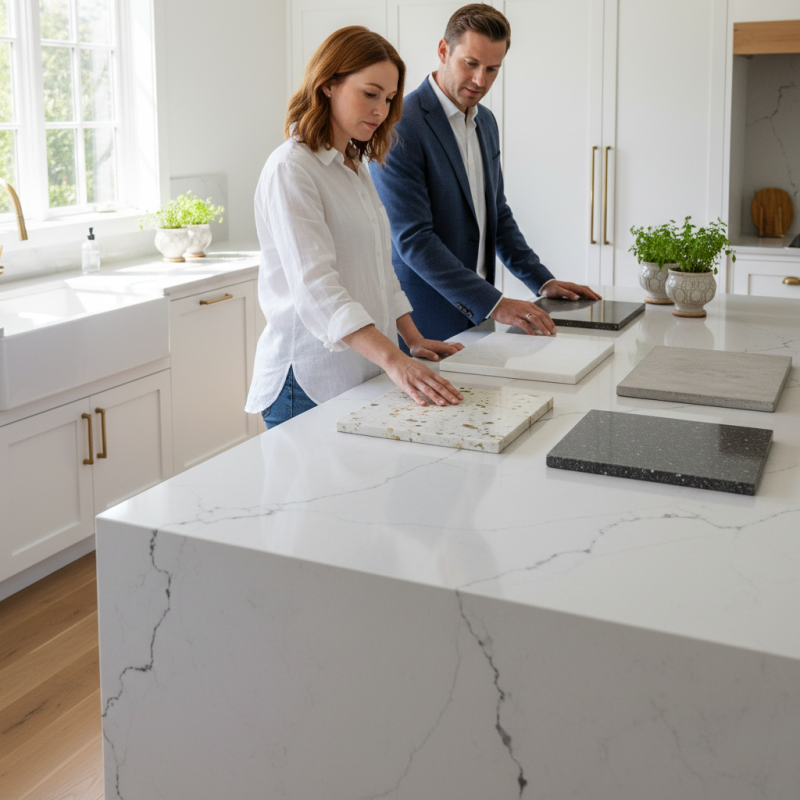
It’s important to consider personal style and functionality. Every home is unique, and it’s easy to get lost in options. View samples in natural light to see true colors. Engaging with professionals can provide clarity, but trusting your instincts is equally vital. Be mindful of trends; like fashion, they can become outdated.
Understanding the Basics of Quartz Stone Countertops
When selecting quartz stone countertops, understanding the basics is crucial.
Quartz countertops are composed of approximately 90-95% crushed natural quartz crystals mixed with resins and polymers.
This composition grants them durability and a non-porous surface, making them resistant to stains and bacteria.
According to the National Kitchen and Bath Association, quartz accounts for over 30% of the countertop market due to its combination of aesthetics and functionality.
Color and texture play a significant role in the choice of quartz countertops.
With countless options available, consumers may feel overwhelmed.
Recent studies reveal that lighter shades are popular in contemporary designs.
However, darker colors can hide scratches and stains better than lighter ones.
It's essential to consider the specific needs of your kitchen or bathroom.
This decision often requires thoughtful reflection on your lifestyle and preferences.
Another aspect is the maintenance considerations.
While quartz countertops require less maintenance than natural stone, they still demand periodic cleaning.
It's vital to consult reliable resources for care guidelines.
Understanding these basics aids homeowners in making informed choices.
The right countertop can enhance both the functionality and beauty of your space.
Evaluating Your Home Design Style and Aesthetic Preferences
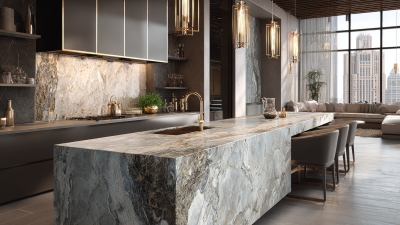
When selecting quartz stone countertops, consider your home's design style and aesthetic preferences. Start by examining the existing elements in your home. Are your walls a soft pastel or a bold color? The right countertop should complement these colors. For example, a light quartz can brighten a darker kitchen. Think about the textures around you as well. A sleek, polished finish may clash with rustic wooden cabinets.
Imagine your ideal ambiance. Do you prefer a contemporary look or a more traditional feel? If you lean towards modern aesthetics, opt for quartz with clean lines and subtle patterns. Patterns can vary widely; some resemble natural stone, while others are more uniform. However, striking a balance is crucial. A highly patterned countertop may dominate a simple kitchen, making the space feel disjointed.
It's essential to reflect on your lifestyle too. Do you host large gatherings or enjoy quiet family meals? Choose materials that fit your usage. For high-traffic areas, a durable yet visually appealing quartz may be necessary. Keep in mind, selecting underlying tones and visual elements takes time. Do not rush the process. Making the wrong choice can lead to regret down the line. Taking time to really think about your preferences might just lead to the perfect fit.
How to Choose Quartz Stone Countertops for Your Home? - Evaluating Your Home Design Style and Aesthetic Preferences
| Design Style |
Color Palette |
Countertop Finish |
Durability |
Maintenance Level |
| Modern |
Neutral tones (white, gray) |
Polished |
High |
Low |
| Traditional |
Warm colors (beige, brown) |
Honed |
Medium |
Medium |
| Industrial |
Cool tones (gray, black) |
Textured |
High |
Low |
| Farmhouse |
Earthy tones (green, cream) |
Matte |
Medium |
Medium |
| Contemporary |
Bold colors (blue, red) |
Glossy |
High |
Low |
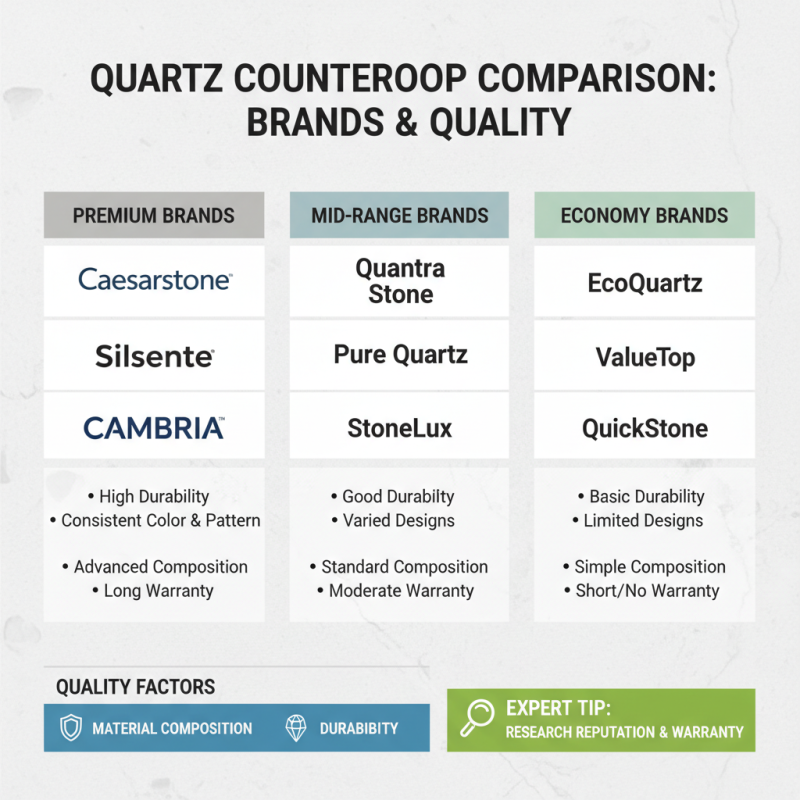
Comparing Different Quartz Stone Brands and Quality
Choosing the right quartz stone for your countertops can feel overwhelming. With various brands on the market, quality often varies significantly. It’s essential to look for brands that have a solid reputation in the industry. Experts recommend focusing on the material composition, which affects durability and appearance.
The thickness of the quartz slab is crucial. Thicker slabs generally offer better resistance to chipping and cracking. Many homeowners prefer 3 cm thickness for this reason. Surface finishes also play a role; polished surfaces can enhance color, while honed finishes provide a softer look. However, honing may require more maintenance to prevent staining.
Price is another factor to consider. High-quality quartz stones can command a higher price, which reflects their durability and aesthetic appeal. Cheaper options might appear attractive but could lead to disappointment in the long run. It’s wise to seek recommendations from those who have experience with different brands. Their insights can guide you toward a more informed decision.
Budgeting for Your Quartz Stone Countertop Project
When budgeting for your quartz stone countertop project, it's essential to understand the various costs involved. Quartz countertops are durable and stylish but can vary in price depending on quality and design. Expect to spend anywhere from $50 to over $150 per square foot. Factors such as edge profile and installation complexities can impact the final cost.
Tips: Consider measuring your space accurately. This will help you avoid over-ordering or under-budgeting. Include costs for installation, as skilled labor is essential for a perfect fit. Look for local suppliers who offer competitive pricing but have a good reputation.
Keep in mind that not all quartz is created equal. Some patterns may look appealing but come with a higher price tag. It's okay to feel overwhelmed by choices. Reflect on your kitchen's style and how the countertop will complement it. Prioritize your preferences to make informed decisions without breaking the bank.
Maintenance and Care Tips for Longevity of Quartz Countertops
When it comes to maintaining quartz countertops, regular cleaning is crucial. A study by the National Kitchen and Bath Association reveals that 88% of homeowners prefer easy-to-maintain surfaces. Use a mild soap and water solution, applying it with a soft cloth to avoid scratches. Avoid acidic cleaners, as they can dull the surface.
Sealing quartz is an important step for longevity but often overlooked. While quartz is non-porous, maintaining its sheen requires occasional care. Experts recommend checking for sealant wear every one to two years. If you notice uneven areas, it may be time to reapply. This simple measure can prolong the life of your countertop significantly.
Stains can happen, especially with high-traffic use. Address spills promptly. Blot, don’t wipe, to prevent spreading. When faced with stubborn stains, a soft scrub pad and a gentle cleaner can help. Awareness of potential issues is key. For example, prolonged exposure to direct sunlight can cause fading. By understanding these care tips, homeowners can ensure their quartz surfaces remain beautiful for longer.
Quartz Countertops Maintenance and Care Tips