Choosing the best Bar Counter Top manufacturer in China is less about finding a single “top” name and more about matching a supplier to your project. A café serving hot drinks may need a different surface from a hotel bar exposed to spills, heavy equipment, and constant cleaning. Material options can include engineered stone, natural stone, solid surface, stainless steel, and wood. Each brings different costs, maintenance needs, edge details, and design limits.
Look beyond product photos. Ask manufacturers for material specifications, available thicknesses, finish samples, fabrication capabilities, and packaging details. A reliable supplier should explain how cutouts, seams, corners, and sink areas will be made, then confirm those details in approved drawings. Small checks matter. Request recent project references and clarify inspection steps before production. If possible, compare a physical sample with your lighting and cabinet colors; online images can hide texture and shade differences.
Price matters, but it should not be the only filter. Compare quotations using the same dimensions, material grade, edge profile, and delivery terms. Ask how the supplier handles damaged pieces or measurements that do not match the approved plan. No manufacturer is perfect, and even careful sourcing cannot remove every risk. That is worth remembering. This guide introduces practical ways to evaluate China’s Bar Counter Top manufacturers, compare their strengths, and choose a partner whose workmanship, communication, and documentation fit your needs.
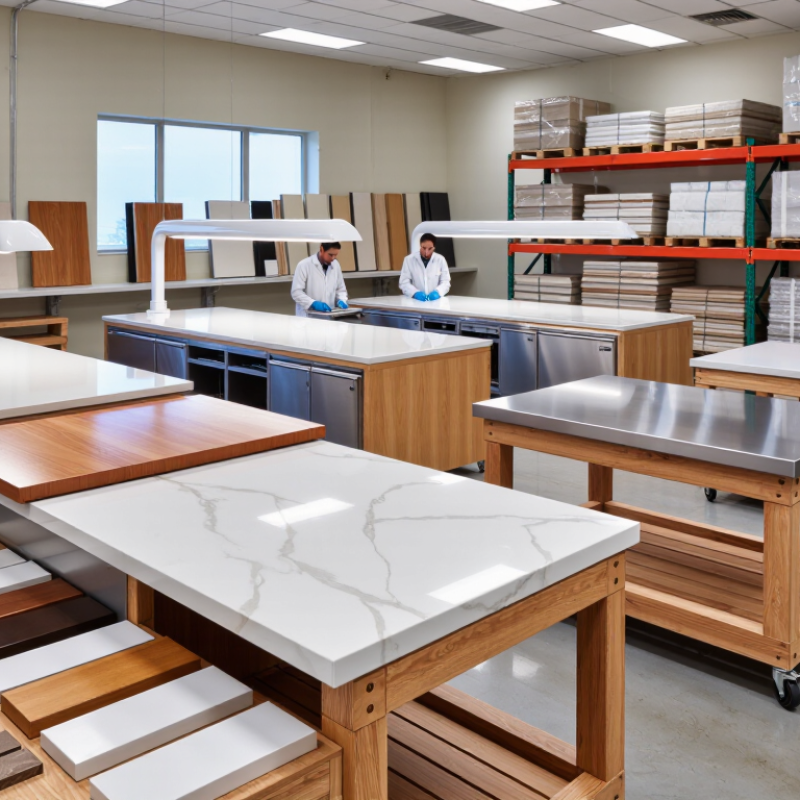
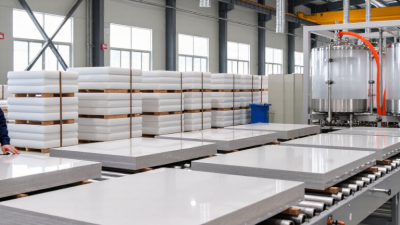
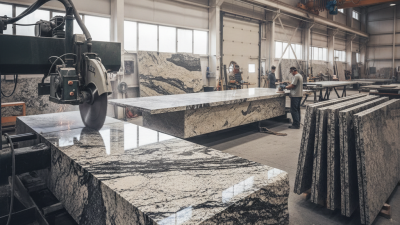
China’s bar countertop manufacturers produce more than flat slabs. Many fabricate engineered quartz, granite, marble, sintered stone, and solid-surface tops for bars, cafés, and hotels. Typical orders include custom dimensions, rounded or bevelled edges, splashbacks, and cut-outs for sinks or taps. Some factories also supply matching panels and installation accessories. Production usually involves slab selection, cutting, edge finishing, polishing, and inspection; buyers should confirm which steps happen in-house.
Material choice matters. Houzz’s 2024 U.S. Kitchen Trends Study reported that engineered quartz was selected for 42% of renovated kitchen countertops in its survey. This is a U.S. residential finding, not a measure of Chinese factory output, but it indicates strong consumer interest in quartz surfaces. For a busy bar, compare stain resistance, heat tolerance, seam visibility, and repair options. A glossy sample can look flawless under showroom lights. Real lighting may reveal different tones.
Tips: Request a full-size sample and a drawing with finished dimensions. Confirm slab thickness, edge profile, packaging, and inspection photos before shipment. Small details get missed. Ask how the supplier handles color variation between batches, especially for natural stone.
| Product or Service | Common Materials | Typical Fabrication | Common Features and Options | Typical Applications |
|---|---|---|---|---|
| Solid-surface bar countertops | Acrylic or polyester-based solid-surface sheets, often blended with mineral filler | Cutting, shaping, seam joining, sanding, and edge finishing | Integrated or undermount sink openings, curved profiles, and inconspicuous seams; repairability depends on the material and damage | Bars, cafés, hotel counters, and reception areas |
| Engineered-quartz countertops | Engineered stone made primarily from quartz aggregate and binder | Slab cutting, edge profiling, polishing, and sink or equipment cutouts | Multiple colors and surface patterns; seams and cutouts are planned to suit the slab and installation layout | Hospitality bars, restaurant counters, and commercial interiors |
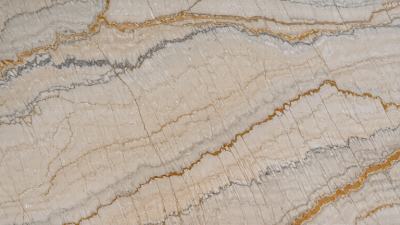
| Natural-stone countertops | Granite, marble, and other available natural stones | Slab selection, cutting, edge fabrication, surface finishing, and sealing where appropriate | Each slab has natural variation; finish and care requirements differ by stone type | Feature bars, hotel lounges, and upscale dining spaces |
| Porcelain or sintered-stone countertops | Large-format porcelain panels or sintered mineral surfaces | Precision cutting, edge treatment, and cutouts using suitable tooling | Thin or standard-thickness formats may be available; handling and edge details require careful specification | Commercial bars, food-service areas, and contemporary interiors |
| Stainless-steel countertops | Stainless-steel sheet over a fabricated support or substrate | Sheet cutting, bending, welding, grinding, and finishing | Brushed or other specified finishes, raised backsplashes, and openings for sinks or bar equipment | Service bars, beverage-preparation stations, and back-of-house areas |
| Laminate countertops | Decorative high-pressure laminate bonded to a suitable substrate | Panel cutting, laminate application, edge banding, and cutout fabrication | Broad choice of colors and patterns; edge details and substrate suitability should be confirmed for the intended use | Bars, cafés, food courts, and budget-conscious fit-outs |
| Wood and wood-veneer countertops | Solid wood, plywood, or engineered panels with wood veneer | Panel sizing, edge shaping, sanding, and application of a specified protective finish | Wood species, grain direction, thickness, and finish can be specified; protection and maintenance depend on the finish and exposure | Interior bars, tasting rooms, and hospitality spaces with a warm design palette |
| Custom bar-top fabrication | One or more of the materials listed above | Made-to-measure fabrication based on drawings, templates, or approved dimensions | May include shaped edges, joints, backsplashes, sink openings, and equipment cutouts; feasibility depends on material and design | Renovations, new-build projects, and counters with non-standard layouts |
| Project coordination and export packing | Packaging methods selected for the finished countertop material and dimensions | Dimension checks, protective packing, and preparation for shipment | Confirm drawings, tolerances, crate requirements, delivery terms, and installation responsibilities before ordering | Domestic and international commercial fit-out projects |
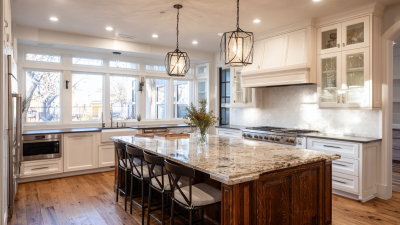
Choosing a bar countertop starts with how it will be used, not just how it looks. In busy bars, granite and engineered quartz are popular for their durability and simple cleaning. Granite varies from slab to slab, sometimes showing small pits or mineral marks. That natural character may appeal to some owners, but not everyone. Quartz offers more consistent colors, though excessive heat can damage its resin binder.
Stainless steel suits commercial spaces where quick cleanup matters. Spills wipe away easily, but fingerprints and fine scratches can stand out beneath pendant lights. Solid-surface material allows discreet seams and can often be repaired after light scratches. It may feel less hard than stone, however. Marble brings striking veining and a cool touch, but citrus juice, wine, and acidic cleaners can leave marks. There is no perfect surface.
Wood adds warmth to a quieter bar, yet needs regular sealing and careful moisture control. When comparing countertop manufacturers in China, ask for the material grade, slab thickness, edge details, and care guidance. Request a sample, but remember that a small piece may not show the full pattern of a large slab. Check how the finished edge feels, too; guests notice it when resting their hands at the counter.
A bar countertop starts with its setting, not a material sample. Designers measure wall angles, service access, stool clearance, and the location of sinks or taps. A few millimeters can affect how sections meet. So measurements are checked on site before fabrication.
The chosen surface is then matched to its expected use. Stone, solid surface, and wood each need different support, cutting, and finishing methods. Fabricators prepare a template, mark seams and openings, and cut the slabs with suitable equipment. Edges may be eased or shaped for comfort. Small details matter. The underside also needs attention, especially around sink cutouts and unsupported spans. Installers dry-fit sections where possible, then level and secure them on a stable base. Seams are aligned and finished to reduce visible gaps. A drawing can still miss an uneven wall or an awkward corner; that is worth admitting early. Final checks should cover level, edge consistency, secure joints, and a clean surface. The result depends on careful coordination between measurement, fabrication, and installation—not on appearance alone.
When evaluating Chinese bar countertop manufacturers, check the factory’s process, not just its sample. Houzz’s 2024 U.S. Kitchen Trends Study reported quartz as the most popular countertop material, selected by 42% of renovating homeowners. That figure signals demand, not durability. Ask whether the offered slab is natural stone, engineered quartz, or porcelain, then match the test report to that exact material and thickness.
Request recent test results, production photos, and a sample cut with the specified edge profile. For natural stone, review water-absorption and flexural-strength results; for engineered surfaces, ask for product-specific performance data. Verify the factory’s quality system, calibration records, and inspection steps. A polished sample can hide variation. Check slab-to-slab color, resin spots, corner chipping, and the underside finish under neutral lighting.
Confirm dimensions, tolerances, packaging, and replacement terms in writing. Ask how the supplier protects long bar-length pieces during crating and shipment, and request photos of packed orders. Compare the quoted price with the same thickness, finish, edge, and packing standard. I would not treat a certificate as proof that every batch matches. Small gaps in inspection can still become visible at installation.
Leading Chinese bar-counter suppliers stand out through process control, not polished catalogs alone. Ask how they verify countertop dimensions, edge profiles, and cutouts before production. A difference of a few millimeters can complicate installation around sinks or support frames. Reliable suppliers explain their measurement process and confirm drawings with the buyer.
Material knowledge matters. A capable team can describe how stone, stainless steel, solid surface, or engineered materials respond to moisture, heat, cleaning products, and daily impact. Request samples with finished edges, not just flat swatches. Check joints under angled light, and inspect corners for chips or uneven polishing. Small details matter.
Communication is another useful test. Clear quotations should specify thickness, finish, tolerances, packing method, and inspection points. Ask for dated production photos or a sample inspection report when the order is complex. Good packaging reduces risk, but it cannot correct weak fabrication. One honest caveat: a sample may look excellent while a large batch varies. Discuss acceptable variation before confirming production, and keep the agreed specifications in writing. The best supplier is not always the cheapest. It is the one that explains trade-offs plainly and responds with evidence when questions arise.