Why Are CBD Vape Products Popular With Buyers?
CBD vape products have gained attention because they combine a familiar device format with a portable, ready-to-use presentation. Buyers may value the compact cartridge, simple controls, and quick setup. Convenience matters. Yet popularity does not establish product quality, safety, or effectiveness.
Market figures help explain the broader commercial backdrop, but they should not be mistaken for vape-specific demand. Grand View Research estimated the global cannabidiol market at US$7.71 billion in 2023. That figure covers CBD products generally, not just CBD vape products. It signals commercial interest, not proof that every buyer has the same reason for choosing a vape. Packaging, flavor options, availability, and personal preference may all shape decisions. The details matter.
For a careful perspective, FDA physician-scientist Dr. Amy Abernethy warned, “CBD has the potential to harm you, and harm can happen even before you become aware of it.” Her statement addresses CBD products broadly, rather than vaping alone. That distinction deserves attention. Buyers should look beyond sleek devices and marketing claims, checking ingredient information, independent testing, and clear product labeling. This article explores why CBD vape products appeal to buyers while separating convenience and consumer interest from claims that require stronger evidence. Some questions remain unsettled, and that uncertainty belongs in the conversation.
What CBD Vape Products Are and How They Are Used
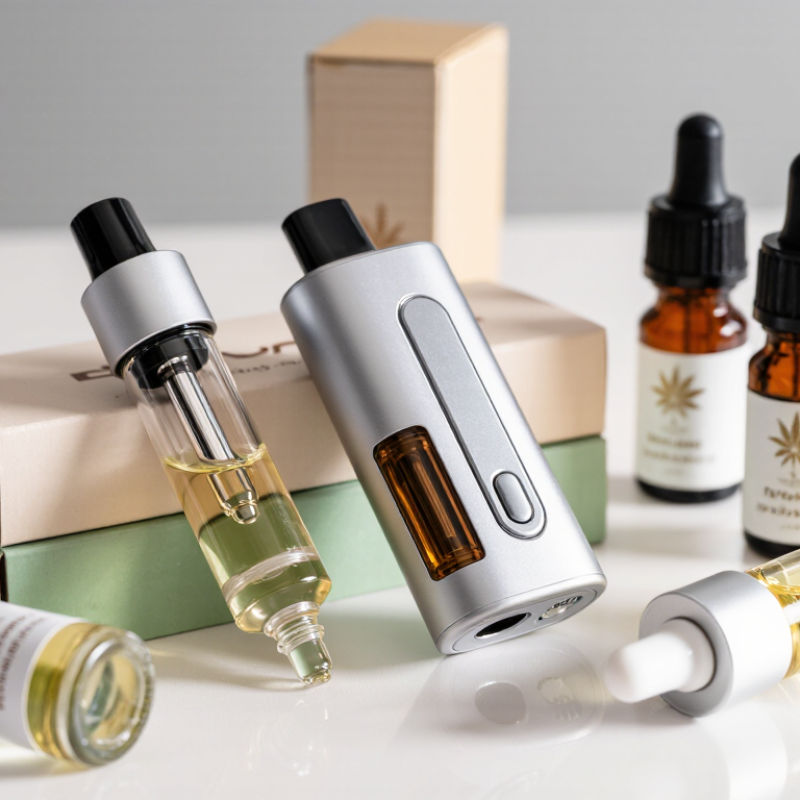
CBD vape products are liquids or oils containing cannabidiol, usually sold in prefilled cartridges, disposable devices, or refillable formats. A battery-powered device heats the liquid into an aerosol, which users inhale. The format is compact and acts quickly, helping explain its appeal. Small device. Yet product labels can be difficult to compare: CBD concentration, carrier ingredients, and testing methods vary.
Grand View Research estimated the global CBD vape oil market at about $1.1 billion in 2022 and forecast continued growth through 2030. That figure describes market activity, not proven health benefits or product quality. Buyers should look for clear ingredient lists and independent laboratory results showing CBD content and screening for contaminants. Check the device instructions, too; unfamiliar liquids should not be added to a cartridge.
The evidence has limits. The U.S. Food and Drug Administration says many questions about CBD safety remain, including possible drug interactions and liver effects. Inhaling a product also brings its own uncertainties, and long-term research on CBD vaping is limited. A pleasant flavor or smooth draw is not proof of safety. Rules and product standards differ by location, so check local requirements and consult a qualified health professional before use, especially when taking medication.
How CBD Vaping Differs From Other CBD Formats
CBD vaping differs from oils, capsules, and edibles mainly in delivery and routine. A small device can be used without measuring drops or carrying a bottle. Inhaled CBD is absorbed through the lungs, while oral products pass through digestion, so onset and duration may differ. Individual responses vary. The difference is practical. A 2024 Grand View Research report estimated the global cannabidiol market at US$7.71 billion in 2023, but that figure covers multiple product formats, not vape products alone. It signals broad market growth, not proof that vaping is better or more effective.
The format also deserves closer scrutiny. A labeled ingredient list and a recent, independent laboratory certificate can help buyers check CBD content and screen for unwanted substances. Look for details that match the product batch. Still, paperwork does not make inhalation risk-free. Aerosol ingredients may irritate the lungs, and product quality can vary. A sealed cartridge and a neat label may look reassuring, but appearance cannot confirm purity. That matters. Buyers comparing formats should weigh portability against ingredient transparency and personal comfort, rather than assuming a faster-feeling route is automatically the right choice.
Why Are CBD Vape Products Popular With Buyers?
How CBD vaping differs from other CBD formats: inhaled CBD is generally reported to take effect sooner than sublingual oils or oral products.
Approximate commonly reported onset estimates: vaping, 1–5 minutes; sublingual oil, 15–45 minutes; oral products, 30–120 minutes. Actual timing varies with the product, dose, and individual. Faster onset may appeal to some buyers, but inhaling vapor can carry health risks and is not risk-free.
Which Product Features Attract Buyers
Buyers often notice practical details before flavor claims. A compact device fits a pocket; a clear ingredient list is easier to assess than vague “natural” language. Consistent airflow, a secure mouthpiece, and a cartridge that resists leaking can make everyday use less frustrating. Small things matter. So does transparent batch testing: a recent certificate of analysis should identify the product and show cannabinoid levels and contaminant screening. It cannot guarantee a risk-free product, but it gives buyers something concrete to check.
Market size is useful context, not proof of what shoppers prefer. Grand View Research estimated the global CBD market at US$7.71 billion in 2023 and projected continued growth. That figure covers many product types, so it should not be read as evidence that vaping is the leading choice. For vape products, buyers may also weigh straightforward dosing information, dependable hardware, and restrained flavoring against uncertainty about ingredients and inhalation. The last point deserves care: “smooth” does not mean harmless. A polished package can help a product stand out, but it cannot replace independent testing or clear use instructions. I would not treat attractive design as a safety signal.
How Product Variety and Availability Shape Buyer Interest
CBD vape products attract some buyers because the category offers choices in flavor, device style, and labeled CBD concentration. A small, ready-to-use cartridge may seem convenient for travel, while a refillable device gives users more control over setup. Availability also shapes interest: a nearby retailer can make comparison easier, but online listings may show more formats. More choice is not always better. Product descriptions can be confusing, and similar labels do not guarantee similar contents.
Careful buyers look beyond flavor and price. They check ingredient lists, serving information, and recent independent laboratory reports that identify CBD levels and screen for contaminants. Packaging should match the report, and the device should be compatible with its contents. These details are easy to overlook when product pages emphasize convenience.
That’s a real weakness in how people shop. Availability does not prove quality, and CBD products may affect people differently. Vaping can irritate the lungs and is not risk-free. Anyone with a health condition, taking medication, or unsure about inhaled products should seek advice from a qualified health professional before use.
What Buyers Consider Before Choosing a CBD Vape Product
When choosing a CBD vape product, buyers often compare ingredient lists, independent lab results, and the amount of CBD per serving. Small details matter. A clear certificate of analysis should match the product’s batch and report cannabinoid levels and contaminant screening. Grand View Research estimated the global CBD market at about $7.7 billion in 2023; this figure covers CBD products broadly, not vape products alone. It signals market growth, but says nothing about a particular item’s quality.
Read the label closely. Look for a full ingredient list, clear serving guidance, and a batch-specific lab report that is easy to verify. Avoid products with vague “proprietary” blends or unsupported health promises. Check the device, too: a leaky cartridge or unclear instructions can make dosing less predictable. The U.S. Food and Drug Administration notes that CBD may cause side effects and interact with medicines, so buyers taking medication should ask a healthcare professional before use. Lab testing helps, but it is not a guarantee. Even careful shoppers may find product labels difficult to compare.