China Top 10 Jack Hammer Suppliers for Global Buyers
China has become a major sourcing base for construction and mining equipment. Its supplier network includes factories, trading companies, and specialized tool manufacturers. Global Market Insights’ 2024 Pneumatic Tools Market report identifies construction, mining, and infrastructure maintenance as important demand sectors. These applications commonly require a durable Jack Hammer, stable impact performance, and manageable air consumption.
Market forecasts provide useful direction, but they cannot verify an individual supplier. That limitation matters. A company may display impressive production figures without showing recent test records. This guide examines China’s top 10 Jack Hammer suppliers through practical purchasing criteria. These criteria include manufacturing experience, impact frequency, air consumption, shank compatibility, quality systems, export history, and after-sales support. ISO 11148 standards also offer a useful reference for evaluating handheld non-electric power tools. Buyers should still request current certificates and product-specific test documents.
Details matter. A reliable supplier should explain whether its tool fits a 3/4-inch or 1-inch hose. It should state the recommended operating pressure clearly. Product weight also affects worker fatigue during long demolition shifts. Warranty terms, spare-parts availability, packaging quality, and response time deserve equal attention. No supplier is perfect. Even an established factory may have inconsistent batches or slower communication during peak seasons. Therefore, this overview is not a blind ranking. It is a structured starting point for global buyers seeking dependable Chinese Jack Hammer suppliers, realistic specifications, and fewer costly surprises. Data should guide the shortlist, while samples and documented inspections should influence the final decision.
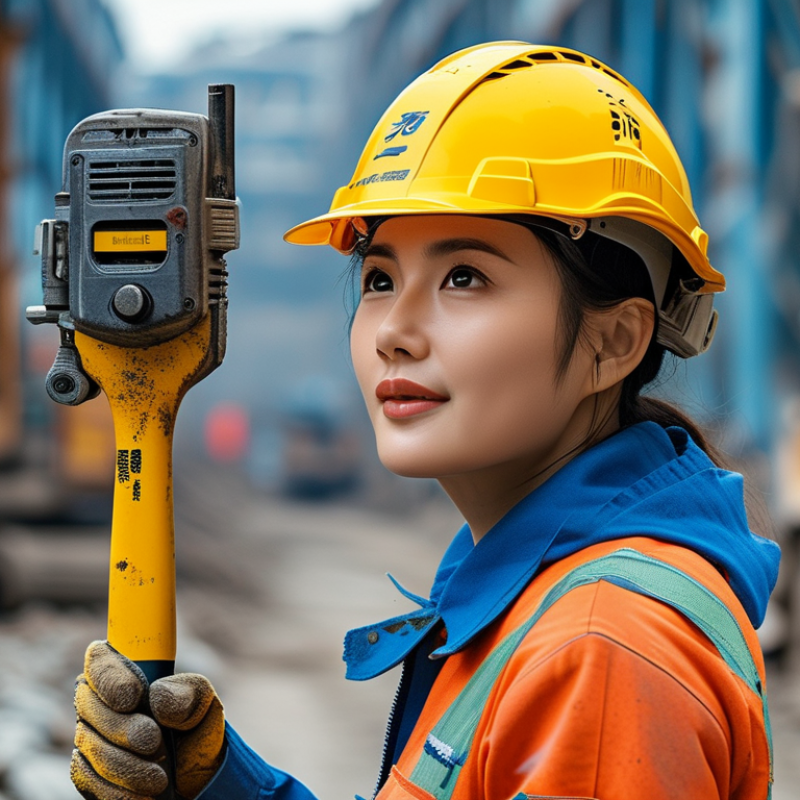
What Defines a Reliable Jack Hammer Supplier in China
China Top 10 Jack Hammer Suppliers for Global Buyers
What Defines a Reliable Jack Hammer Supplier in China
A reliable jack hammer supplier proves performance before discussing price. Experienced buyers should request material specifications, production photos, and recent test records. Details matter. The supplier should explain piston design, impact frequency, operating pressure, and compatible spare parts clearly. Vague answers often signal weak technical control.
Factory verification adds practical confidence. Check machining equipment, heat-treatment records, assembly areas, and quality inspection procedures. Ask for a sample test using realistic rock conditions, not only a clean workshop demonstration. Test the tool. Measure vibration, noise, oil leakage, and impact consistency after continuous operation. A dependable supplier also provides manuals, maintenance schedules, and documented warranty terms.
Export experience is useful, but it should not replace evidence. The supplier must understand packaging, customs documents, electrical or hydraulic requirements, and applicable safety standards in the destination market. Communication speed matters when a breaker stops on a jobsite. Still, fast replies do not guarantee good engineering. One honest weakness is acceptable if the supplier explains how it is being corrected. A polished factory tour can hide inconsistent subcontracting, so buyers should verify production continuity and spare-part availability. Promises are cheap. Trackable records are stronger.
Key Factors for Evaluating Chinese Jack Hammer Manufacturers
Choosing among China’s top jack hammer suppliers requires more than comparing prices or catalog photos. A reliable manufacturer should provide measured impact energy, blow frequency, air consumption, shank dimensions, and vibration results. ISO 28927-10 specifies methods for testing vibration in percussive hand-held tools. Ask for laboratory reports, not marketing claims. A factory video proves little.
Noise and vibration deserve serious attention. OSHA’s occupational noise standard uses 90 dBA as the permissible eight-hour time-weighted average. Under EU Directive 2002/44/EC, the hand-arm vibration action value is 2.5 m/s² A(8), while the exposure limit is 5 m/s² A(8). These figures help buyers compare models objectively. Request test conditions, because different rock hardness and operator grip can change results. The numbers may still be imperfect.
Production quality is equally important. Inspect heat treatment records, piston tolerances, cylinder finish, and seal consistency. Ask whether critical parts are traceable by batch. A practical factory audit should include endurance testing under load, not only idle operation. Check spare-part availability, warranty response time, packaging protection, and technical support in your target market. A low quotation can hide higher downtime costs. According to a 2024 Grand View Research construction equipment market analysis, global demand continues to expand at a mid-single-digit annual rate, increasing pressure on suppliers to deliver consistent equipment. I would test at least two samples. One good unit can mislead.
China’s Top 10 Jack Hammer Suppliers for Global Buyers
China’s top 10 jack hammer suppliers for global buyers represent a wide range of pneumatic, electric, and hydraulic equipment. Their products serve construction, mining, road repair, and controlled demolition projects. Buyers should compare impact energy, operating pressure, weight, vibration levels, and compatible shank sizes. These details affect both productivity and operator comfort.
A reliable supplier should provide clear technical drawings, inspection records, and practical application guidance. Ask for test results under realistic working conditions, not only laboratory figures. Factory audits can reveal assembly quality, spare-parts storage, and production consistency. Useful evidence includes ISO-based quality procedures, material certificates, and traceable batch records. Warranty terms must cover more than the first shipment.
Service quality often separates the strongest suppliers from ordinary exporters. Confirm response times, maintenance instructions, replacement seals, hoses, and delivery options. Check whether the supplier understands your local electrical, noise, and safety requirements. Standards vary by market. Do not assume one certificate works everywhere. Some product descriptions may also sound stronger than actual field performance. A small trial order is wiser than a large commitment. Even experienced buyers can overlook training support, packaging damage, or seasonal shipping delays. These weaknesses deserve careful questions before signing a supply agreement.
Product Types, Specifications, and Industry Applications
China Top 10 Jack Hammer Suppliers for Global Buyers
Product Types, Specifications, and Industry Applications
Jack hammers differ by power source, impact energy, and working environment. Pneumatic models suit continuous concrete breaking when a reliable air compressor is available. Hydraulic hammers deliver higher force for excavators, road construction, and quarry work. Electric units are easier to move indoors, but their duty cycles may be more limited. Important specifications include impact frequency, impact energy, tool shank size, operating weight, air pressure, and hydraulic flow. Noise and vibration levels also deserve attention, especially during long shifts. A supplier’s test records, spare-parts support, and inspection process can reveal more than a polished catalog.
Applications shape the correct choice. Lightweight hammers work well for tile removal, masonry repair, and narrow renovation areas. Medium models handle sidewalks, foundations, and general concrete demolition. Heavy-duty equipment is better suited to reinforced concrete, asphalt, and quarry surfaces. One common purchasing mistake is choosing maximum impact power without checking compressor capacity or carrier compatibility. That decision can reduce productivity. Sometimes, more power creates more fatigue, not better results.
Tips: Ask for real performance data under load. Confirm shank dimensions before ordering. Request vibration information and maintenance intervals. Check whether replacement seals, hoses, and bits are available locally. A supplier comparison should include warranty terms, packaging quality, and pre-shipment inspection. Specifications can look convincing, yet field conditions often expose small mismatches. Take measurements twice.
China Jack Hammer Product Landscape for Global Buyers
The chart compares representative impact energy levels across ten commonly traded jack hammer categories. Values are indicative midpoints of typical industry specifications and are intended for product screening rather than supplier-specific performance claims. Higher impact energy is generally associated with heavier demolition, quarrying, foundation, and infrastructure applications.