What Makes Hdpe Cutting Board Material the Best Choice for You?
When choosing a cutting board, the material plays a crucial role in hygiene and durability. Among various options, the Hdpe Cutting Board Material stands out as a top choice. According to a report by the National Sanitation Foundation, HDPE has a natural resistance to bacteria, making it ideal for food preparation. Chef Mark Robinson, a renowned culinary expert, emphasizes this: "Hdpe cutting board material is essential for any kitchen focused on safety and cleanliness."
Many chefs and home cooks prefer HDPE for its robustness. It can withstand heavy use without warping or cracking. Additionally, HDPE boards are dishwasher safe, ensuring easy cleaning and maintenance. However, some may argue that wood cutting boards offer aesthetic appeal, raising questions about functionality versus style. This trade-off can prompt deeper reflections on kitchen needs.
Despite its advantages, consumers should consider factors like price and availability. While HDPE cutting boards can be slightly pricier than traditional options, their longevity and hygiene benefits often outweigh these costs. Thus, investing in HDPE material could be a smart choice for those who prioritize food safety and efficiency in the kitchen.
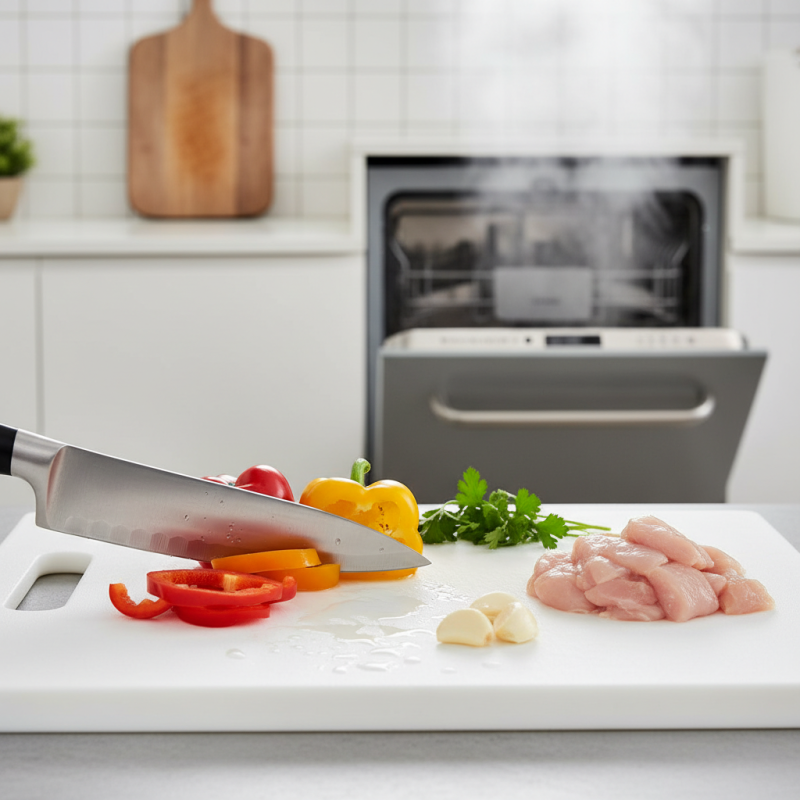
Benefits of HDPE Cutting Boards in Food Safety and Hygiene Standards
When it comes to food safety and hygiene, HDPE cutting boards stand out. Made from high-density polyethylene, these boards are non-porous. This feature prevents bacteria from penetrating the surface. In a kitchen, cleanliness is vital. Using HDPE reduces the risk of cross-contamination significantly.
One key advantage is their easy-to-clean nature. Simply throwing them in the dishwasher can cut down bacteria levels. Unlike wood or bamboo, HDPE doesn't retain moisture, which helps in keeping your food safe. They resist stains and odors, making it a practical choice for busy kitchens.
However, it’s important to maintain them properly. While they are durable, scratches can develop over time, potentially harboring bacteria. Regular inspection is needed to ensure their longevity. It's essential to replace them when they become too worn. Ultimately, an HDPE cutting board could be your best ally in maintaining food safety, but awareness of its care is crucial.
Durability and Longevity of HDPE Compared to Other Materials
When it comes to cutting boards, durability and longevity are paramount. HDPE, or High-Density Polyethylene, stands out as a preferred choice. Unlike wood or bamboo, HDPE resists scratches and dents far better. This plastic material does not harbor bacteria, making it safe for food preparation.
The lifespan of an HDPE cutting board is impressive. While wooden boards can warp or crack over time, HDPE maintains its shape and integrity. It's also lightweight, making it easy to handle and clean. However, some might find it less aesthetically pleasing than wood. This could be a drawback for those who value kitchen aesthetics.
Despite its many advantages, there are areas for reflection. HDPE can sometimes dull knives faster than softer materials. In addition, not all HDPE boards are created equal. Some may not withstand the test of time as effectively as others. Potential buyers should always seek out reliable sources when considering their options.
Impact of HDPE on Knife Blade Maintenance and Sharpness
When considering cutting board materials, HDPE stands out for its benefits to knife blades. HDPE, or high-density polyethylene, is gentle on knives. It offers a surface that minimizes dulling, ensuring longevity. Unlike harder materials, HDPE provides a forgiving touch. This means your knives maintain their sharpness longer, giving you a better cutting experience.
Tips for maintaining knife sharpness on HDPE: Clean your HDPE board regularly. Food particles can affect blade performance. Store your knives properly, too. Keep them in a block or magnetic strip, away from any rough edges. This reduces the chance of dulling and damage.
HDPE boards can be scratched, though. Avoid using metallic utensils on them. Scratches can harbor bacteria, which compromises hygiene. Regularly sand down your HDPE board if you notice deep cuts. This helps retain a clean, smooth surface for food preparation.
Environmental Considerations: Sustainability of HDPE Cutting Boards
When considering sustainability, HDPE cutting boards stand out. They are made from high-density polyethylene, a plastic that is recyclable. Reports show that HDPE has a recycling rate of around 30% in the industry. This means that a significant portion of these boards can be repurposed, reducing waste in landfills.
The production of HDPE cutting boards consumes less energy compared to wood alternatives. According to research by the American Chemical Council, HDPE production results in a 50% lower carbon footprint compared to wood. This aspect highlights their environmental benefits.
However, there are challenges. The longevity of HDPE boards is a double-edged sword. While they can last many years, this durability can lead to complacency regarding recycling. Consumers may hold onto them longer than necessary, which could undermine their sustainability benefits. Moreover, not all recycling facilities accept HDPE, limiting its circular economy potential. It's crucial for consumers to be informed about local recycling options to maximize the environmental advantages of these products.
Cost-Effectiveness of HDPE Cutting Boards for Home and Professional Use
HDPE cutting boards stand out for their cost-effectiveness in both home kitchens and professional environments. These boards are affordable when compared to other materials like wood or glass. Consumers often find that while the upfront cost is lower, the durability of HDPE makes it a long-term investment. They resist deep cuts and scratches, ensuring that replacements are needed less frequently.
For home cooks and chefs, this affordability is crucial. Many professionals operate within tight budgets. The low maintenance of HDPE boards allows users to focus on food prep rather than cleaning and replacing equipment. Additionally, these boards can withstand high temperatures, making them versatile for various culinary tasks.
While HDPE shows many benefits, it’s important to reflect on personal needs. Some may find these boards slippery when wet, so testing is recommended. Choosing the right cutting board involves balancing cost and functionality. Understanding these nuances can help buyers select the best option for their kitchen.
What Makes HDPE Cutting Board Material the Best Choice for You? - Cost-Effectiveness of HDPE Cutting Boards for Home and Professional Use
| Feature | Home Use | Professional Use | Cost ($) |
| Durability | High | Very High | 30-50 |
| Maintenance | Easy | Minimal | N/A |
| Non-Toxic | Yes | Yes | N/A |
| Surface Resistance | Scratch Resistant | Highly Scratch Resistant | N/A |
| Average Lifespan (Years) | 5-10 | 10-20 | N/A |
| Color Options | Variety | Customizable | N/A |