Granite Counter Tops Tips for Choosing the Perfect Style?
Choosing the right Granite Counter Tops can significantly enhance your kitchen or bathroom's aesthetic. These surfaces offer durability and beauty, making them a popular choice for homeowners. However, with so many options available, selecting the ideal style can feel overwhelming.
When contemplating Granite Counter Tops, think about the colors and patterns that suit your personal taste. Consider how they will complement your cabinetry and flooring. Many find it helpful to look at samples in different lighting conditions. This process can reveal unexpected insights about the stone's appearance.
It's crucial to weigh the practical aspects, such as maintenance and longevity. Granite Counter Tops require sealing to prevent stains, which can be a drawback for some. Reflect on your lifestyle and the amount of care you can commit. This decision should ideally blend functionality with visual appeal, ensuring your choice is not only stylish but also sustainable in the long run.
Types of Granite Countertops: Understanding Material Variations
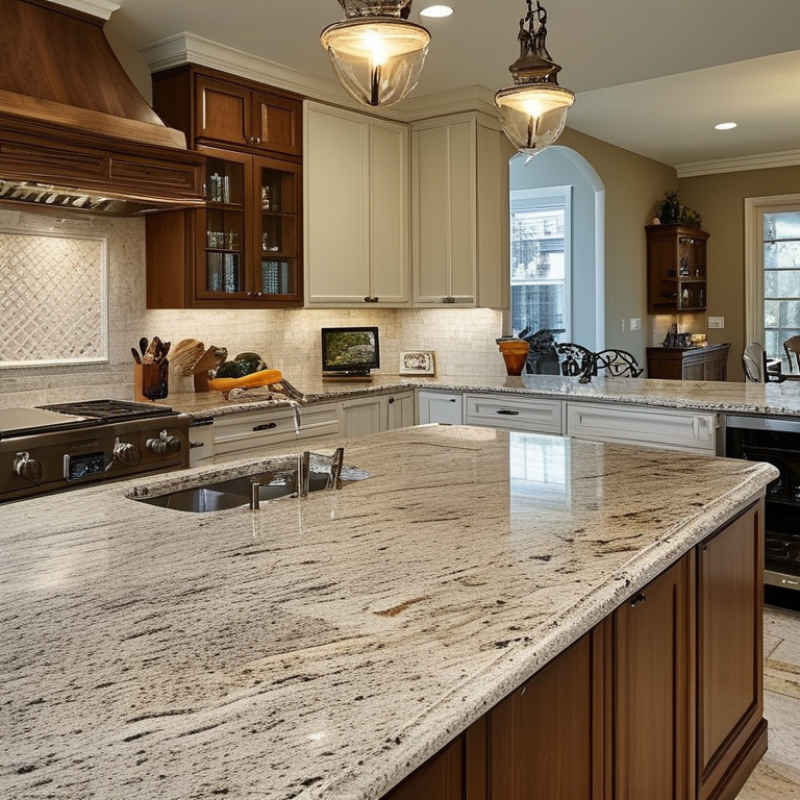
When selecting granite countertops, understanding the variations in materials is crucial. Granite comes in different colors, patterns, and finishes, making each slab unique. A recent industry report highlights that over 70% of homeowners prefer natural stone for its durability and aesthetic appeal. However, not all granite is created equal. Some slabs have higher quartz content, enhancing strength and resistance to scratches.
Pay attention to the finish. Polished granite has a shiny surface, reflecting light and enhancing colors. On the other hand, honed granite offers a matte finish, which might feel softer but can be more susceptible to stains. Depending on your kitchen's lighting and décor, the right finish can significantly impact the overall ambiance.
Consider functionality as well. Certain granite types are better for high-traffic areas, while others suit lighter-use spaces. Discuss your usage needs with a professional. They can guide you toward the right granite selection that balances beauty and practicality. Selecting the perfect countertop isn't just about looks; it's about making an informed choice that complements your lifestyle.
Granite Counter Tops Tips for Choosing the Perfect Style
| Granite Type |
Color Variations |
Pattern |
Durability |
Maintenance |
| Black Granite |
Solid Black |
Uniform |
High |
Low |
| White Granite |
White with Gray and Brown |
Speckled |
High |
Medium |
| Brown Granite |
Dark Brown to Light Beige |
Veined |
Medium |
Low |
| Red Granite |
Deep Red and Variants |
Swirled |
High |
Medium |
| Blue Granite |
Steel Blue, Azure |
Dotted |
High |
High |
Choosing the Right Color: How to Match Your Decor Style
When selecting granite countertops, color is crucial to harmonize with your overall decor style. According to a report by the National Kitchen and Bath Association, 60% of homeowners prioritize color selection before making a purchase. Choosing a tone that complements your cabinets and walls can create a seamless look. For instance, if your kitchen has warm wood tones, opting for a beige or cream-colored granite can enhance warmth and cohesion.
The psychology of color also plays a significant role in your choice. Light colors can make a small space feel larger, while darker hues provide a dramatic flair. Data shows that kitchens with white or light granite options have had a resale value increase of up to 20%. However, remember that not every shade will work perfectly; the natural variations in granite may lead to unexpected contrasts. Research indicates that 25% of homeowners regret not considering the long-term aesthetics of their chosen color.
It’s essential to test samples in your actual space. Lighting affects how colors appear, and a swatch looks different in-store versus in your kitchen. Taking the time to observe how the light interacts with the surface can lead to better choices. Many admit to overlooking this aspect, resulting in dissatisfaction later. Embrace the process and explore a range of shades to find the one that truly resonates with your vision.
Finishes and Textures: Selecting the Perfect Surface Treatment
Choosing the right surface treatment for granite countertops is crucial. Finishes and textures can drastically change the look and feel of your kitchen. Polished granite is popular for its glossy surface, reflecting light beautifully. However, it may show fingerprints and smudges easily. Matte finishes, on the other hand, provide a more understated elegance. They are less prone to showing wear but can be harder to clean.
Consider your lifestyle when selecting a finish. If you have kids or host frequent gatherings, a honed finish might be a safer choice. It offers grip and reduces the risk of slipping. Additionally, textures like leathered or flamed surfaces add depth and uniqueness to your countertops. Yet, these options may retain dirt more than a polished finish. Regular maintenance is key to preserving their beauty.
Don’t forget about color. Dark colors can hide stains, while light shades can brighten a smaller space. However, darker surfaces may show scratches more readily. Take time to reflect on what suits your preferences and needs. The perfect granite finish not only enhances the visual appeal but also aligns with your daily life. Take your time; it’s a significant decision.
Maintenance and Care: Ensuring Longevity of Your Granite Countertops
Granite countertops are a popular choice for many homes due to their durability and aesthetic appeal. To ensure they last, proper maintenance is crucial. Regular cleaning with mild soap and warm water helps to keep the surface pristine. Avoid using acidic cleaners as they can dull the finish over time. A simple, soft cloth works well for daily wipe-downs, making upkeep easy.
For longevity, always use coasters and cutting boards. Heat can damage the surface. Placing hot pans directly on granite may lead to cracks. Sealing the granite is necessary, ideally once a year. This step protects against staining and enhances its shine. If you notice discoloration, it's a sign that resealing is needed.
Consider rearranging your kitchen workflow to minimize wear. Creating designated areas for food prep can also reduce damage to the countertops. Reflect on your habits. Small changes can help maintain the beauty of your granite surfaces. While granite is strong, it's not invincible. Regular attention will keep it functional and attractive for years to come.
Budget Considerations: Finding the Best Value for Your Investment
When considering granite countertops, budget is a critical factor. In recent studies, it’s reported that homeowners often underestimate installation costs. While the average price of granite ranges from $40 to $100 per square foot, hidden expenses can quickly add up. Installation fees can be anywhere from $30 to $50 per square foot. It’s essential to create a comprehensive budget that includes materials and labor.
Quality varies significantly in the granite market. Some sources suggest that investing in mid-range materials often yields the best long-term value. A 2021 industry report indicated that high-quality granite can enhance a home's resale value by up to 20%. Cheaper options might seem appealing initially, but they could lead to issues, such as increased maintenance costs over time. This often overlooked expense can burden homeowners financially.
Choosing the right style is equally important. Aesthetic preferences can differ widely. Trends shift, and what seems appealing today might not resonate in a few years. A diverse selection is advantageous, but overextending your budget on a trendy design can lead to regret. Ultimately, finding a balance between style and cost is key. Recognizing the long-term implications of your choices will help you make informed decisions that reflect your unique tastes while staying within budget.