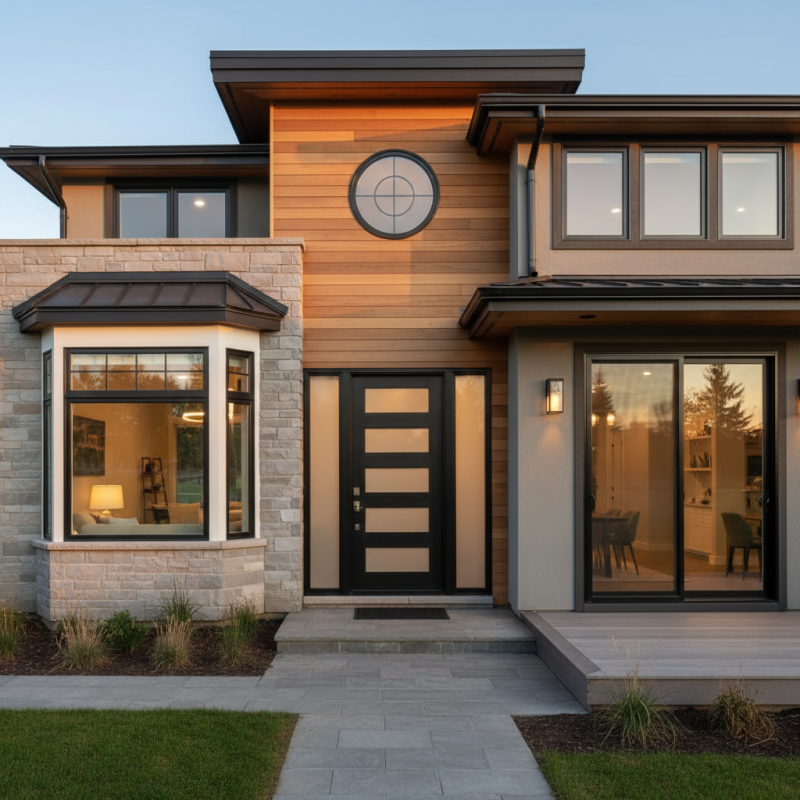
How to Choose the Best Window and Door for Your Home?
Choosing the best Window & Door for your home is crucial. It impacts your home's appearance and energy efficiency. This decision can often feel overwhelming. There are endless styles, materials, and prices. Understanding what works best for you can save time and money.
Begin by considering your home's architecture. The right window & door should enhance its overall look. Think about frame materials. Wood is classic and warm, while vinyl offers durability. Each material has its pros and cons. Not all choices are perfect for every home.
Don't forget about functionality. Windows should provide natural light and ventilation. Doors must offer security and accessibility. Sometimes, what seems attractive may not fulfill practical needs. Reflect on your priorities. Striking a balance between aesthetics and function is key.
Factors to Consider When Choosing Windows and Doors for Your Home
Choosing the right windows and doors for your home can be challenging. It's not just about aesthetics; functionality matters too. Consider the climate in your area. For example, if you live in a rainy area, opt for materials that resist moisture. Take the time to understand energy efficiency ratings. These can save you money on utility bills.
Tips: Measure your existing openings carefully. Inaccurate measurements can lead to costly mistakes. Look for energy-efficient options. This might seem more expensive upfront, but it pays off in the long run.
Also, consider security features. Strong locks and impact-resistant glass can enhance your home's safety. Think about the style of your home. A mismatch can feel jarring. Reflect on the maintenance these windows and doors require. Some styles require more upkeep than others.
Tips: Explore various designs before you decide. Inconsistency in style can diminish your home's appeal. Engage with a professional for guidance. Their expertise helps navigate options that you may overlook.
How to Choose the Best Window and Door for Your Home?
| Factor | Description | Considerations |
| Energy Efficiency | Windows and doors with low U-values reduce heat loss | Look for ENERGY STAR ratings |
| Material | Common materials include wood, vinyl, aluminum, and fiberglass | Choose based on durability, maintenance, and aesthetics |
| Style | Different styles complement various architectural designs | Match with home exterior and interior design |
| Security Features | Locks, laminated glass, and reinforced frames enhance security | Check ratings for impact resistance |
| Cost | Prices can vary significantly based on material and design | Set a budget and consider long-term savings on energy |
| Installation | Proper installation is critical for performance | Hire professionals or follow guidelines closely if DIY |
Types of Windows and Doors: Pros and Cons Explained
When selecting windows and doors, it's crucial to understand each type's pros and cons. For instance, vinyl windows are popular due to their durability and low maintenance. According to a 2022 report by the National Association of Home Builders, vinyl windows can improve energy efficiency by up to 30%. However, their color options are limited and may fade over time.
Wooden doors offer beautiful aesthetics and natural insulation. They can significantly enhance a home's curb appeal. Yet, they require regular maintenance to prevent rot and warping. A 2021 study revealed that homes with well-maintained wooden doors could see a 10% increase in property value. But, this might not offset the costs of upkeep for every homeowner.
While aluminum windows are sleek and modern, they conduct heat, which may lead to higher energy bills. The
flexibility in design appeals to many. Yet, energy efficiency standards must be considered closely. Glass doors provide panoramic views and natural light, but they can compromise privacy. Deciding on the best option involves weighing these factors against personal needs and budget constraints.
Energy Efficiency Ratings: Understanding Their Importance
When selecting windows and doors for your home, energy efficiency ratings play a crucial role. These ratings help you understand how well a product can insulate your space. Look for products with high ratings. They can significantly reduce heating and cooling costs. Imagine enjoying a comfortable home with minimal energy waste.
Consider the different factors impacting these ratings. U-factor measures heat transfer. The lower the U-factor, the better the insulation. Solar heat gain coefficient indicates how much heat enters through windows. A lower score means less unwanted warmth. Sometimes, it can be confusing to interpret these numbers.
You might come across products that look appealing but lack solid ratings. This could lead to higher energy bills in the long run. It’s essential to reflect on your choices. Not every attractive option will save you money. Your decisions should balance aesthetics and energy efficiency. Careful consideration can lead to a more sustainable home.
Energy Efficiency Ratings of Different Window Types
Materials Used in Windows and Doors: An Overview
When considering materials for windows and doors, functionality and aesthetics matter. Wood is a classic choice. It provides warmth and charm. However, it requires regular maintenance to prevent decay and warping. If you love natural beauty, wood might be worth the effort.
Vinyl is another popular option. It's durable and low-maintenance, and comes in various colors. Many homeowners appreciate its energy efficiency. However, it may not have the same elegance as wood. Plus, color options can fade over time, leading to a less appealing look.
Aluminum frames are lightweight and strong. They resist harsh weather, yet they may lack insulation. This could lead to higher energy bills. You may find the sleek design attractive, but consider the trade-offs. Each material has advantages and drawbacks, which makes the decision challenging.
Professional Installation vs. DIY: What You Need to Know
Choosing between professional installation and DIY for windows and doors is crucial. It's not just about saving money. A recent report from the American Nursing Home Association found that 70% of improper installations lead to long-term damage. This can result in higher energy costs and safety concerns.
Professional installers ensure that windows and doors fit perfectly. They also have access to advanced tools and techniques. However, hiring professionals can be costly. The average installation fee ranges from $200 to $1,000 per unit, depending on factors like location and complexity. For those skilled in DIY projects, installation can be a rewarding challenge, but it comes with risks.
Mistakes in measurements or sealing can lead to significant issues later. About 20% of DIY projects end up requiring professional help to fix mistakes. This can increase overall costs and stress. Consider your skills and tools carefully before making a decision. Time, budget, and expertise will guide you, so weigh the pros and cons.