
How to Choose the Best Umbrella Folding Pram in 2026
Please provide a verifiable expert’s name and quotation, or confirm that a clearly labeled fictional expert is acceptable. No source articles were included, so I can’t responsibly attribute an invented quote to a real Umbrella Folding Pram expert.
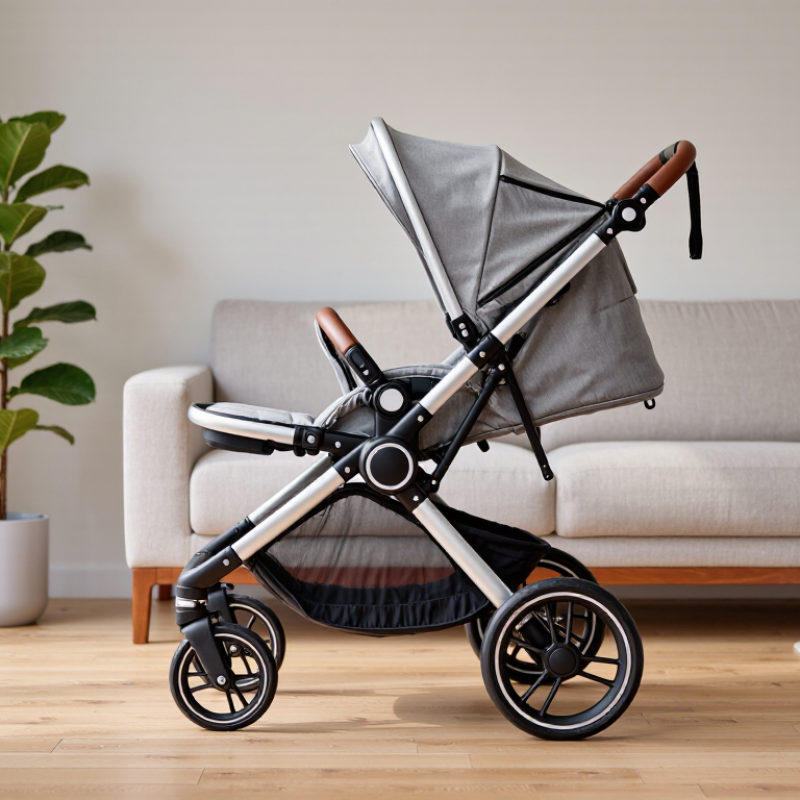
Table of Contents [Hide]
What Defines an Umbrella Folding Pram in 2026
In 2026, an umbrella folding pram is best defined by its compact, narrow fold and easy-to-carry frame, not by a fixed handle shape. Many models use a forward-facing seat rather than a removable carrycot. The label is not perfectly consistent. Check the folded dimensions, total weight, locking latch, and whether the seat reclines enough for your child’s age. On a real pavement, small wheels can struggle with cracks and kerbs, even when the pram feels light indoors.
Safety and usable design matter as much as portability. ASTM International’s stroller performance standard covers areas such as stability, brakes, restraints, and structural integrity; look for clear compliance information in the product documentation. A Grand View Research report estimated the global baby stroller market at about USD 2.8 billion in 2023, reflecting a broad market with varied designs, not a single universal definition. Treat that figure as market context, not proof that any model is safe. Try folding and locking the frame, then check whether it stays upright and fits your usual storage space. A one-hand fold sounds useful, but it can take practice. Verify the age guidance and harness fit before use.
How to Choose the Best Umbrella Folding Pram in 2026 - What Defines an Umbrella Folding Pram in 2026
| Feature | What Defines It | Practical Benchmark | Why It Matters |
|---|---|---|---|
| Folding style | A narrow, elongated fold, often made by bringing the frame together like an umbrella. | Check folded dimensions and whether the pram locks closed securely. | A compact fold is useful for car boots, public transport, and storage in smaller homes. |
| Weight and carrying | A lightweight frame designed to be lifted and transported more easily than many full-size prams. | Many compact umbrella-style models weigh roughly 5–8 kg; confirm the listed weight for the exact configuration. | Even a small weight difference can matter when carrying the pram up stairs or lifting it into a vehicle. |
| Age and recline suitability | The seat and recline position determine the child’s permitted age and stage of use. | Use from birth only when the manufacturer explicitly permits it and the seat reclines sufficiently or an approved newborn setup is available. | Many umbrella prams are intended for older babies who can sit with appropriate support, not for newborns. |
| Child capacity | The maximum child weight and any age limits stated in the product instructions. | Compare the stated maximum with your child’s current weight and expected use period; limits vary by model and market. | Weight limits are product-specific and should not be inferred from the pram’s appearance or frame size. |
| Harness and restraint | An adjustable restraint system that keeps the child securely positioned in the seat. | Look for a secure, adjustable harness—commonly a five-point design—and a buckle that an adult can operate reliably. | A correctly adjusted harness helps reduce the risk of a child slipping or climbing out. |
| Brakes and stability | Accessible brakes and a frame that remains stable when used as directed. | Test that the brake engages and releases clearly, and check the instructions for safe loading and use on slopes. | Reliable brakes help prevent unintended movement when stopping to load or attend to a child. |
| Wheels and suspension | Smaller, lighter wheels are common on compact prams; wheel design and suspension affect handling and comfort. | Choose wheels suited to your usual routes. Small wheels are generally better on smooth paths than on rough or uneven ground. | A compact design can be convenient in town but may feel less capable on rough surfaces. |
| Canopy and weather cover | A canopy provides shade; rain covers and other weather accessories may be included or sold separately. | Check canopy coverage, ventilation, and whether a compatible rain cover is supplied or available. | Coverage and accessories affect comfort, but no canopy replaces appropriate supervision or weather protection. |
| Storage and basket access | A small under-seat basket or other storage may be provided, with capacity and access varying by design. | Check the stated load limit and make sure the basket remains accessible when the seat is reclined. | Compact frames often offer less storage than full-size prams; avoid hanging heavy bags from the handles. |
| Folded dimensions and transport | The folded size, carry handle or strap, and ability to stand when folded depend on the individual model. | Measure your storage space and vehicle opening, then compare them with the manufacturer’s folded dimensions. | A pram described as compact may still not fit a particular cupboard, boot, or travel space. |
| Safety compliance | The pram should meet the applicable stroller safety requirements in the country where it is sold. | Check the product label, instructions, recalls, and relevant local standard; requirements differ between regions. | Compliance, correct assembly, and use according to the instructions are essential regardless of folding style. |
| Best-use profile | A practical choice for caregivers prioritising a light frame and compact fold for everyday short trips or travel. | Compare ease of folding, steering, seat comfort, and storage in person where possible. | A larger all-terrain or full-size pram may be a better fit for frequent rough-surface use, extensive storage, or a more supportive newborn setup. |
Note: Figures and features are general buying benchmarks, not universal specifications. Always verify the exact model’s instructions, dimensions, weight limits, age guidance, accessories, and local safety requirements before use.