How to Choose the Best PVC Marble Sheet for Your Project?
Choosing the right PVC Marble Sheet begins with more than matching a veined pattern to a mood board. It means checking thickness, surface finish, core consistency, and the installation conditions behind the sample. Grand View Research estimated the global polyvinyl chloride market at about USD 70.2 billion in 2023, with projected growth from 2024 to 2030. This figure covers PVC broadly, not marble-look sheets alone. That distinction matters: a large materials market does not prove that every decorative panel performs well in a kitchen, bathroom, or commercial space.
Small details matter. Ask suppliers for product specifications, test documentation, cleaning guidance, and clear installation instructions. Compare samples under the room’s actual lighting; a cool gray vein can look blue beside warm LEDs. Check edges and corners, too. A glossy sample may hide surface defects that become obvious across a full wall. Looks can mislead. Measure twice.
This guide will help readers compare appearance, durability, maintenance, and total project cost before ordering. It will also consider an imperfect reality: product claims and sample boards cannot replace careful inspection of the delivered sheets. Grand View Research is useful for market context, but it does not identify a PVC Marble Sheet specialist or provide a verified quotation about choosing these products. Rather than invent an expert’s words, this introduction keeps that evidence gap visible. A sound choice starts with evidence, not a confident-sounding claim.
Define Your Project’s Requirements and Intended Use
Choosing a PVC marble sheet starts with the room and the job it must do. A bathroom wall may face frequent splashes, while a kitchen backsplash can encounter grease and occasional heat. Write down the exact installation area before comparing colors or patterns. Note nearby sinks, cooktops, windows, and corners. Measure each wall, including openings, so you can estimate sheet sizes and plan seams. A beautiful finish will not fix a poor fit.
Tips: Take a small sample to the room and view it in daylight and evening light. Check the product data for thickness, cleaning guidance, and installation limits. Keep a note of the surface condition.
Think about what the sheet will be mounted on. A flat, dry, stable surface helps reduce visible unevenness and installation problems. If the wall has bumps or moisture, address that before fitting the panel. It is easy to underestimate this step. Also consider daily cleaning: textured patterns may show less glare, but can take more effort to wipe. Ask the supplier for technical information, and confirm suitability for your specific location rather than relying on appearance alone.
Compare PVC Marble Sheet Thickness, Size, and Core Quality
How to Choose the Best PVC Marble Sheet for Your Project?
Compare PVC Marble Sheet Thickness, Size, and Core Quality
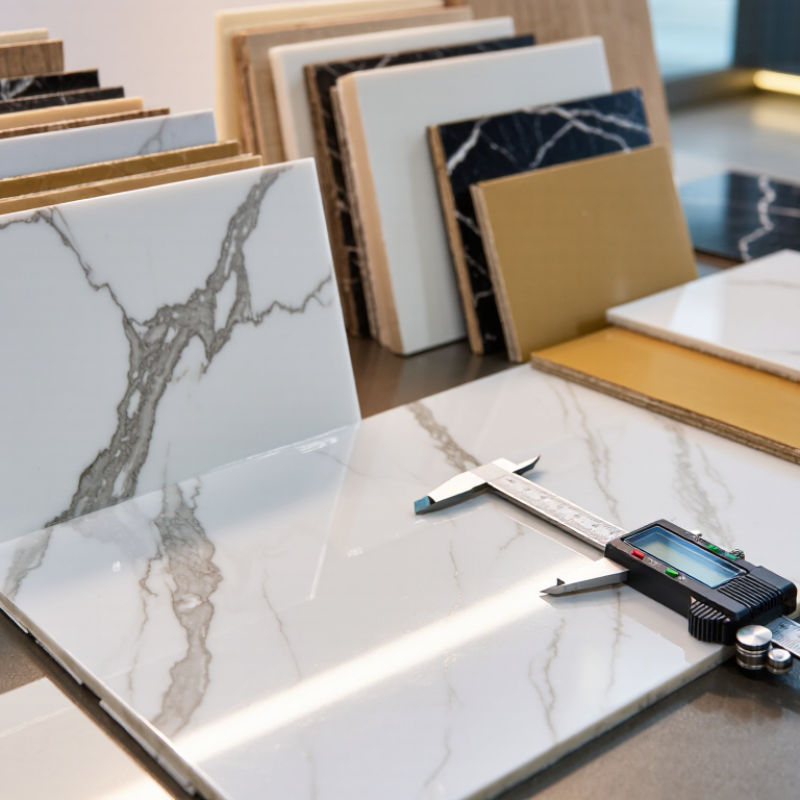
Choosing a PVC marble sheet starts with the room, not the pattern. In a dry bedroom, a thinner panel may be easier to carry and cut. Busy kitchens or corridors usually benefit from a more rigid sheet that resists dents and stays flat. Check a sample with a caliper; stated thickness and actual measurements can differ. The wall matters, too. A thick panel will not hide a badly uneven surface.
Sheet size affects seams, waste, and access. Measure wall height and width, then mark outlets, corners, and door openings before ordering. Large panels reduce joints, but they may be awkward on narrow stairs. Inspect a cut edge for a uniform core, secure bonding, and visible voids. An uneven core can flex near corners. A denser core is not always better if it adds weight without improving stability. Ask for technical data and confirm the sheet’s intended use.
Tips: Compare samples under the room’s lighting. Press gently near an edge and check for excess flex or separation. Keep an offcut for later repairs. It helps. Before trimming, verify measurements and allow a little extra for mistakes; even careful measuring can go wrong.
Choose a Surface Design and Finish for the Space
A PVC marble sheet should suit the room, not just look attractive in a sample. In a narrow bathroom, fine veining and pale tones can keep the wall from feeling busy. A large living-room feature wall can handle broader, more dramatic patterns. Check how the veins run across multiple sheets, too; mismatched lines can make seams stand out. View samples beside the floor, cabinets, and lighting you already have. Daylight and warm bulbs can shift the same white surface from cool to creamy.
Finish changes the mood and maintenance needs. Gloss reflects light and is easy to wipe, but it can show glare, fingerprints, and uneven wall spots. Matte finishes feel quieter and often disguise small marks, though texture may need more careful cleaning. Touch the sample. Look from the doorway. It is easy to overvalue a polished showroom display; real rooms have shadows, clutter, and changing light. Before ordering, confirm the sheet’s stated use, thickness, and installation requirements with the supplier. A quick test in the actual space can reveal a color mismatch you would otherwise notice only after fitting.
Check Installation Needs, Durability, and Maintenance
Check the installation before comparing finishes. A PVC marble sheet may be glued, mechanically fixed, or fitted over an existing surface; the right method depends on wall flatness, moisture, and substrate strength. Measure corners, outlets, and window returns, then confirm whether the supplier allows trimming on site. Measure twice. Leave room for expansion where the installation guide requires it, especially near warm pipes or direct sunlight. ASTM D696 measures linear thermal expansion, while ASTM D543 evaluates chemical resistance. Ask for test results for the exact sheet grade, not generic PVC figures.
Durability is more than a glossy surface. Check the wear layer, impact resistance, and stain-test conditions, and compare results using the same test methods. PlasticsEurope’s Plastics—The Facts 2023 reports global plastics production of 400.3 million tonnes in 2022; that broad figure reflects a varied material sector, not a lifespan guarantee for decorative sheets. For daily care, confirm which cleaners are permitted and whether abrasive pads can dull the printed finish. A damp microfiber cloth is often a safer starting point. Keep offcuts. They help test a cleaner discreetly, and they may reveal how the pattern looks under your project’s lighting. I still find that step easy to skip.
Assess Safety Standards, Supplier Reliability, and Total Cost
How to Choose the Best PVC Marble Sheet for Your Project?
Assess Safety Standards, Supplier Reliability, and Total Cost
Check that the sheet’s technical documents match its intended use. Ask for current test reports covering relevant safety and performance requirements in your region. Confirm the report applies to the exact product, thickness, and finish—not just a similar sheet. Installation materials matter, too. Adhesives and wall surfaces can affect the final result. A tidy showroom sample tells you little about batch consistency.
Supplier reliability shows up in small details. Can the supplier provide clear specifications, batch information, realistic lead times, and written warranty terms? Request a sample and inspect its edges, surface, and thickness under ordinary room lighting. A sample can still differ from a later shipment, so ask how defects are handled. It is easy to focus on price and overlook this risk.
Tips: Compare total installed cost, not sheet price alone. Include delivery, cutting waste, wall preparation, trims, adhesive, and labor. Ask for a written quote with quantities and exclusions. Keep a spare piece if storage allows. It may feel overly cautious, but replacements can be difficult to match.
How to Choose the Best PVC Marble Sheet for Your Project
Suggested evaluation weights for comparing options
These are illustrative planning weights, not survey results or a universal standard. Adjust them to suit your project. Check safety documentation against the requirements that apply in your market and intended use; verify supplier quality controls, product traceability, and delivery capability; and compare total installed cost, including materials, transport, installation, waste, and maintenance.