How to Choose the Best Medical Air Purifier for Your Home?
Choosing a medical air purifier for your home can feel overwhelming. With so many options, how do you know which one is right? A medical air purifier offers essential benefits for improving air quality, especially in homes with health concerns. Selecting the best device is vital for ensuring a safe environment.
You may wonder about the effectiveness of various air purifiers. Some claim to remove allergens, dust, and even viruses. Yet, not all models deliver on these promises. Research reveals that effectiveness varies significantly among brands. What works well for one home might not be ideal for another.
Consider your specific needs carefully. Do you or your family members have allergies or respiratory issues? Take time to assess your situation. A medical air purifier designed for your specific requirements can make a huge difference. This choice can lead to cleaner air and better health outcomes, but the wrong selection may do little to improve your home environment.
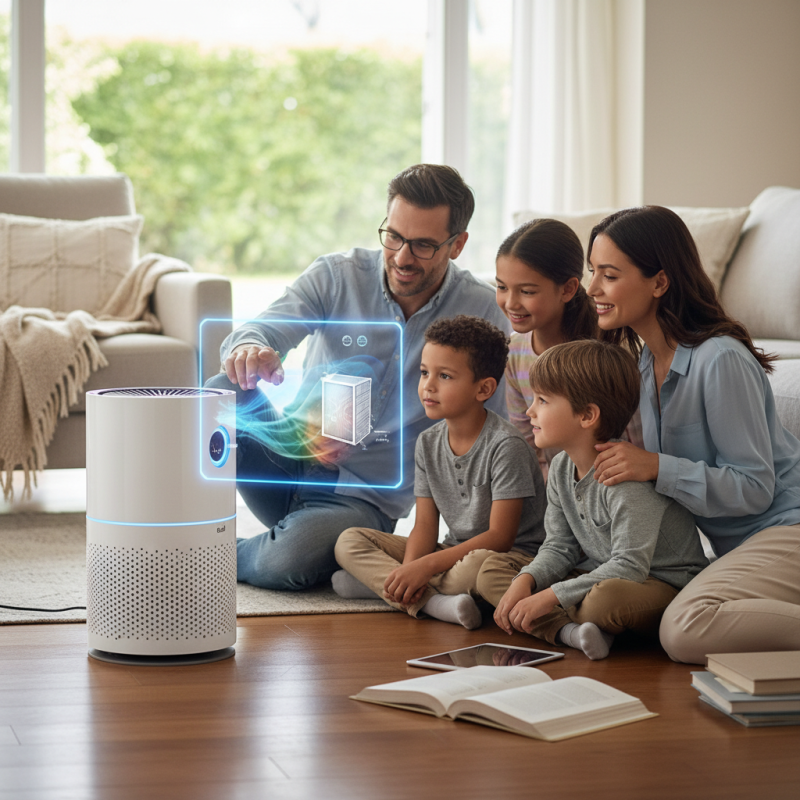
Understanding the Importance of Medical Air Purifiers for Home Use
Medical air purifiers are essential for maintaining a healthy home environment. They target airborne contaminants. These include dust, pollen, and even bacteria. Many families suffer from allergies or respiratory issues. Air purifiers can help reduce symptoms significantly. Individuals with asthma or other sensitivities often find relief when using these devices.
Choosing the right medical air purifier requires careful consideration. Understand the specific needs of your household. Look for features such as filtration efficiency and room size compatibility. Purifiers vary in their ability to capture particles. Some devices may struggle with smaller pollutants. It’s important to evaluate what you really need. Noise levels and maintenance costs can also be drawbacks.
Placement in your home matters too. Avoid corners and enclosed spaces. Proper air circulation enhances effectiveness. It's easy to overlook these details. Sometimes, the most advanced purifier doesn't fit all scenarios. Each home is unique. Therefore, research and reflection are necessary to make the best choice.
How to Choose the Best Medical Air Purifier for Your Home?
| Criteria | Details |
| HEPA Filter | Choose an air purifier with a true HEPA filter that can capture 99.97% of particles as small as 0.3 microns. |
| CADR Rating | Select models with a high Clean Air Delivery Rate (CADR) for effective removal of smoke, dust, and pollen. |
| Room Size Compatibility | Ensure the air purifier is suitable for the size of the room where it will be used. |
| Noise Levels | Consider the noise level in decibels to ensure it operates quietly, especially in bedrooms or libraries. |
| Filter Replacement Cost | Evaluate the cost and frequency of replacing filters to ensure maintenance is manageable. |
| Additional Features | Look for features such as air quality indicators, smart technology, or UV-C light for additional purification. |
| Energy Efficiency | Check for energy-efficient models to reduce electricity costs while maintaining air quality. |
Key Features to Look for in a Medical Air Purifier
When selecting a medical air purifier, certain key features should not be overlooked. HEPA filters are essential. They can trap tiny particles, including dust, pollen, and allergens. Some purifiers also use activated carbon to eliminate odors and harmful gases. This dual-filter approach enhances air quality significantly.
Another important aspect is the Clean Air Delivery Rate (CADR). It measures how quickly a purifier can clean the air. Look for a model with a higher CADR rating for better performance. Noise levels matter too. A quiet model is preferable for a bedroom or office. However, while searching for the best purifier, it's common to get lost in a sea of options.
Consider the design and size of the unit. It should fit your space without being cumbersome. Portability can be beneficial if you plan to move it between rooms. Also, think about filter replacement costs and maintenance. A purifier could seem great, but ongoing costs matter. Evaluate your needs carefully. This conscientious choice can significantly improve your home environment.
Types of Filters Used in Medical Air Purifiers and Their Effectiveness
Choosing the right medical air purifier involves understanding the types of filters it uses. There are several filter types, each with varying effectiveness. HEPA filters are common. They can capture 99.97% of particles down to 0.3 microns. This includes allergens and dust.
Activated carbon filters absorb gases and odors. They are effective against many volatile organic compounds (VOCs) found in homes. Studies show that these filters can significantly reduce indoor air pollution. Yet, their effectiveness may diminish over time.
**Tip:** Regularly replace filters according to manufacturer guidelines. This maintains airflow and efficiency.
Ultraviolet (UV) light filters can kill bacteria and viruses. They work best in conjunction with other filters. However, they alone may not capture large particles. It’s crucial to consider the specific needs of your home.
**Tip:** Assess your indoor air quality before purchasing. You might need a combination of filters for optimal results.
Considering these details can help narrow choices. Not every purifier works for every situation. Evaluation is essential.
Evaluating Room Size and Air Changes Per Hour for Optimal Performance
When selecting a medical air purifier, room size and air changes per hour (ACH) are crucial factors to consider. The ACH indicates how effectively an air purifier can refresh the air in a room. For instance, a living room of 300 square feet typically needs an ACH of at least 5. This means the air should cycle through the purifier five times each hour. According to research from the Environmental Protection Agency, proper air circulation significantly reduces airborne pathogens.
Evaluating the specific needs of your space is vital. Larger rooms require devices with a higher ACH to maintain air quality. For example, a bedroom measuring 150 square feet benefits from an ACH of 6. However, many consumers overlook the importance of matching ACH with room dimensions, leading to inefficiencies. A smaller unit in a big room might clean the air, but not effectively.
Consider the layout of your space when choosing. Partitions can hinder airflow. Testing different setups is a good practice. Ensure you analyze the air quality before and after utilizing the device. This reflection is essential for understanding your air purifier’s effectiveness. According to a study by the Indoor Air Quality Association, many users could not perceive the difference in air quality promptly. Thus, revisiting the setup might lead to improved outcomes.
Air Purifier Performance Comparison Based on Room Size and ACH
Budget Considerations: Finding Quality Medical Air Purifiers at Different Price Points
When selecting a medical air purifier, budget considerations are crucial. You can find models priced from under $100 to over $500. The lower-end options may lack advanced features. They might not capture the smallest particles effectively. It's essential to assess your specific needs before making a decision.
Mid-range purifiers often strike a balance. They typically offer HEPA filters and improved air quality. These models can effectively reduce allergens, smoke, and dust. However, you might miss advanced technology seen in pricier options. For instance, some high-end models provide smart features and remote monitoring.
Quality medical air purifiers at any price point should meet certain standards. Always check for certifications and performance specifications. Reviews can provide insight but may be subjective. The ideal choice depends on personal preferences and the unique air quality in your home. Keep in mind that a higher price tag does not always guarantee better performance.