How to Choose the Best Telescoping Scaffold Plank for Safety?
When working at heights, safety must be a top priority. Choosing the right equipment is crucial. A Telescoping Scaffold Plank is a popular choice due to its versatility. However, not all planks are made the same. They come in various materials and weight capacities.
Consider the location where you will use the plank. A durable, lightweight option may be best for outdoor projects. Also, think about the height you need to reach. Some planks extend more than others. If a Telescoping Scaffold Plank does not meet your needs, it could lead to accidents.
It's vital to assess the brand and read reviews. Some products may not meet safety standards, putting users at risk. If you overlook details like weight limits, it could prove dangerous. Inspect components for quality. Your choice should create a safe work environment. Sometimes, despite careful planning, issues arise. Be prepared to adapt your choices if a selected plank fails to perform as expected.
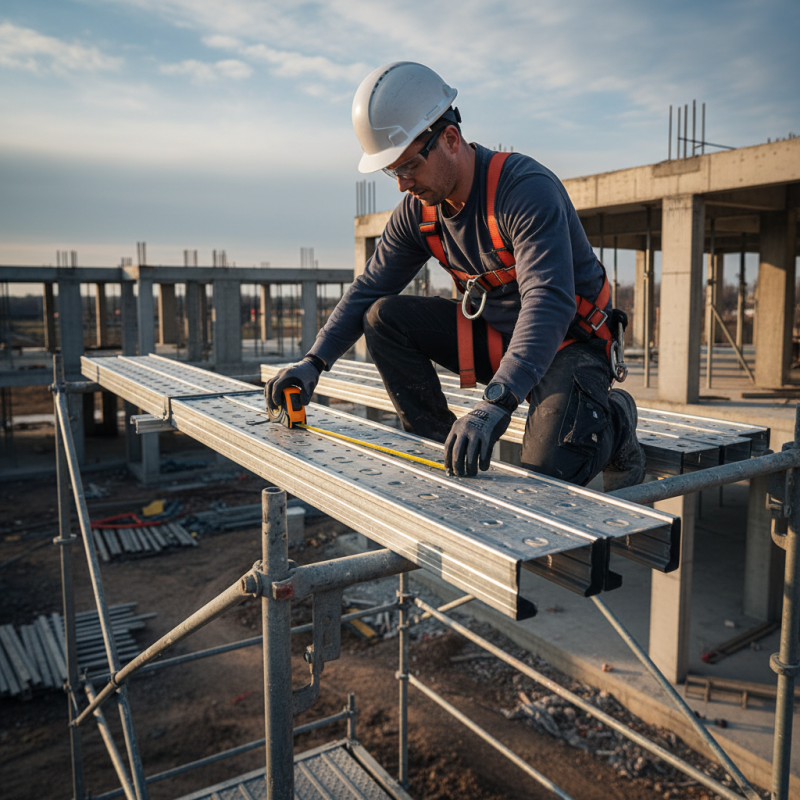
Understanding Telescoping Scaffold Planks: Key Features and Specifications
When selecting a telescoping scaffold plank, understanding its key features and specifications is crucial. Telescoping scaffold planks are designed for versatility. They extend and retract, allowing for varied workspace needs. Most commonly made from aluminum or wood, these materials determine weight capacity and durability. According to industry reports, a typical aluminum plank can support around 750 pounds. This makes it ideal for heavy tasks.
Safety is paramount. Look for planks with slip-resistant surfaces. This feature is invaluable when working at heights. A report found that almost 33% of scaffold-related injuries occur from slips. Ensure the planks have secure locking mechanisms. This prevents accidental retraction, which can lead to falls.
Tip: Always check weight ratings. Ensure your selected plank meets project needs. Consider the environment too. For outdoor jobs, weather-resistant materials are preferable. Remember, not all planks fit every scaffold system. It’s essential to verify compatibility. Prioritize safety above all; inspect gear regularly for wear and tear. Small lapses can lead to serious accidents.
Safety Features of Telescoping Scaffold Planks
Importance of Weight Capacity in Choosing Scaffold Planks for Safety
When choosing a telescoping scaffold plank, weight capacity is crucial. A plank’s weight capacity determines how safe it is for workers. If you exceed this limit, accidents can happen. Imagine a worker relying on a plank that can't support their weight. This scenario could lead to serious injury. It's vital to check both the manufacturer's specifications and any potential load when selecting a plank.
Think about the materials used in each scaffold plank. Some materials are lighter but may not support as much weight. Others are heavy but provide better stability. Finding the right balance is essential. A little research into the strength of materials can make a difference. Inspect the plank regularly for signs of wear. Even a small crack can compromise safety. Don’t overlook these details; they are crucial in protecting lives.
How to Choose the Best Telescoping Scaffold Plank for Safety?
| Plank Type | Weight Capacity (lbs) | Length (ft) | Material | Safety Features |
| Aluminum Plank | 750 | 12 | Aluminum | Anti-slip surface |
| Wood Plank | 500 | 10 | Plywood | Rounded edges |
| Composite Plank | 600 | 14 | Fiberglass | Weather-resistant |
| Steel Plank | 1000 | 16 | Steel | High-strength design |
Material Types and Their Impact on Durability and Performance
When choosing a telescoping scaffold plank, the material type plays a crucial role in its durability and performance. Aluminum, for instance, is lightweight yet strong. It can support heavy loads and withstand various weather conditions. However, aluminum may bend under extreme stress if not used properly. Wooden planks are sturdy but can degrade over time, especially when exposed to moisture. Consider the environment before making a choice.
Tips: Always inspect the planks before use. Check for any signs of wear or damage. This can prevent accidents on the job site.
Another option is fiberglass, offering high resistance to falling and electrical hazards. However, fiberglass can be heavier and more difficult to maneuver. It is essential to weigh the benefits against the challenges. You may find it awkward to transport or set up.
Tips: Be mindful of weight limits. Each material type comes with specific load ratings. Adhering to these guidelines ensures safety and efficiency. Before choosing, assess the specific tasks at hand and the environment in which the plank will be used.
Ensuring Compliance with Safety Standards and Regulations for Scaffold Use
When choosing a telescoping scaffold plank, safety standards are crucial. Compliance with regulations like OSHA ensures worker protection. The right scaffold plank should meet or exceed these guidelines for load capacity. Look for planks made from durable materials, as they offer better support and longevity. Regular inspections are necessary to identify wear and tear. This can prevent accidents on the job site.
Consider the environment where the plank will be used. Wet or uneven surfaces can impact stability. Ensure that the plank has slip-resistant features. An ideal choice should also allow for easy setup and takedown. This reduces the risk of injury during assembly. Often, workers overlook small details like weight limits. Yet, understanding load ratings is vital for safety.
Remember, safety is not just about choosing the right equipment. It involves continuous education and training. Workers should be aware of proper usage and maintenance techniques. Even slight negligence can lead to severe accidents. Reflect on past experiences; learning from mistakes can lead to safer practices.
Evaluating User Ratings and Expert Reviews on Scaffold Plank Safety
Choosing a telescoping scaffold plank requires careful evaluation of safety features. User ratings and expert reviews provide valuable insights. Look for feedback on load capacity. A plank that can support more weight is often safer. However, be cautious; some ratings could be misleading.
Consider the materials used in the plank's construction. Reviews often highlight durability. Aluminum and wood have different strengths. Users may prefer one over the other, but opinions will vary. Pay attention to how the plank performs in real-world scenarios. Some reviewers may report that a seemingly strong plank bent under pressure. Reflect on those experiences before making a decision.
Safety is subjective and can depend on individual use cases. Look for users who have similar needs to yours. If a user reports a safety issue, dig deeper. Was it due to improper use? Or was the plank inherently unsafe? It is crucial to analyze such factors. Ultimately, the best choice is one that balances both expert advice and user experiences.