How to Choose the Best Aluminum Foil for Your Needs?
Choosing the right Aluminum Foil for your needs is more important than it seems. According to recent industry reports, the global aluminum foil market was valued at approximately $21 billion in 2022. This value is projected to grow as more households and businesses recognize the advantages of aluminum foil.
Aluminum foil is versatile. It can be used for food storage, grilling, and even baking. However, not all aluminum foils are created equal. Differences in thickness and quality can impact performance. A lightweight foil may tear easily, while a heavy-duty option provides better durability.
Consumers often overlook these key factors. Many simply grab the first option they see. But understanding your specific requirements is crucial. Whether you need foil for cooking or wrapping leftovers, making an informed choice leads to better results. The right aluminum foil enhances efficiency and effectiveness in food handling, which is vital in today's fast-paced environment.
Understanding the Different Types of Aluminum Foil Available
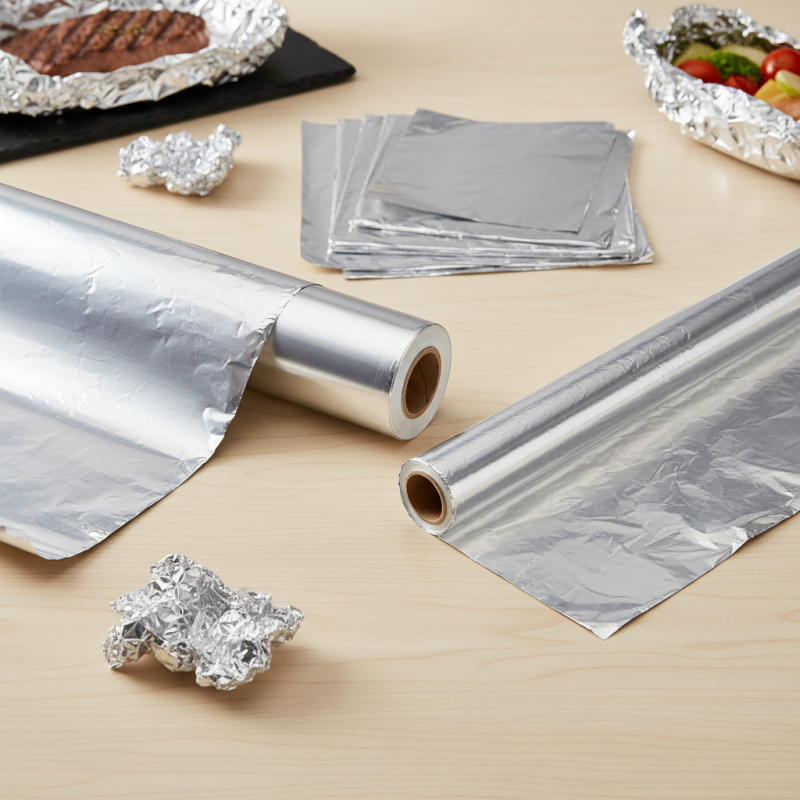
When selecting aluminum foil, it's essential to understand the various types available. The most common are standard, heavy-duty, and non-stick foils. Standard aluminum foil is versatile and suitable for everyday tasks, such as wrapping food or lining baking sheets. According to the Aluminum Association, over 1.3 million tons of aluminum foil are produced annually in the U.S. alone, highlighting its popularity.
Heavy-duty aluminum foil is thicker and more robust. It's ideal for grilling and high-temperature cooking. Reports show that users appreciate its durability. Many prefer it for wrapping meats or storing leftovers. Non-stick aluminum foil is coated to prevent food from sticking. This feature simplifies cleanup, but it does raise questions about safety and long-term use. Some studies suggest that the non-stick coating may affect how food interacts with the aluminum.
While many have strong preferences, it's wise to consider the specific requirements of your cooking methods. Each type of foil serves different purposes. Using the wrong type can lead to subpar results. Those in the culinary field recommend experimenting with various types to determine what works best for your needs. Ultimately, understanding these distinctions can help you achieve better cooking outcomes.
Comparison of Different Types of Aluminum Foil
Factors to Consider When Choosing Aluminum Foil for Cooking
Choosing the right aluminum foil involves understanding its various properties. Thickness is a key factor. Most aluminum foils come in standard and heavy-duty options. Standard foil typically has a thickness of 0.016 millimeters, while heavy-duty varies from 0.024 to 0.025 millimeters. For grilling or wrapping meats, heavy-duty foil is crucial due to its increased durability.
Another important factor is the type of coating. Some foils have a non-stick surface, making them ideal for baking. A study by the Aluminum Association indicated that non-stick foils can reduce food waste significantly, maximizing utility in the kitchen. However, these products often come at a higher price point. Consider how often you cook and what types of food you use aluminum foil for.
When it comes to environmental impact, composite foils with different materials may pose recycling challenges. According to a report from the Environmental Protection Agency, aluminum foil comprises about five percent of household aluminum waste. You might reflect on how much foil you really need. Evaluating your usage pattern can lead to more sustainable choices.
Evaluating Strength and Thickness of Aluminum Foil Options
When selecting aluminum foil, the strength and thickness play crucial roles. Thicker foil provides more durability. It resists tearing better than thinner options. For heavy-duty tasks, thicker sheets are ideal. They handle high heat effectively and prevent leaks. If you're wrapping sharp objects, strong foil is a must.
The thickness of aluminum foil typically ranges from 0.016 to 0.024 millimeters. This variation affects how well your foil performs. Thinner foil may suffice for simple tasks like covering leftovers. However, if you plan to grill or bake, a thicker option is necessary. Using the right thickness can prevent frustrating leaks and ensure your food stays protected.
Consider your needs carefully. If you often face challenging cooking tasks, investing in thicker foil is wise. However, for everyday use, thinner options can be practical. It’s essential to reflect on your cooking habits. Experimenting with different thicknesses can help you discover what works best for you. Balancing strength with your specific requirements can enhance your cooking experience.
How to Choose the Best Aluminum Foil for Your Needs? - Evaluating Strength and Thickness of Aluminum Foil Options
| Type | Thickness (microns) | Tensile Strength (MPa) | Best Use |
| Standard Aluminum Foil | 16 | 70 | Cooking and Storing |
| Heavy Duty Aluminum Foil | 30 | 80 | Grilling and Baking |
| Extra Heavy Duty Aluminum Foil | 35 | 90 | Hooding and High-Temperature Cooking |
| Reynolds Parchment Paper | Varies | N/A | Baking and Roasting |
Specialized Uses of Aluminum Foil and Their Requirements
When selecting aluminum foil, it’s essential to consider specialized uses. For cooking, heavy-duty foil withstands higher temperatures and provides better insulation. It’s perfect for lining baking trays and wrapping meats. Standard foil is more suitable for covering dishes and storing leftovers. However, it may not prevent all moisture from escaping, which can lead to dried-out food.
For grilling, look for foil that is specifically designed for high-heat situations. This type of foil can resist tearing and holds up against flames. Wrapping vegetables or fish in foil packets locks in flavor and moisture, but you must ensure the packets are sealed tight. Many people underestimate how important this is. Loose seals can ruin your meals.
In crafting and DIY projects, foil can also be quite useful. Look for thinner options for easy manipulation. It’s ideal for creating molds or adding textures to surfaces. However, the thinner foil may not hold up well under weight. Always test your project before full-scale use. These specifics can help you choose the right type of aluminum foil, tailored to your unique needs.
Environmental Impact and Recycling of Aluminum Foil Products
Aluminum foil is not only a kitchen staple but also raises questions about its environmental impact. In the U.S., about 1.7 million tons of aluminum foil are used annually. This consumption leads to significant waste. Although aluminum is recyclable, many consumers still discard it improperly, contributing to landfill overflow.
Recycling aluminum foil can dramatically reduce its environmental footprint. According to the Aluminum Association, recycling aluminum saves up to 95% of the energy needed to produce new aluminum. However, many municipalities do not accept contaminated foil, which can complicate the recycling process. It's estimated that only about 50% of aluminum foil is recycled, often due to improper disposal practices.
The energy-intensive nature of aluminum production poses further challenges. A study by the International Aluminum Institute highlighted that the manufacturing process accounts for approximately 1% of global greenhouse gas emissions. While there have been strides in recycling technologies, the overall rates remain low. Consumers need to understand the importance of clean recycling practices to enhance the sustainability of aluminum products. It’s crucial to reflect on how our choices impact the environment.