Best Window Awnings For Homes to Enhance Curb Appeal?
As homeowners seek to enhance their property's curb appeal, "Window Awnings For Homes" have emerged as a stylish and functional choice. Recent industry reports show that well-designed awnings can boost a home's value by up to 5%. This number highlights the significant impact of aesthetics on real estate. Awnings not only provide shade but also protect windows from harsh weather, increasing their lifespan.
In today's competitive housing market, exterior enhancements are critical. Many homeowners overlook window treatments like awnings. This can be a missed opportunity because these additions improve energy efficiency and lower cooling costs. According to the U.S. Department of Energy, awnings can reduce solar heat gain by 65% on south-facing windows.
However, choosing the right awning requires careful consideration. Factors like material, size, and color play crucial roles in their effectiveness. While there are numerous styles available, finding the perfect match for your home can be challenging. It's essential to balance aesthetics and functionality for the best results. Reflecting on these factors can lead to more informed decisions about enhancing curb appeal.
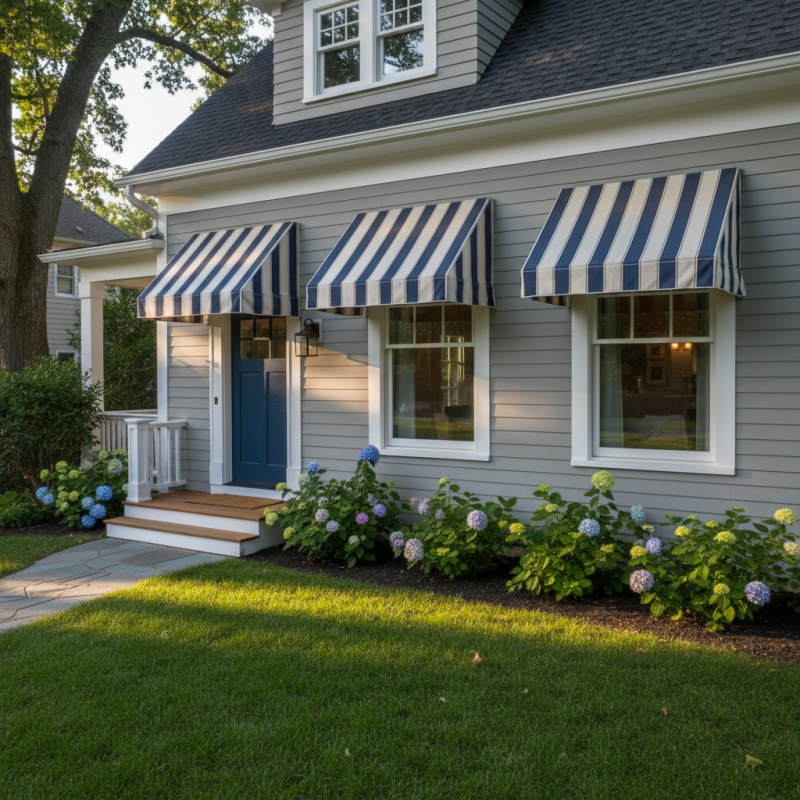
Types of Window Awnings and Their Aesthetic Appeal
When it comes to enhancing a home’s curb appeal, window awnings can play a significant role. These structures provide shade and protection from the elements. According to a report by the American Society of Landscape Architects, 68% of homeowners value aesthetics as a priority in home improvements. Awnings can add a charming touch, especially in traditional or cottage-style homes.
There are different types of window awnings available. Fabric awnings can provide a pop of color, adding vibrancy to the structure. Metal awnings, on the other hand, offer a modern and sleek look. Both can improve the home’s overall aesthetic. The National Association of Home Builders states that exterior improvements can yield a return on investment of up to 85%. However, homeowners should consider durability against potential weather damage.
Yet, not all awnings fit every home style. A proper match between architectural style and awning design is crucial. Oversized awnings may overwhelm a smaller window, while too small an awning might look out of place. Homeowners often cite difficulty in selecting the right size. Balancing functionality and design is a common challenge that requires thoughtful consideration.
Best Window Awnings For Homes to Enhance Curb Appeal
Factors to Consider When Choosing Window Awnings for Your Home
When choosing window awnings, there are several important factors to consider. The first is the style of your home. Awnings come in various designs. You want your choice to complement your home’s architecture. Think about colors as well. They should either blend well or contrast elegantly with your exterior.
Durability is another key aspect. Materials like fiberglass or metal tend to last longer than fabric options. However, fabric can add a softer touch to your home’s aesthetics. Consider the climate you live in as well. Harsh weather can affect the lifespan of awnings, leading to wear and damage.
Tips:
Measure your windows carefully before making a purchase. Accurate dimensions ensure a proper fit. It’s vital for functionality and looks. Additionally, take time to research local regulations. Some areas have restrictions on size and installation.
Selecting the right awning can be a challenge, as choices may vary widely. Reflecting on your needs will help guide your decision. Personalize your option based on usage, such as shade, rain protection, or decoration.
Materials Used in Window Awnings and Their Impact on Durability
Window awnings are essential for enhancing the aesthetics of your home while also offering practical benefits. The materials used in these awnings significantly impact their durability. Common materials include fabric, metal, and vinyl. According to recent industry reports, fabric awnings last about 5 to 15 years, while metal options can survive for over 20 years. This durability makes metal a preferred choice for long-term investment.
Choosing the right material involves understanding local weather conditions. For instance, heavy rain or strong winds may affect the longevity of fabric awnings. In contrast, areas with harsher climates might necessitate metal options for added resilience. A professional study highlights that 70% of homeowners consider durability the most crucial factor when selecting window awnings.
Tips: Regular maintenance can extend the life of fabric awnings. Cleaning them every six months helps prevent mold and mildew. Consider retractable awnings for a blend of durability and flexibility. They can be closed during extreme weather, significantly increasing their lifespan. Make sure to assess the installation quality; poor installation may lead to early wear and tear, regardless of material choice.
Design Styles of Window Awnings to Complement Home Architecture
Window awnings can significantly enhance your home's curb appeal, offering both style and functionality. Various design styles of window awnings complement different architectural styles. For traditional homes, a classic scalloped awning can add an elegant touch. In contrast, modern homes might benefit from sleek, minimalist awnings that maintain clean lines.
When choosing the right style, it's essential to consider your home's color palette. Bright colors can make your home stand out, while neutral tones can provide a well-balanced look. Pay attention to the materials as well – durable fabrics can withstand weather changes without fading quickly. Remember, the awning should harmonize with existing features like trim and window styles.
**Tips:** Take measurements before purchasing. This ensures a proper fit. Think about functionality too; do you need additional shade or just decoration? Awnings should also provide practical benefits like rain protection for window areas. Evaluate your options carefully to find the best match for your home. Each choice reflects your personal taste, so don’t rush the process.
Best Window Awnings For Homes to Enhance Curb Appeal
| Style | Material | Color Options | Dimensions (ft) | Price Range ($) |
| Traditional | Aluminum | White, Green, Blue | 4 x 2 | 100 - 250 |
| Modern | Canvas | Red, Black, Beige | 5 x 3 | 150 - 300 |
| Retractable | Vinyl | Yellow, Gray, Brown | 6 x 4 | 200 - 400 |
| Arch | Wood | Natural Finish, Stained | 3 x 3 | 120 - 280 |
| Window Canopy | Acrylic | Transparent, Frosted | 5 x 1.5 | 80 - 180 |
Maintenance Tips for Keeping Window Awnings Looking Their Best
Window awnings not only add aesthetic appeal but also require consistent upkeep. Regular maintenance enhances longevity and ensures they look striking. Research from the American Society of Interior Designers indicates that well-maintained awnings can increase home value by up to 15%. However, neglecting them can lead to costly repairs.
To maintain window awnings, start with routine cleaning. Dust, dirt, and mildew can accumulate. A simple mixture of mild soap and water often suffices. Use a soft brush or cloth for gentle scrubbing. Additionally, checking for loose seams or fraying edges can prevent further damage. Experts recommend inspecting awnings at least twice a year.
Seasonal changes can also impact awning condition. Sun exposure may fade colors, while heavy rain can cause sagging. Employing a protective spray can guard against UV damage. It's essential to recognize the need for repair early to avoid extensive issues. Being proactive about maintenance not only preserves your awnings but also your home's curb appeal.