
Blog

10 Best Undermount Kitchen Sinks for 2026?

Choosing an Undermount Kitchen Sink for 2026 means looking beyond a polished showroom display. The right model should fit your cabinet, daily cooking habits, and cleanup routine. A deep single bowl can handle a roasting pan, while a double bowl helps separate washing from rinsing. Both have trade-offs. Measure carefully.

Kitchen designer and licensed contractor Matt Muenster offers a useful reminder: “A kitchen should work as well as it looks.” That principle matters at the sink, where bowl depth, sound insulation, and faucet clearance shape everyday use. Check the cabinet’s interior width and the countertop cutout before comparing finishes. Stainless steel is durable and versatile; fireclay offers a substantial look but needs careful handling. Small details count.

This guide reviews 10 strong options for different kitchens and budgets. It considers material, bowl layout, installation needs, included accessories, and practical maintenance. A sink grid may protect the basin, but it can also make cleaning feel fussier. That is worth admitting. No single model suits every home, and product specifications can change. Confirm current measurements and warranty terms with the manufacturer before buying. The best choice is the one that fits your space and feels easy to use on an ordinary Tuesday.
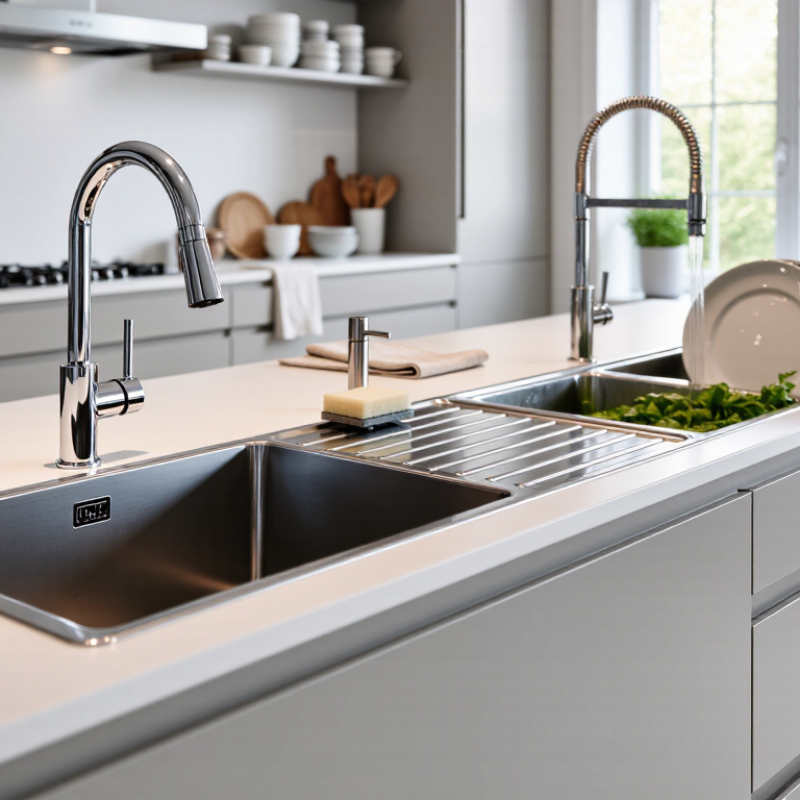
10 Best Undermount Kitchen Sinks for 2026?

How Undermount Kitchen Sinks Differ in Design and Installation

Undermount sinks attach beneath the countertop, leaving no raised rim around the basin. That changes the feel. You can wipe crumbs directly into the sink, and the counter edge stays visible. Compared with a top-mounted sink, the look is cleaner, but the exposed cutout needs a smooth, well-finished edge. Basin shape also matters: rounded corners are easier to wipe, while tighter corners can offer a sharper, modern profile. A deeper bowl holds bulky pans, though it may make reaching the bottom less comfortable.

Installation depends on both the sink and the counter. Stone and other solid-surface materials commonly support undermount mounting; ordinary laminate generally needs a compatible, reinforced edge detail. The sink is secured below the counter with suitable supports and sealant, and the opening must be cut precisely. A small alignment error can leave an uneven reveal or interfere with cabinet clearance. Heavy sinks may need additional support. I would not assume the countertop alone can carry the load; check the sink instructions and ask the fabricator or installer to confirm the plan.

Tips: Measure the cabinet, basin, and countertop opening before ordering. Confirm faucet and drain positions, too. Keep the cut edge sealed as specified, and inspect the joint for gaps after installation. Measure twice. One detail is easy to miss: a deep bowl can limit space for plumbing or stored items below.

Which Criteria Matter When Comparing Sinks in 2026

When comparing undermount kitchen sinks in 2026, start with fit, not appearance. Check the sink’s outer dimensions against the cabinet opening and countertop cutout. A deep basin can handle stockpots, but it may leave less room beneath the cabinet for plumbing or a disposal. Measure twice. Also compare bowl shape, drain position, and usable capacity; a wide, flat-bottomed basin may look generous but can drain slowly if its slope is shallow.

Material affects weight, noise, upkeep, and resistance to everyday wear. Stainless steel is relatively light and easy to clean, though thin construction can sound tinny. Fireclay and cast iron feel solid, but their weight may require cabinet support. Look for clear specifications on thickness, finish, mounting hardware, and sound-dampening pads. Small details matter. It is easy to overfocus on material; fit and daily cleaning may matter more. I would reconsider that instinct before buying.

Tips: Place a stockpot and baking sheet in the basin to test usable space. Ask the installer to confirm countertop compatibility and support needs. Check the drain assembly, too; it is often overlooked. A sink that suits your routine is usually more useful than one that wins on appearance alone.

Ten Undermount Kitchen Sinks to Consider for 2026

Ten undermount kitchen sinks to consider for 2026 include a single-bowl stainless-steel sink, a double-bowl model, and a low-divider design. Each handles everyday washing differently. A fireclay basin offers a substantial look, while granite composite can provide a matte surface. Enamel-coated cast iron brings a traditional finish. For added function, consider a workstation sink with a ledge, a compact prep basin, an extra-deep bowl, or a rounded-corner design. A fifth option is a large single bowl with a gently sloped base.

Material choice affects more than appearance. Stainless steel is relatively light and usually easy to maintain, though it can show water spots or utensil marks. Composite and fireclay feel solid, but their weight and installation requirements deserve attention. A deep basin can hide dishes from view. It may also make reaching the bottom less comfortable.

Measure the cabinet opening, not just the countertop, and confirm the sink’s dimensions with the installer. Undermount sinks need a secure countertop and carefully sealed edges; poor installation can invite moisture problems. Check drain placement, bowl depth, and room for a disposal before deciding. One detail is easy to overlook: a beautiful sink may still feel awkward if its corners are hard to clean. No option is perfect. That is worth admitting.

10 Undermount Kitchen Sink Sizes to Consider for 2026

Compare common nominal sink widths with a planning estimate for the minimum cabinet width. The estimate adds 3 inches to the sink width; always check the sink’s installation specifications and your cabinet measurements before buying.

Cabinet-width figures are planning estimates, not universal requirements. Actual fit depends on the sink’s overall dimensions, mounting hardware, plumbing, and cabinet construction.

How Materials, Bowl Shapes, and Features Affect Everyday Use

Material changes the sink’s daily feel. Stainless steel is light, resists impact, and can show water spots or utensil noise. A thicker-gauge model with sound-dampening pads may feel quieter, though installation affects noise too. Fireclay has a smooth, hard surface, but its weight calls for sturdy cabinet support. Composite surfaces can soften clatter; check the manufacturer’s care instructions before using abrasive cleaners.

Bowl shape matters more than showroom photos suggest. A deep, single bowl fits baking sheets and stockpots, but can make rinsing small items awkward. A divided bowl separates tasks, yet may not fit a wide roasting pan. In the U.S., the Department of Energy sets kitchen faucets’ maximum flow at 2.2 gallons per minute at 60 psi. That figure helps frame faucet performance, but real flow varies with pressure. The NKBA’s 2024 Kitchen Trends Report also emphasizes practical, functional kitchen design; sink accessories should serve a routine, not just add complexity.

Tips: Measure your largest pan, cabinet opening, and faucet reach before choosing. A low divider, rear drain, or removable rack can improve access, but each adds a cleaning edge. One trade-off is easy to miss: a deep bowl may feel spacious until a short user leans over it. Probe that fit in person, if possible.

How to Choose a Sink for Your Kitchen Layout and Budget

An undermount sink should fit the kitchen you have, not an imagined remodel. Measure the cabinet’s interior width and check the countertop material before comparing sink dimensions. The bowl needs clearance for its clips, plumbing, and any pull-out storage below. Measure twice. A deep basin can hide dishes, but it may feel awkward if you are short or have limited counter space. Around eight to ten inches deep suits many kitchens, though comfort and cabinet clearance matter more than a standard number.

Your layout helps determine the bowl shape. A single basin gives large pans room to turn, while a divided bowl can make rinsing and prep easier. In a narrow kitchen, check that the faucet handle and nearby wall or window will not restrict movement. Think about where water will drain, too; an offset drain may leave useful storage space underneath, but it must work with the existing plumbing. Small details matter.

Set a budget for the whole job, not just the sink. Include faucet changes, drain parts, countertop cutout work, and professional installation if needed. Different countertop materials require different mounting methods, so confirm compatibility with the fabricator or installer before ordering. It is tempting to choose the deepest or largest basin available. That is not always the best value. A well-sized sink that preserves cabinet space may serve you better than a dramatic upgrade you rarely use.

10 Best Undermount Kitchen Sinks for 2026? — How to Choose a Sink for Your Kitchen Layout and Budget

A practical comparison of common undermount sink styles. “Best for” describes a use case, not a specific product or brand.

Sink style Typical overall size (in.) Typical minimum cabinet width Common material Typical sink-only price (USD) Best for Layout and budget notes
Compact single bowl 15–20 wide × 16–18 front-to-back 18–24 in. Stainless steel $100–$350 Small kitchens, apartment kitchens, and secondary prep areas Uses less cabinet space; check that the bowl is large enough for the cookware you use most.
Standard single bowl 25–30 wide × 18–20 front-to-back 27–33 in. Stainless steel or composite granite $150–$600 Everyday cooking and washing larger pans A versatile choice for many layouts. A deeper bowl can reduce usable storage below the sink.
Large single bowl 31–33 wide × 18–20 front-to-back 33–36 in. Stainless steel, composite granite, or fireclay $250–$900 Busy kitchens that regularly handle sheet pans and large pots Offers an uninterrupted washing area but requires enough counter space and a suitable base cabinet.
Equal double bowl 31–33 wide × 18–20 front-to-back 33–36 in. Stainless steel or composite granite $200–$700 Separating washing and rinsing tasks Two bowls support multitasking, but each bowl is smaller than a comparable single-bowl sink.
Low-divider double bowl 31–33 wide × 18–20 front-to-back 33–36 in. Stainless steel or composite granite $250–$800 People who want two work areas with more room for larger cookware The lower divider makes it easier to handle wide pans while retaining separate bowl areas.
Deep single bowl 25–33 wide × 18–20 front-to-back; typically 9–10 deep 27–36 in. Stainless steel or composite granite $200–$750 Concealing dishes and washing tall pots Confirm clearance for plumbing, disposal equipment, and stored items; a deep bowl may require more bending.
Workstation single bowl 27–33 wide × 18–20 front-to-back 30–36 in. Stainless steel or composite granite $300–$1,000 Compact counters where prep space is limited Integrated ledges can hold compatible accessories. Check accessory availability and whether they are included.
Rounded-corner single bowl 25–33 wide × 18–20 front-to-back 27–36 in. Stainless steel $150–$650 Everyday use with easier-to-clean bowl corners Corner radius varies; compare the bowl’s usable flat area, not just its outside dimensions.
Fireclay single bowl 25–33 wide × 18–20 front-to-back 27–36 in. Fireclay ceramic $400–$1,200 Traditional or farmhouse-inspired kitchens seeking a glossy ceramic surface Fireclay is heavy. Confirm cabinet support, countertop compatibility, and the sink’s exact cutout requirements.
Composite granite single bowl 25–33 wide × 18–20 front-to-back 27–36 in. Granite-composite material $250–$900 Kitchens seeking a colored, matte-looking alternative to stainless steel Check the manufacturer’s care guidance and color availability; dark finishes may show mineral deposits.

Size, cabinet, and price figures are general U.S. planning ranges, not specifications for a particular sink. Prices are approximate sink-only retail ranges and exclude faucet, accessories, countertop work, and installation. Verify the sink’s template, cabinet dimensions, countertop thickness, mounting requirements, and plumbing clearances before purchase.