What is the Best Solid Surface Material for Your Project?
Choosing the right solid surface material is crucial for any project. The perfect choice balances aesthetics, durability, and functionality. Solid surface materials offer a range of benefits, making them popular in design and construction. From countertops to sinks, their versatility is impressive.
In recent years, the market has seen many options. Each type has unique properties. Some are resistant to scratches, while others are easy to maintain. However, not every solid surface performs well under all conditions. It's important to understand these distinctions. Many homeowners overlook how the material’s composition impacts longevity.
Numerous factors influence the decision. Consider the use case, environment, and budget. Reflect on the style and feel you desire. Solid surface can vary greatly in appearance, so choose wisely. Ultimately, selecting the best option requires careful thought and research.
Understanding Solid Surface Materials: An Overview
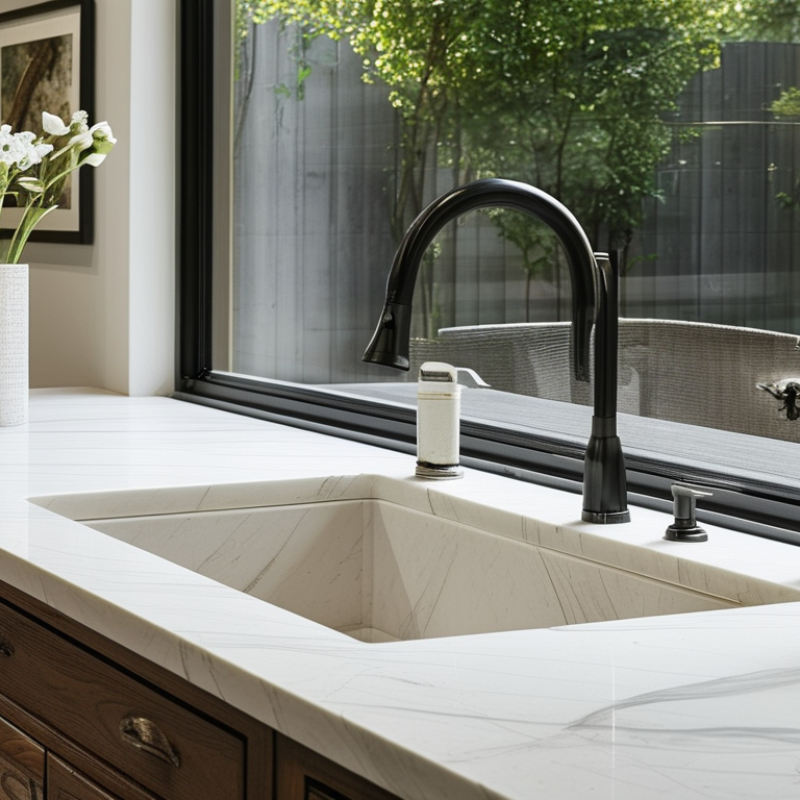
Solid surface materials have gained popularity in various design projects. They are versatile and aesthetically pleasing. These materials are created from a blend of acrylic and polyester resins, making them non-porous and easy to maintain. This feature is ideal for kitchens and bathrooms, where hygiene is crucial. Their smooth texture can be molded into different shapes, which allows for creative design options.
These materials are available in many colors and patterns. However, selecting the right solid surface can be challenging. Some options may scratch or discolor over time. It is vital to consider the intended use. For high-traffic areas, durability is a priority. Keeping up with trends can influence choices, but practicality should guide decisions.
Many people make the mistake of prioritizing appearance over functionality. Solid surface materials can be beautiful yet perform poorly if chosen without consideration. Trade-offs often arise between cost and longevity. A less expensive option may not meet expectations in the long run. Balancing aesthetics with durability leads to better outcomes in any project.
Types of Solid Surface Materials and Their Unique Properties
When selecting solid surface materials, understanding their unique properties is crucial. Acrylic solid surfaces are popular for their versatility. They come in a diverse range of colors and patterns. Their non-porous nature makes them resistant to stains and easy to clean. According to a 2022 report by the National Kitchen & Bath Association, 75% of homeowners prefer these surfaces for kitchen countertops.
Another option is polyester solid surfaces. These materials are often less expensive but may not be as durable as acrylic options. They can be damaged by high temperatures and harsh chemicals. However, they are lightweight and easy to work with. Builders often choose polyester surfaces for low-traffic areas or budget-conscious projects.
For those looking for something more stone-like, engineered quartz offers a great balance. This material consists of up to 90% natural stone. Its scratch-resistant surface holds up well against daily wear. Market research shows that quartz surfaces are on the rise, with a growth of 12% in sales over the past year.
A key factor to consider is maintenance. Some materials require more upkeep than others. Regular cleaning can prolong the lifespan of all solid surface materials. Choose wisely based on your project’s demands and budget, keeping in mind these varied characteristics.
Evaluating Performance: Durability and Maintenance of Solid Surfaces
When selecting a solid surface material for any project, understanding durability and maintenance is critical.
Solid surfaces like acrylics and resins are often praised for their longevity.
According to a report by the American Architectural Manufacturers Association, these materials can last over 10 years with adequate care.
They resist stains and discoloration, making them suitable for high-traffic areas.
Maintenance varies depending on the specific surface. While most are easy to clean with mild detergent,
some may require specialized care. In a recent survey, over 30% of homeowners reported difficulty in keeping certain solid surfaces pristine.
This reality highlights the need for thorough research before choosing a material.
Water absorption can also be a concern; some surfaces may retain moisture, leading to potential mold growth if not maintained properly.
Durability is not solely measured in years but also in everyday wear.
An independent study found that certain solid surfaces scratched or chipped more easily than others under average usage conditions.
This underlines the importance of testing a material's resilience before making a long-term investment.
Understanding both aesthetics and functionality can guide better decision-making in solid surface selection.
Design Considerations: Aesthetic Choices for Your Project
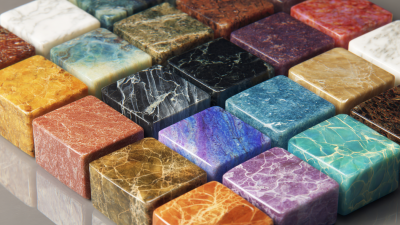
When selecting solid surface materials, aesthetics play a crucial role. The choice can define the overall look of your project. Options range from classic white to vibrant colors and textures. Each finish tells a story and adds character. Consider how the material interacts with light. Some surfaces enhance brightness, while others create a warm, intimate feel.
Incorporating personal style adds unique flair. Think about patterns, shapes, and how they flow within the space. Minimalist designs can look sleek and modern. Meanwhile, bolder patterns can evoke creativity and energy. The challenge lies in finding balance. Too much complexity can overwhelm; too little may feel uninspired.
Reflect on functionality alongside design. What mood do you wish to create? High-traffic areas might need durable choices. Soft, elegant finishes could work well in living spaces. Be open to experimentation; not every choice will blend seamlessly at first. Adjustments make the project uniquely yours. Visualize the end result and trust your instincts.
Cost Analysis: Budgeting for Solid Surface Materials in Your Project
When budgeting for solid surface materials, understanding costs is crucial. According to industry reports, solid surface materials typically range from $30 to $70 per square foot. Installation costs may add an additional $20 to $50 per square foot. Therefore, project planners must accurately assess both material and labor expenses.
For homeowners aiming to optimize their budgets, consider the long-term benefits of investing in quality materials. Solid surfaces are durable and require minimal maintenance. This can reduce replacement costs over the years. On the other hand, cheaper options may lead to higher costs in repairs and replacements.
Every project is unique, which can complicate budgeting. Factors like design complexity and local labor rates affect overall costs. Engaging with experienced professionals can provide a clearer financial picture. Seek multiple quotes to ensure competitive pricing. Always factor in potential unseen expenses, such as extra material waste or labor hours for intricate designs. A well-prepared budget can help avoid surprises and exceed expectations.
What is the Best Solid Surface Material for Your Project? - Cost Analysis
| Material Type |
Cost per Square Foot |
Durability Rating |
Average Lifespan (Years) |
Maintenance Level |
| Acrylic Solid Surface |
$35 |
8/10 |
10-15 |
Low |
| Polyester Solid Surface |
$30 |
7/10 |
7-10 |
Medium |
| Mineral-Filled Acrylic |
$40 |
9/10 |
15-20 |
Low |
| Glass-Fiber Reinforced Resin |
$50 |
10/10 |
20+ |
Very Low |