What is the Best Type of Natural Stone Countertops for Your Home
When it comes to choosing the perfect countertops for your home, the decision often boils down to aesthetics, durability, and maintenance. Natural stone countertops have gained immense popularity due to their unique beauty and resilience. According to John Smith, a renowned expert in the natural stone industry, “Natural stone countertops not only enhance the visual appeal of your kitchen or bathroom but also offer unparalleled longevity if properly maintained.” This wisdom underscores the importance of making an informed choice when selecting the best type of natural stone.
Exploring the various options available within the realm of natural stone countertops, from marble and granite to quartzite and soapstone, can be a daunting task. Each type has its distinct characteristics, advantages, and potential drawbacks that deserve careful consideration. As homeowners continue to seek materials that harmonize functionality with aesthetic charm, understanding the specific qualities of each natural stone becomes crucial in making the right choice for your home. In this guide, we will delve into the different types of natural stone countertops, helping you find the ideal match that will stand the test of time while reflecting your personal style.
Types of Natural Stone Countertops Available for Home Use
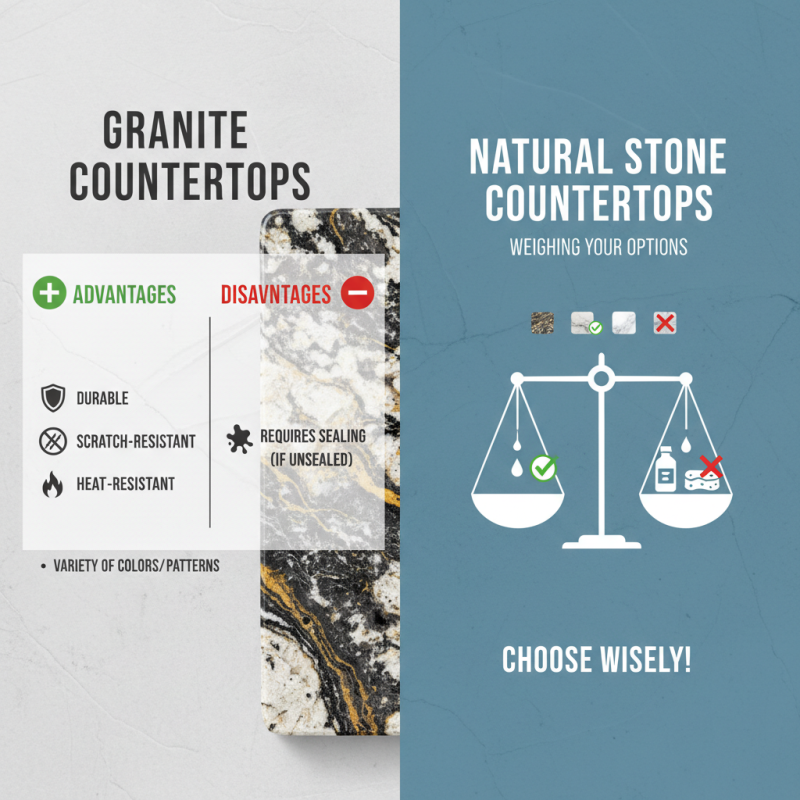
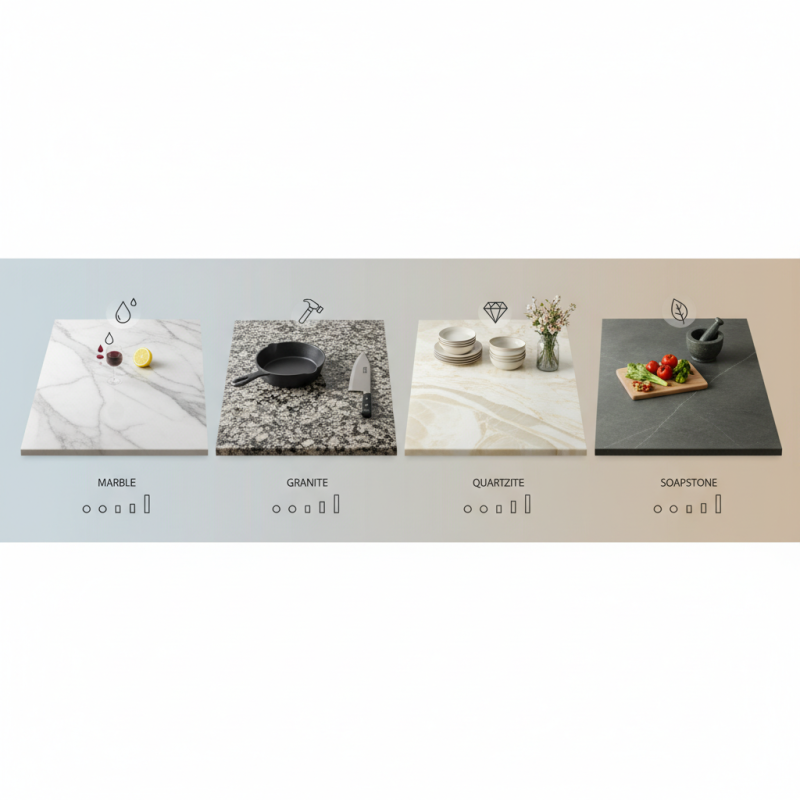
When selecting natural stone countertops for your home, understanding the types available is crucial for making an informed decision. Among the most popular choices are granite, marble, and quartzite. Granite is renowned for its durability and resistance to scratches and heat, making it an ideal choice for high-traffic kitchen areas. It comes in an array of colors and patterns, allowing homeowners to personalize their space while enjoying a functional surface. Because of its robust nature, maintenance usually involves only periodic sealing to preserve its luster.
Marble, while slightly softer and more porous than granite, offers a timeless elegance that many homeowners seek. Its unique veining and variety of colors give it a luxurious appeal, particularly in bathrooms or as an accent in kitchens. However, it does require more careful maintenance, as it can stain and scratch more easily than granite. Quartzite, distinct for its natural mineral composition, combines the beauty of marble with the durability of granite. This option provides a hard surface with stunning visuals, making it suitable for those who want both style and resilience in their countertops. Each of these natural stones offers unique qualities, enabling homeowners to select the best fit for their functional needs and aesthetic preferences.
Characteristics of Popular Natural Stones: Granite, Marble, and Quartzite
When it comes to choosing natural stone countertops for your home, it's essential to understand the characteristics of the most popular options: granite, marble, and quartzite. Each stone offers unique benefits, making them suitable for different needs and aesthetic preferences.
Granite, known for its durability and resistance to scratches and heat, is an excellent choice for high-traffic kitchens. The variety of colors and patterns available ensures that you can find a granite slab that seamlessly integrates into your home’s design. It requires minimal maintenance, simply needing regular sealing to preserve its look and longevity.
Marble, on the other hand, is revered for its timeless beauty and luxurious appearance. Ideal for bathrooms and other low-traffic areas, marble can create an elegant atmosphere. However, it is softer than granite, making it more prone to scratching and staining. Proper care and sealing are crucial to maintain its pristine condition.
Quartzite is a rising star in the natural stone market, combining the aesthetics of marble with the durability of granite. This stone is highly resistant to harsh weather and scratches, making it a practical choice for both indoor and outdoor use. Its natural beauty, coupled with a variety of color options, allows homeowners to achieve a stunning look without compromising on function. Each of these stones offers a distinctive charm, so the best choice ultimately depends on your specific needs and style preferences.
What is the Best Type of Natural Stone Countertops for Your Home
| Type of Stone |
Durability |
Maintenance |
Aesthetic Appeal |
Cost Range ($/sq ft) |
| Granite |
Highly durable, resistant to scratches and heat |
Low maintenance, easy to clean |
Variety of colors and patterns, natural beauty |
40-100 |
| Marble |
Moderately durable, can scratch and stain |
Requires regular sealing and careful cleaning |
Elegant, timeless design, unique veining |
50-150 |
| Quartzite |
Extremely durable, hard and heat resistant |
Moderate maintenance, occasional sealing needed |
Stunning appearance, resembles marble |
60-150 |
Advantages and Disadvantages of Each Type of Natural Stone
When considering natural stone countertops for your home, it's essential to weigh the advantages and disadvantages of each type. Granite is a popular choice due to its durability and resistance to scratches and heat. It comes in a variety of colors and patterns, allowing for a customized look. However, granite requires regular sealing to maintain its appearance and prevent staining, which can be seen as a downside for some homeowners.
Marble is often chosen for its luxurious appearance and unique veining, adding a touch of elegance to any kitchen or bathroom. It is, however, softer than granite and is more prone to scratches and etching from acidic substances. This means that while it may be visually stunning, it demands more maintenance and care compared to harder stones such as quartzite. Furthermore, limestone presents another option, known for its warmth and natural beauty. While it can create a beautiful aesthetic, it is more susceptible to scratching and staining than granite, requiring careful handling and maintenance. Each type of natural stone comes with its own set of characteristics that should be carefully evaluated based on personal preferences and lifestyle.
Factors to Consider When Choosing Natural Stone Countertops
When choosing natural stone countertops for your home, several factors come into play that can influence both aesthetics and functionality. First, consider the type of stone that best suits your lifestyle and needs. Common options include granite, marble, quartzite, and soapstone, each offering unique characteristics in terms of durability, maintenance, and appearance. For example, granite is renowned for its strength and resistance to scratching, while marble provides a timeless elegance that requires more care to maintain its beauty.
Tips: When selecting a countertop, think about the color and pattern that compliments your kitchen or bathroom decor. Light-colored stones can brighten a space, while dark hues add depth and sophistication. Additionally, be mindful of the finish—polished surfaces offer a sleek look but require more upkeep than honed or leathered finishes.
Another crucial factor is the maintenance requirements of the stone. Some natural stones need regular sealing to prevent stains and damage, while others are more porous and may absorb liquids easily. Assess your cooking habits and whether you have kids or pets, as these factors will guide your choice towards a stone that can withstand daily use without compromising on style.
Tips: Always inquire about the maintenance needs of different stones during your selection process. Downloadable guides or maintenance checklists can simplify this decision and help you keep your countertops looking pristine for years to come.
Maintenance and Care Tips for Natural Stone Countertops
Natural stone countertops are not only visually stunning but also require specific maintenance and care to ensure their longevity and performance. According to the National Association of Home Builders, nearly 60% of homeowners prefer natural stone for its durability and aesthetic appeal. However, these surfaces can be sensitive to stains, scratches, and heat if not properly cared for. Regular sealing is essential; for instance, granite should be resealed approximately once a year, as recommended by the Marble Institute of America. This not only protects the stone from moisture absorption but also helps maintain its luster and prevents the growth of harmful bacteria.
In addition to sealing, routine cleaning is crucial. A solution of warm water and mild dish soap is often recommended for day-to-day upkeep. Avoid using acidic or harsh chemical cleaners, as these can etch the surface and dull the finish. The 2021 Stone Industry Economic Impact Report indicates that improper care can lead to costly repairs or replacements, highlighting the importance of understanding care guidelines. Regular maintenance not only preserves the beauty of the countertop but also enhances its lifespan, providing homeowners with a long-term investment that is both practical and elegant.
Maintenance and Care Tips for Natural Stone Countertops