2026 Best Home Countertop Options Which Is Right for You
Choosing the right home countertop can transform your kitchen and influence your daily routines. According to Susan Millerick, a renowned countertop expert, “The right material complements your lifestyle and enhances your home.” This statement underscores the importance of selecting a countertop that balances aesthetics and functionality.
When exploring options for home countertops, homeowners face a myriad of choices. Each material, whether it's granite, quartz, or laminate, has unique characteristics. For instance, granite offers durability and elegance, while laminate is budget-friendly and versatile. However, the decision-making process can be overwhelming. Many homeowners overlook maintenance needs, which can impact long-term satisfaction.
Additionally, there’s often a disconnect between popular trends and personal preferences. The latest designs may not suit everyone’s taste or requirements. Balancing trendiness and practicality is crucial. Home countertops are more than just surfaces; they are part of your home’s story. Reflecting on this, it is essential to weigh both style and substance carefully.
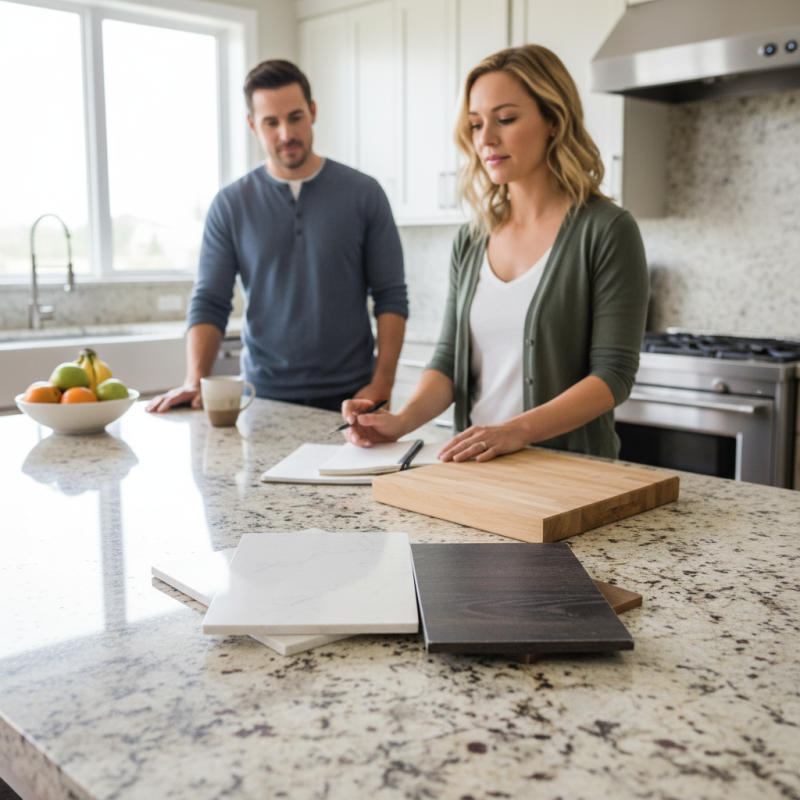
2026 Home Countertop Options: An Overview of Available Materials
When choosing a countertop, various materials are at your disposal. Popular options include granite, quartz, and butcher block. Each comes with unique benefits and challenges. Granite, for instance, is known for its durability and natural beauty. It can withstand heat and resist scratches. However, it requires regular sealing to maintain its luster.
Quartz is engineered and offers consistency in color and pattern. It’s non-porous, making it resistant to stains. Still, it can be susceptible to chipping. Butcher block, made from wood, brings warmth to a kitchen. It’s easy to repair but can harbor bacteria if not maintained properly.
Tips: Consider your lifestyle before making a choice. If you cook often, go for sturdier materials. For a more rustic look, butcher block might be suitable. Think about maintenance, too. Will you have time for regular sealing or special cleaning products? Reflect on how much use your countertop will get.
2026 Best Home Countertop Options
| Material |
Durability |
Maintenance |
Cost per SQFT |
Best Use |
| Granite |
Very Durable |
Low Maintenance |
$40-$100 |
Kitchens & Bathrooms |
| Quartz |
Highly Durable |
Low Maintenance |
$50-$150 |
Kitchens |
| Laminate |
Moderately Durable |
Easy to Clean |
$10-$40 |
Budget-Friendly Options |
| Marble |
Moderately Durable |
Requires Sealing |
$50-$200 |
Luxury Spaces |
| Concrete |
Very Durable |
Sealing Necessary |
$60-$150 |
Modern Designs |
Evaluating Durability: Strengths and Weaknesses of Countertop Choices
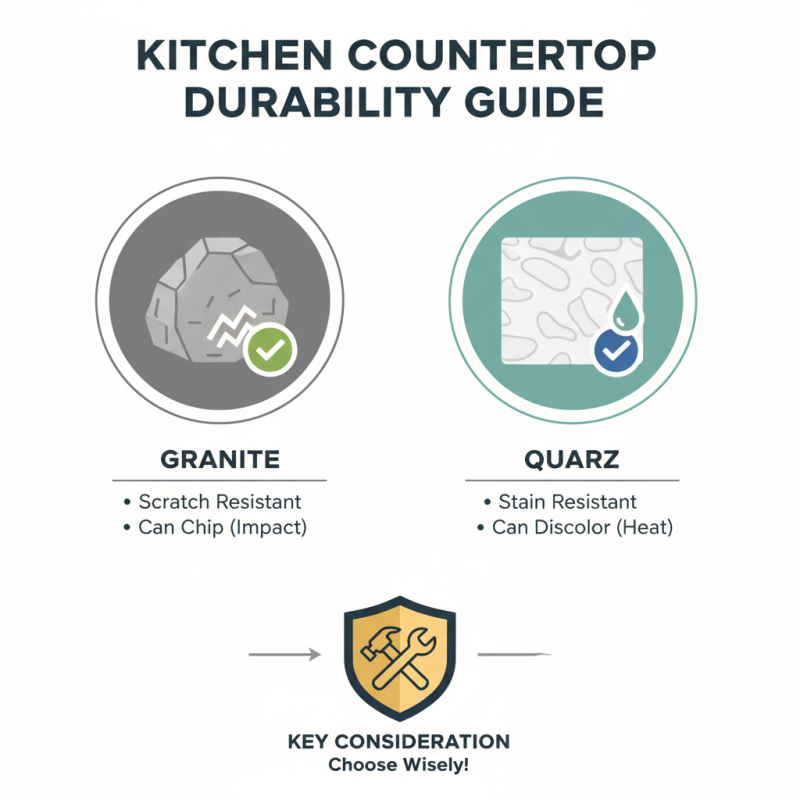
When choosing kitchen countertops, durability is a crucial aspect to consider. Different materials have varying strengths and weaknesses. For instance, granite is renowned for its scratch resistance. However, it can chip if heavy pots are dropped. Quartz, on the other hand, offers a non-porous surface, making it resistant to stains. Yet, it may discolor over time when exposed to high heat.
Concrete countertops provide a unique aesthetic, but they require sealing to prevent cracking. Reports indicate that approximately 30% of concrete countertops experience some form of damage within the first five years. Wood surfaces add warmth and beauty but are prone to scratches and water damage without proper care.
Tips: Always evaluate each material’s resistance to heat and stains while considering your cooking habits. You may want to conduct a scratch test on samples. Additionally, don’t overlook maintenance needs; some materials may require more upkeep than you anticipate. Think about how you use your kitchen. This insight can help guide your countertop choice effectively.
Aesthetic Appeal: Choosing Countertops That Suit Your Style
Choosing the right countertop can significantly enhance your home's aesthetic appeal. The surface material sets the tone for your kitchen. According to a report from the National Kitchen and Bath Association, 57% of homeowners consider visual appeal as a top priority. This statistic highlights the importance of a countertop that complements your overall design theme.
When selecting materials, consider what resonates with your style. Classic granite offers timeless beauty, while quartz provides a modern twist with its variety of colors. However, not all options are equally practical. Laminate, for example, is budget-friendly but may lack durability. In contrast, natural stone can be stunning but requires maintenance. It's essential to find the right balance that meets both your design desires and practical needs.
Lighting plays a crucial role in how countertops appear in your space. Reflection and color can change throughout the day. Some surfaces may even show stains more easily under bright lights. These factors complicate the decision-making process. Each choice has trade-offs that warrant careful reflection. What looks great in a store might not hold the same charm at home.
Cost Considerations: Budgeting for Your Countertop Investment
When planning your countertop investment, cost is a key factor. Different materials have varying price ranges, and you should assess what fits your budget. High-end options like quartz and granite can be stunning. However, they may stretch your finances. Consider laminates or butcher blocks as cost-effective alternatives. They can still provide a lovely appearance without breaking the bank.
Installation costs are often overlooked. Professional installation can add to your total expense significantly. You might think about a DIY approach to cut costs. But be cautious; not all DIY projects turn out well. A poor installation can lead to more expenses later. Additionally, think about the long-term value. A cheap countertop might need replacement sooner than you anticipate.
Investing in a countertop is more than picking a pretty surface. It's about making a choice that fits your lifestyle and future needs. Reflect on how you use your kitchen daily. Will your choice stand the test of time? Be mindful of these considerations, as they impact your overall satisfaction with your home.
2026 Best Home Countertop Options Cost Overview
This chart provides an overview of the average cost per square foot for various countertop options available in 2026. It helps homeowners make informed decisions based on their budgetary considerations.
Maintenance Requirements: Keeping Your Countertops in Top Shape
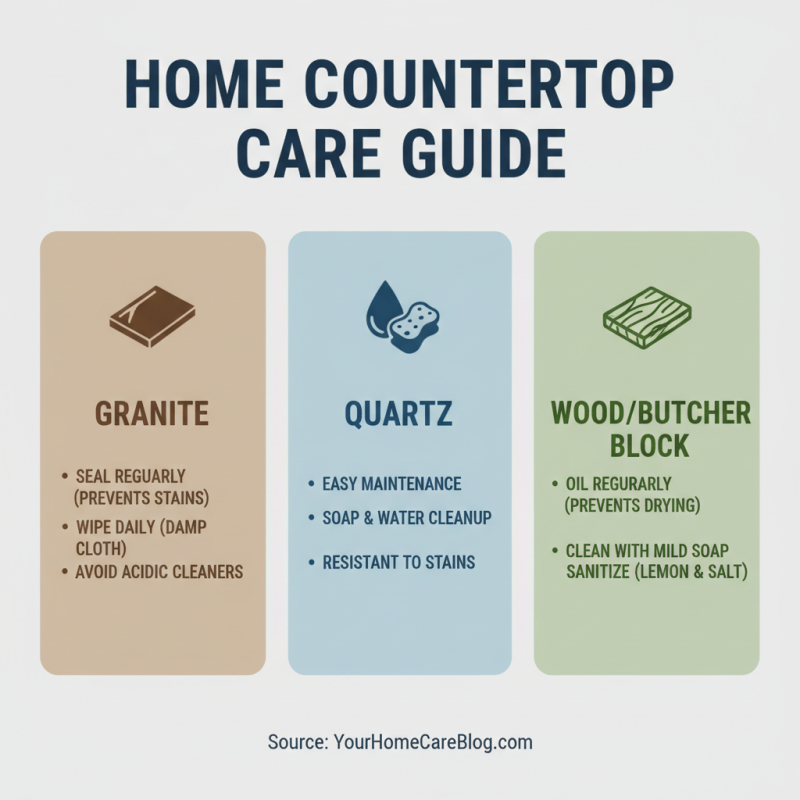
When it comes to maintaining your home countertops, understanding the specific needs of each material is essential. Different surfaces require varying levels of care. For instance, granite needs regular sealing to prevent stains. A simple wipe-down with a damp cloth is often enough. However, acidic cleaners can dull the finish, making long-term care trickier.
On the other hand, laminate surfaces are generally low-maintenance but can chip easily. It's crucial to use cutting boards and avoid harsh chemicals. A few scratches can easily become an eyesore. Keeping these surfaces in good shape may seem easy, yet neglect can lead to costly repairs down the line. Regular inspections can help you spot issues before they worsen.
Ultimately, maintaining your countertops is about being mindful and proactive. Investing a little time each week can save money in repairs and replacements later. Consider the type of activities you do in your kitchen as you decide how to care for your surfaces. Small habits make a significant impact on longevity and appearance. Don't let your countertops fall into disrepair; the effort is worth it.