Top 10 Benefits of Using a Telescopic Forklift for Your Business?
In today’s fast-paced business environment, efficiency and versatility are paramount. A Telescopic Forklift stands out as a valuable asset for many industries. Its unique design enhances lifting capabilities and extends reach. This allows businesses to handle materials in tight spaces with greater ease.
Adopting a Telescopic Forklift can significantly increase productivity. For instance, it can lift loads higher than standard forklifts, making it perfect for warehousing and construction sites. Moreover, the adjustable boom gives operators flexibility. However, operators must receive proper training to maximize safety and effectiveness.
While the advantages are clear, some may overlook maintenance requirements. Regular checks are essential for safe operation. Nevertheless, the long-term benefits often outweigh the initial investment. For any business looking to improve logistics, considering a Telescopic Forklift is a worthwhile decision.
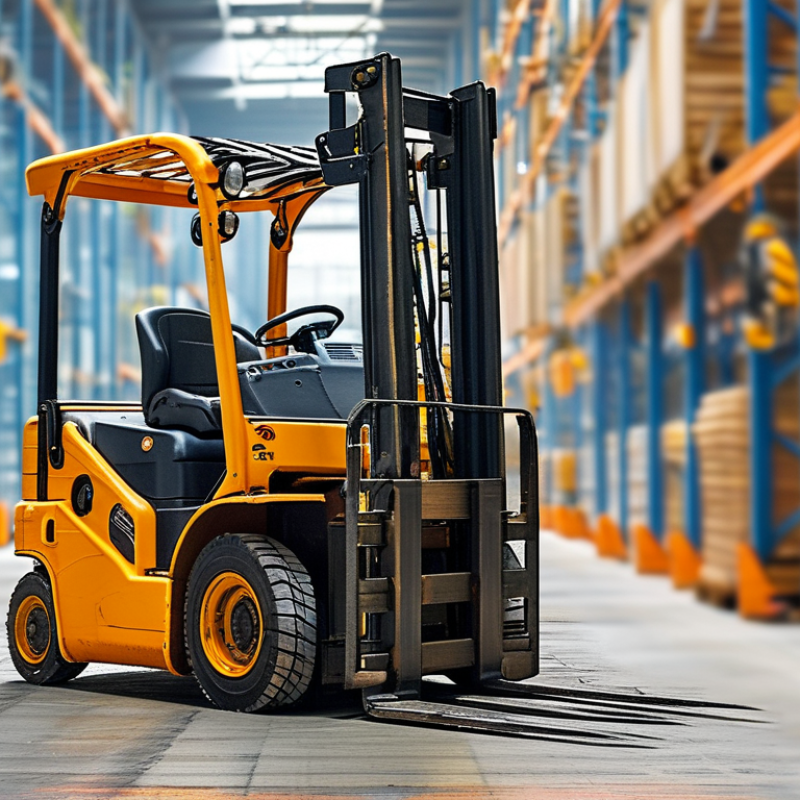
Understanding Telescopic Forklifts: An Overview of Their Functionality
Telescopic forklifts are versatile machines that stand out in material handling. They feature an extending boom that allows operators to lift loads to significant heights. This unique design enhances stability and reach, making them ideal for construction sites and warehouses.
According to the European Material Handling Federation, approximately 40% of lifting operations are conducted at heights above 2 meters. Telescopic forklifts excel in these circumstances. Their ability to navigate tight spaces while maintaining load control stands out in industries requiring mobility and flexibility.
While they offer numerous advantages, challenges exist. Operators must receive adequate training to ensure safe handling. A report from the Occupational Safety and Health Administration (OSHA) highlights that improper operation can lead to serious accidents. Ensuring proper maintenance is crucial. Regular checks can prevent malfunctions during operation. The initial cost may also deter some businesses, yet the long-term benefits often justify this investment.
Enhanced Lifting Capacity: Advantages for Heavy and Bulky Loads
Telescopic forklifts have revolutionized material handling in various industries. Their enhanced lifting capacity is particularly advantageous for moving heavy and bulky loads. Unlike traditional forklifts, telescopic models can reach greater heights and extend far beyond standard limits. This means they can lift materials directly to upper floors or specific locations without requiring additional equipment.
Consider a construction site where large pallets of bricks need to be moved. A telescopic forklift can easily transport these loads, saving both time and labor. It minimizes the risk of damage to materials, as the operator has better control over lifting and lowering. However, the size and profile of telescopic forklifts can present challenges in confined spaces. Operators must remain vigilant in managing these limitations to ensure safe operation.
The versatility of the telescopic forklift is a game changer. It can be used for different types of materials, adjusting to different load characteristics. But with great power comes great responsibility. Operators must be trained to handle these machines effectively. Inadequate training could lead to accidents or damage to the load and surroundings.
Reliability and safety should always be prioritized.
Increased Versatility: Adaptable Solutions for Various Industries
Telescopic forklifts are gaining traction across various industries due to their exceptional adaptability. These machines can handle diverse lifting tasks in tight spaces or rugged terrain. According to a report by the International Forklift Association, over 70% of businesses have experienced increased operational efficiency after adopting telescopic forklifts.
In construction, these forklifts are invaluable for reaching elevated areas. A telescopic forklift can extend its boom up to 60 feet, a remarkable feature for any project that involves high-rise work. In agriculture, they offer reliable solutions for lifting heavy loads, significantly reducing labor costs. The versatility of these machines transcends sectors; they can easily switch from lifting pallets to moving materials.
Tips: Regular maintenance is crucial. A well-maintained forklift increases longevity and performance. Also, training operators on various load-handling techniques maximizes safety and efficiency.
Though telescopic forklifts have made strides in the market, there are challenges. They can be heavy, leading to soil compaction on delicate grounds. Businesses must assess the environmental impact before deployment. Adapting to specific industry needs remains essential to harness their full potential. Investing in training and understanding equipment limitations can reduce mistakes and enhance productivity.
Improved Safety Features: Reducing Workplace Accidents and Risks
Telescopic forklifts have gained popularity in various industries. One notable advantage is their enhanced safety features. Studies indicate that companies utilizing modern forklifts experience a 25% reduction in workplace accidents. This statistic is driven by advanced technologies incorporated into these machines.
These forklifts typically come equipped with improved visibility and stability control systems. Enhanced visibility allows operators to see their environment better. This minimizes blind spots. Stability control systems reduce the risk of tipping over, a common cause of workplace injuries. A report by the Occupational Safety and Health Administration (OSHA) highlights that about 100,000 injuries annually are linked to forklift accidents. Telescopic forklifts can significantly lower these statistics.
While telescopic forklifts promote safety, operators require proper training. A lack of training can lead to misuse. The risk of accidents might persist if operators do not fully understand the vehicle's capabilities. Ensuring thorough training programs can increase safety further. Investing in these machines, alongside training, may help create a safer workplace environment.
Cost Efficiency: Long-Term Financial Benefits for Business Operations
Using a telescopic forklift can significantly enhance cost efficiency for businesses. These machines offer exceptional versatility. They can lift materials to varying heights with ease. This adaptability reduces the need for multiple machines, leading to cost savings. With fewer equipment purchases, businesses can redirect funds to other essential areas.
Maintenance costs are another crucial factor. Telescopic forklifts often require less frequent repairs than traditional forklifts. This reliability means reduced downtime. Workers can remain productive, handling tasks more efficiently. This efficiency often translates into better profit margins over time.
Labor costs may also see a decrease. More materials can be moved with fewer operators. However, proper training is essential. Without it, productivity can suffer. Investing in training ensures seamless operation, maximizing the financial benefits of the telescopic forklift. Balancing costs with smart equipment choices is vital for sustainable growth.