Top 10 Benefits of Sintered Stone for Modern Home Design
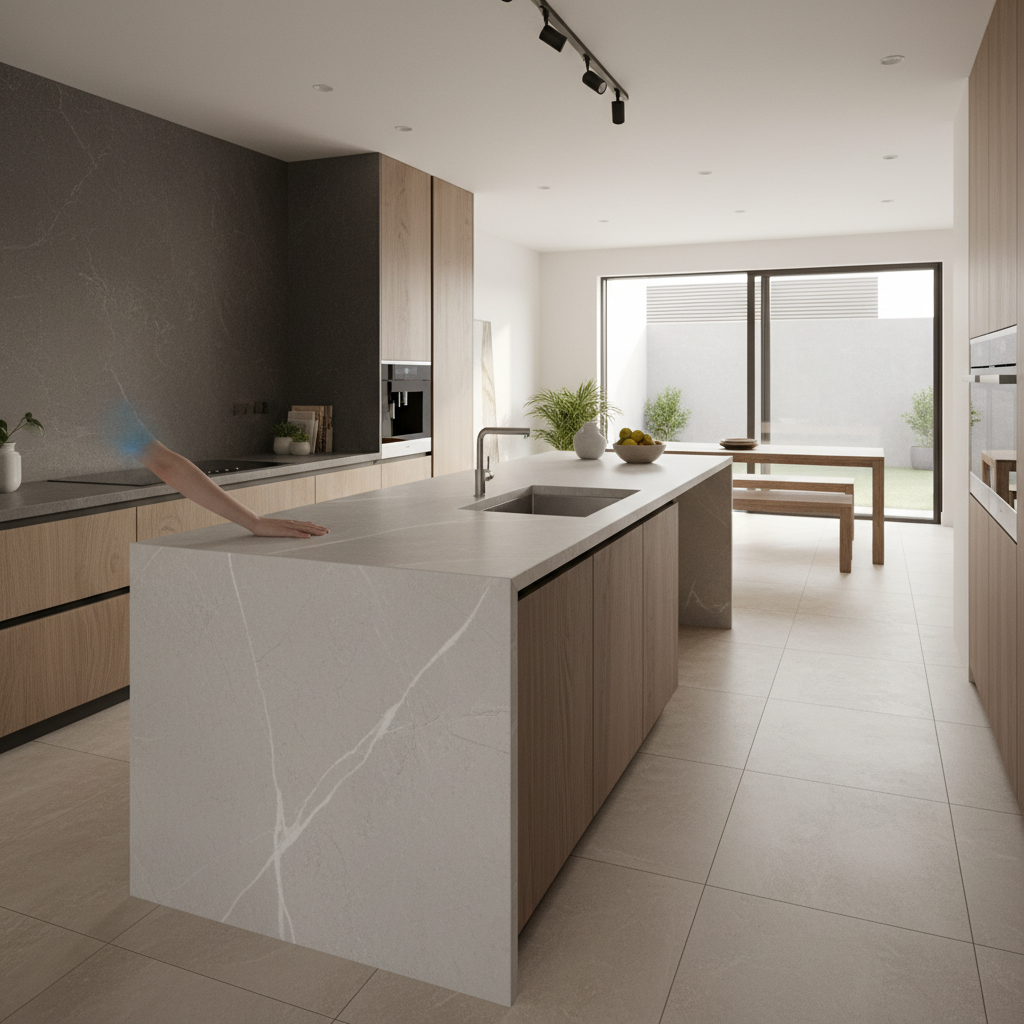 Sintered Stone is rapidly emerging as a favored material in modern home design, due to its exceptional versatility and durability. As the global market for sintered stone is projected to reach USD 3.45 billion by 2025, it is clear that design professionals and homeowners alike are recognizing its value in contemporary interiors. According to industry expert Dr. Lisa O'Brien, a leading figure in material innovation, “Sintered Stone not only enhances aesthetic appeal but also offers unmatched resilience and ease of maintenance, making it an ideal choice for a variety of residential applications.”
The advantages of sintered stone go beyond its stunning appearance. With features such as heat resistance, scratch resistance, and the ability to mimic natural stone, it has become a game-changer for kitchens, bathrooms, and outdoor spaces. In a recent report by the International Finishes Association, it was noted that 72% of designers prefer sintered stone due to its longevity and eco-friendly properties, which align perfectly with modern sustainability goals. As we delve into the top 10 benefits of sintered stone for modern home design, it becomes increasingly evident that this innovative material is paving the way for future design trends, combining functionality with breathtaking style.
Advantages of Sintered Stone in Contemporary Interiors
Sintered stone has emerged as a popular choice for modern home design, thanks to its remarkable versatility and aesthetic appeal. One of the primary advantages of sintered stone in contemporary interiors is its durability. Unlike traditional materials, sintered stone is resistant to scratches, stains, and extreme temperatures, making it ideal for high-traffic areas such as kitchens and bathrooms. This resilience not only preserves the stunning visual impact of sintered stone but also ensures longevity, minimizing the need for replacements or extensive maintenance.
**Tip:** When selecting sintered stone for your home, consider opting for a finish that complements your overall design theme. Whether you prefer a matte look for a soft ambiance or a glossy finish for a touch of elegance, the choices are endless. Additionally, its non-porous nature makes it an excellent option for surfaces that require hygiene, such as countertops and tabletops.
Moreover, sintered stone offers a wide range of colors and textures, allowing for seamless integration into any design scheme. This material can mimic natural stones like marble and granite, providing the beauty of luxurious materials without the drawbacks. Homeowners can achieve a cohesive aesthetic by incorporating sintered stone in various applications, from flooring to wall cladding, enhancing the overall environment of their living spaces.
**Tip:** Experiment with different formats, such as oversized tiles or bespoke pieces, to create unique design statements that reflect your personal style. Mixing sintered stone with other materials can also add depth and contrast, elevating the interior's visual interest.
Durability and Maintenance: Why Sintered Stone is a Top Choice
Sintered stone has emerged as a game-changer in modern home design, particularly due to its exceptional durability and low maintenance requirements. Unlike traditional materials, sintered stones are engineered to withstand high temperatures, staining, and scratching. According to a report by the Architectural Stone Institute, sintered stone shows remarkable resistance to heat, withstanding temperatures up to 1800°F (982°C) without compromising its structural integrity. This makes it an ideal choice for kitchen countertops and outdoor applications, where thermal stress can be a significant concern.
Moreover, maintenance is simplified with sintered stone, thanks to its non-porous surface. A study conducted by the National Association of Home Builders highlights that surfaces made from sintered stone require less aggressive cleaning methods and products, which not only saves time but also reduces the use of harmful chemicals in the home. With just soap and water typically sufficient for cleaning, homeowners can enjoy aesthetic appeal without the burden of constant upkeep. This combination of durability and easy maintenance has positioned sintered stone as a top choice for forward-thinking homeowners seeking modern, practical design solutions.
Top 10 Benefits of Sintered Stone for Modern Home Design
| Benefit |
Description |
| Durability |
Sintered stone is highly resistant to scratches, stains, and wear, making it ideal for high-traffic areas. |
| Heat Resistance |
Can withstand high temperatures without damage, suitable for kitchen countertops. |
| Low Maintenance |
Requires minimal upkeep and cleaning, as it doesn't absorb moisture. |
| Versatility |
Available in various colors, textures, and finishes, allowing for creative design options. |
| Eco-Friendly |
Made from natural materials and recyclable, contributing to sustainable building practices. |
| Water Resistance |
Non-porous surface that prevents water absorption, ideal for bathrooms and kitchens. |
| UV Resistance |
Does not fade when exposed to sunlight, maintaining its aesthetic appeal over time. |
| Cost-Effectiveness |
Despite initial costs, its durability and low maintenance save money in the long run. |
| Aesthetic Appeal |
Provides a sleek, modern look that enhances the overall design of a space. |
Aesthetic Versatility: Enhancing Various Design Styles
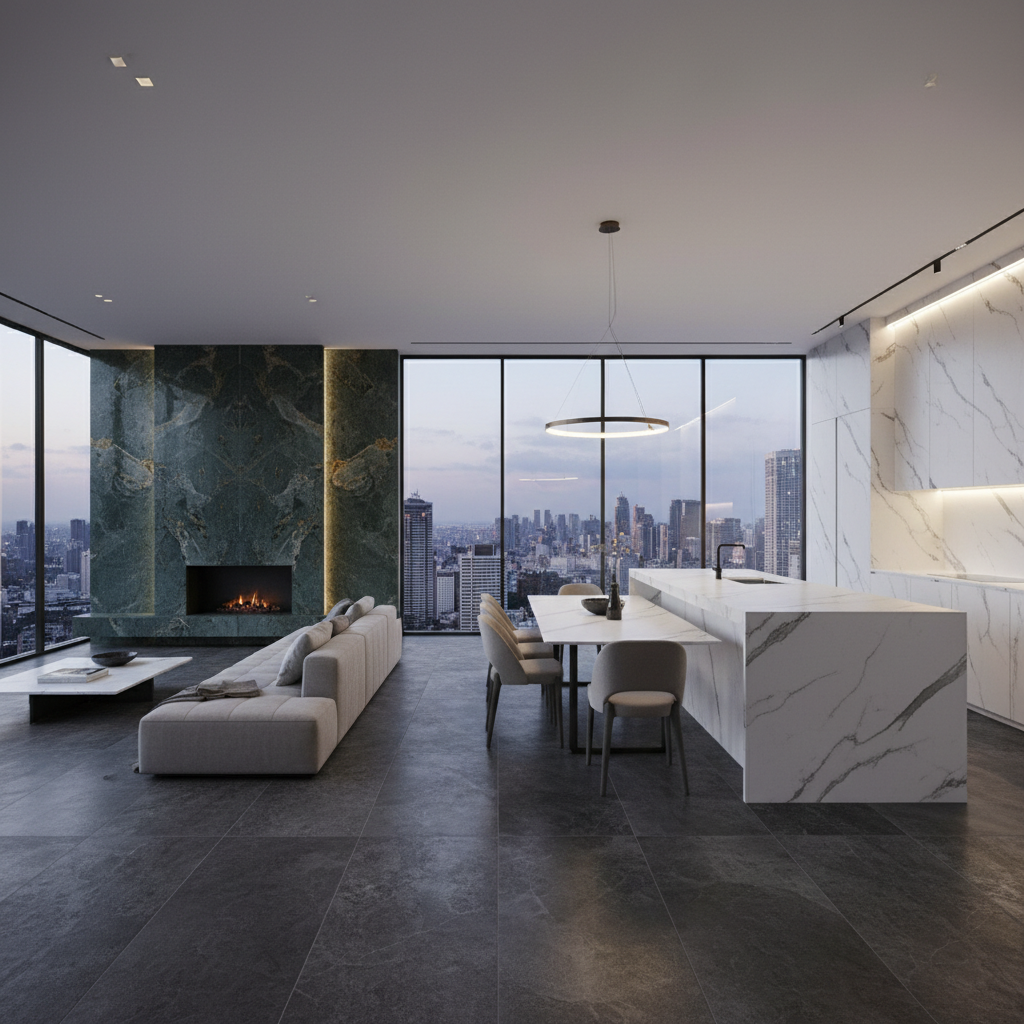
Sintered stone has emerged as a dominant choice in modern home design, particularly due to its aesthetic versatility that caters to various styles. This material, engineered from natural minerals through a process of high temperature and pressure, replicates the look of marble, granite, or even concrete without the typical upkeep hassles. According to a report by the National Association of Home Builders (NAHB), 70% of homeowners cite appearance as a primary factor in their material selection, making sintered stone an ideal candidate for those seeking elegance alongside functionality.
One significant advantage of sintered stone is its ability to blend seamlessly with contrasting design themes. Whether you aim for a minimalist, contemporary vibe or a warm, rustic aesthetic, sintered stone can enhance any space with its customizability in colors and textures. Design experts recommend incorporating sintered stone in kitchen countertops or bathroom vanities, providing both durability and style. To achieve a cohesive look, consider matching your sintered stone surfaces with complementary natural wood or crisp white cabinetry.
Tips: When selecting sintered stone, opt for finishes that reflect the desired ambiance in your home. For a cozy atmosphere, choose warmer tones, while cooler colors can create a sleek, modern feel. Additionally, lay out samples in your space to see how light interacts with different hues before making your final decision.
Sustainability Features of Sintered Stone for Eco-Friendly Living
Sintered stone, a revolutionary building material, brings a range of sustainability features that make it an ideal choice for eco-friendly living. Crafted from natural raw materials, sintered stone undergoes an environmentally conscious manufacturing process that minimizes waste and energy consumption. The material is not only durable but also retains its aesthetics over time, reducing the need for frequent replacements and thereby contributing to lower overall resource use.
Another significant advantage of sintered stone is its recyclability. At the end of its life cycle, it can be repurposed or recycled into new products, ensuring that it does not contribute to landfill waste. Additionally, its non-porous surface resists staining and bacterial growth, which means fewer harmful chemicals are required for cleaning and maintenance. By choosing sintered stone for modern home design, homeowners can support sustainable practices while enhancing the beauty and functionality of their living spaces.
Cost-Effectiveness of Sintered Stone in Long-Term Home Design
Sintered stone has emerged as a popular choice in modern home design, particularly due to its cost-effectiveness over the long term. Unlike traditional materials, sintered stone is highly durable and resistant to scratches, stains, and heat. This resilience means that homeowners spend less on repairs and replacements, making it an economical option in the long run. The initial investment may be higher compared to other materials, but the longevity and minimal maintenance requirements quickly offset the costs.
Additionally, sintered stone is versatile in design, allowing for a variety of finishes and appearances that suit different aesthetic preferences. With its ability to mimic natural stones and other surfaces, homeowners are not only saving money but also gaining access to high-end looks without the premium price tag. This combination of durability, low maintenance, and aesthetic appeal makes sintered stone a smart investment for those looking to enhance their living spaces while keeping long-term costs manageable.
Top 10 Benefits of Sintered Stone for Modern Home Design
This chart illustrates the top 10 benefits of using sintered stone in modern home design, showcasing their rating based on various aspects important to homeowners and designers. Each benefit is rated out of 10, indicating the strong value that sintered stone brings to long-term home design.