Top 10 Benefits of Automated Parking Management Systems?
The trend of incorporating Automated Parking Management Systems (APMS) is reshaping urban mobility. According to a report by the International Parking Institute, cities can save up to 30% of parking space by implementing such systems. These innovative solutions streamline vehicle parking, improving efficiency and reducing congestion.
Dr. Emily Carter, a leading expert in smart city technologies, states, "APMS are not just a convenience; they are essential for future urban development." This technology enhances user experience by minimizing wait times and maximizing space utilization. APMS also support sustainable practices, contributing to lower greenhouse gas emissions.
However, while the benefits are compelling, challenges remain. Integration with existing infrastructure can be complex. Additionally, user acceptance varies widely. Balancing innovation with public needs is a critical aspect for successful implementation. The evolution of Automated Parking Management Systems will play a vital role in the smart cities of tomorrow.
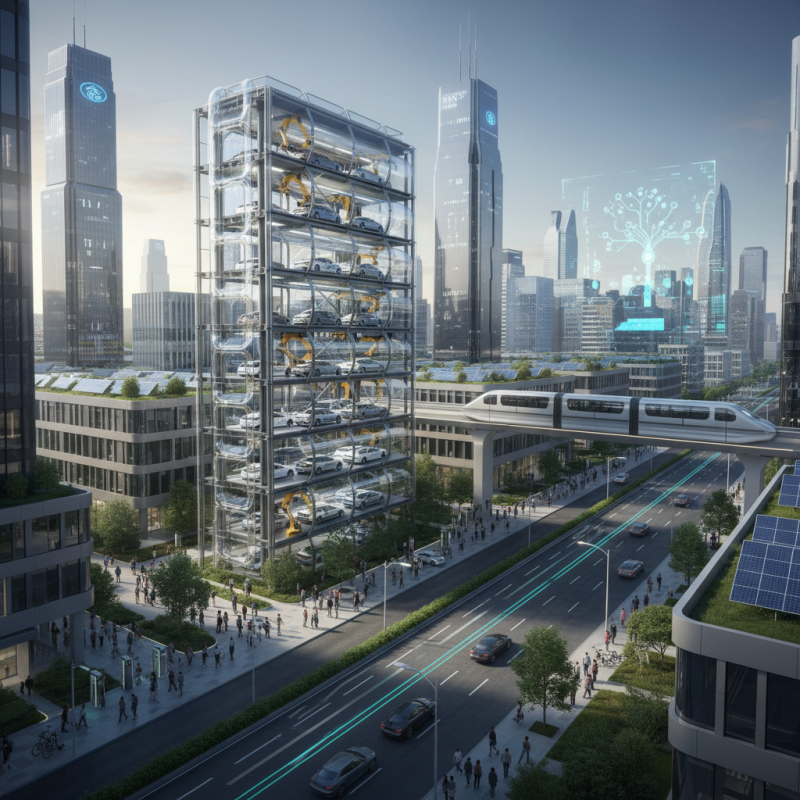
Overview of Automated Parking Management Systems
Automated Parking Management Systems (APMS) are transforming how urban areas manage vehicle parking. These systems reduce human error and streamline operations, making them essential in busy cities. According to a 2022 report by the International Parking & Mobility Institute, cities can save up to 30% in operating costs by implementing automation.
Many parking facilities now use automated systems to enhance user experiences. These systems feature real-time data analytics, enabling better utilization of parking spaces. A notable finding from the Urban Land Institute indicates that cities can reduce congestion by nearly 20% when employing these technologies. Automated systems provide drivers with app-based notifications about available spaces, cutting down on time spent searching for parking.
While the benefits are significant, challenges remain. Implementation costs can be high, and there is a learning curve for users. Additionally, some argue that reliance on technology may lead to vulnerabilities in cybersecurity. Bringing together technical expertise and user education can mitigate these risks, ensuring systems operate smoothly. As cities embrace automation, continuous evaluation is crucial to address potential pitfalls while maximizing the benefits of these advanced parking solutions.
Enhanced Space Utilization and Efficiency
Automated parking management systems enhance space utilization and efficiency significantly. Traditional parking methods often lead to wasted space. In contrast, automated systems can stack cars and maximize available area. This smart technology analyses real-time data on space occupancy. It allows for dynamic adjustments, increasing parking capacity.
Efficiency improves not only through space usage but also in time management. Drivers spend less time searching for parking spots. Automated systems guide users directly to available spaces. This reduces traffic congestion in urban areas.
Unexpected challenges may arise, such as equipment malfunctions. Regular maintenance is crucial to avoid downtime and reliability issues. Moreover, the user experience can vary. Some may find the technology intimidating. Training sessions or user-friendly interfaces can mitigate these feelings.
Despite these potential hurdles, the benefits remain clear. Enhanced space utilization and efficiency in parking management can transform urban landscapes.
Reduction of Operational Costs and Labor Requirements
Automated Parking Management Systems (APMS) significantly reduce operational costs and labor requirements. By integrating advanced technology, facilities can streamline parking operations. This leads to fewer staff needed for monitoring and managing parking spaces. As a result, businesses can allocate resources more efficiently.
One of the key benefits is the reduction in time spent by employees on routine tasks. With automation, systems can control entry and exit seamlessly. This cuts down the need for manual ticketing and cash handling. Facilities can experience up to a 30% decrease in labor costs.
Tip: Regularly assess the efficiency of your APMS. Track cost savings and employee productivity. This will help uncover areas for improvement.
While automated systems are innovative, they may encounter initial hurdles. Some users might find transitions challenging or technology intimidating. Providing training can ease this process. Employees should feel confident in using the new system.
Tip: Gather feedback from staff after implementation. This can highlight concerns or suggestions for better performance. Addressing these issues early creates a smoother operation.
Improved User Experience and Customer Satisfaction
Automated Parking Management Systems (APMS) are revolutionizing how users interact with parking facilities. They drastically improve user experience by minimizing wait times. According to a recent study by the International Parking & Mobility Institute, efficient parking systems can reduce time spent searching for a spot by up to 43%. This translates directly to satisfied customers who value their time.
One key feature of APMS is real-time availability updates. Users can check in advance whether a parking space is open. This transparency builds trust, leading to heightened satisfaction. A report by Frost & Sullivan states that consumers are 80% more likely to return to a facility that employs clear communication about parking availability.
Tips: Offer clear signage throughout the parking area. This will enhance user understanding, leading to a better experience. Regular updates about system improvements can also keep users informed, creating a sense of community around the facility.
Another consideration is the overall safety perception. While APMS can enhance security through surveillance and automatic access control, there is still room for improvement. Some users express concerns about technology failures. Continuous training of staff and regular maintenance checks are vital. This proactive approach helps alleviate fears, ensuring clients feel more secure while parking.
Increased Safety and Security in Parking Areas
Automated Parking Management Systems significantly enhance safety and security in parking areas. These systems use advanced technology to monitor and manage vehicle movement. This leads to reduced accidents and safer environments for pedestrians. Enhanced surveillance features allow operators to detect suspicious activities swiftly. Video cameras and motion sensors are part of this comprehensive security strategy.
Moreover, automated systems can help eliminate human errors. They reduce the risk of theft or vandalism when properly implemented. The automation process also means fewer unauthorized vehicles can enter the premises. In some instances, even the lighting in parking areas will adjust based on activity, making the environment feel more secure.
However, challenges still exist. Not all systems are foolproof, and maintenance is essential. Technology can fail, leaving parking areas vulnerable. Regular updates and checks are necessary to ensure these systems function well. Investing in training for staff is crucial to maximize system efficiency. Users should remain aware of their surroundings, even with automated systems in place. This creates a more holistic approach to safety.