
Blog

2026 Top Patella Strap Types for Global Buyers

A Patella Strap may look simple: a narrow band, an adjustable closure, and a pressure pad beneath the kneecap. Yet small design differences can affect fit, comfort, and how easily buyers compare products. For global buyers, choosing a type means looking beyond photographs. Check the strap’s stated length range, material composition, pad shape, fastening method, and care instructions. Fit still matters.

This guide introduces common options, including single-strap designs, dual-strap models, and wider adjustable wraps. It explains practical differences without assuming that one style suits every wearer or market. A soft, flexible band may feel comfortable under clothing, while a broader closure can offer more adjustment; neither detail alone proves better performance. Ask suppliers for consistent sizing charts, clear product specifications, and samples when purchasing at scale. Small details count.

Packaging and labeling also deserve attention. Measurements should use clear units, and product descriptions should distinguish materials rather than relying on vague terms such as “premium.” These checks help buyers compare offers across regions and reduce avoidable misunderstandings. Still, a polished specification sheet cannot reveal every fit issue. That is an important limitation. For individual use, comfort and appropriate guidance matter more than marketing language. The following sections provide a grounded overview of Patella Strap types, their visible features, and the questions buyers can ask before selecting products.
2026 Top Patella Strap Types for Global Buyers

How Patella Straps Support the Knee and Where They Apply Pressure

A patella strap rests below the kneecap, where it applies focused pressure across the patellar tendon. Its padded section should sit comfortably, not directly over the kneecap. When fitted well, the strap may change how force is felt during running, jumping, or climbing stairs. It does not lock the kneecap in place. Small details matter: a strap that is too tight can irritate the skin or feel restrictive.

Pressure placement affects comfort. Some straps use a narrow band with a single pad; others spread contact across a wider area. People may try them during sports or everyday activity when discomfort is associated with repetitive knee loading, but a strap is not a diagnosis or a guaranteed fix. Responses vary.

If pain worsens, numbness appears, or symptoms persist, loosen or remove the strap and seek qualified advice. Fit can be surprisingly personal, and that part is easy to underestimate.

A useful test is simple: walk, bend the knee, then try a few controlled movements. The strap should feel secure without pinching or shifting.

Main Patella Strap Designs Available to Global Buyers in 2026

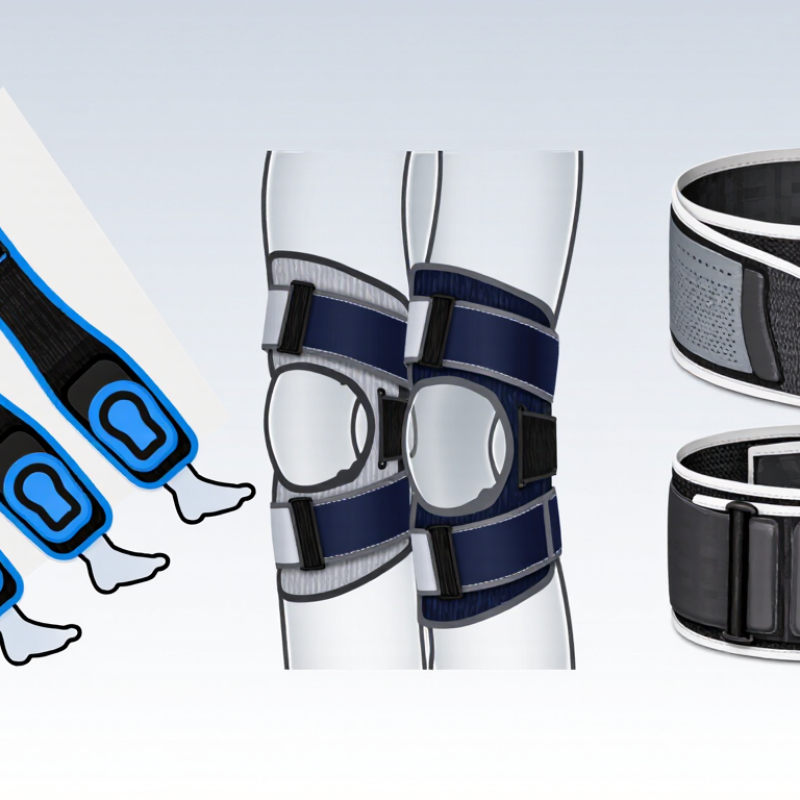
In 2026, global buyers will find four common patella strap designs: a simple under-kneecap band, an adjustable wraparound strap, a sleeve with an integrated strap, and a dual-strap model. A basic band is lightweight and quick to fit, but its narrow contact area may feel uncomfortable during long wear. Wraparound designs allow tension adjustment with hook-and-loop closures. Buyers should check whether the closure remains secure after repeated opening and washing. Small detail. A sleeve-and-strap combination can feel more stable, though it may retain heat around the knee. Dual straps offer more adjustment, but extra parts can complicate sizing and inventory.

Market context matters, but it needs careful interpretation. Grand View Research’s 2024 knee-braces market report estimated the global market at about USD 1.5 billion in 2023, with projected annual growth of 4.6% through 2030. This covers knee braces broadly, not patella straps alone. Still, it signals sustained demand for knee-support products. Buyers comparing suppliers should request strap-width measurements, material specifications, size charts, and wear-test details. A label saying “universal fit” is not enough. Ask how the strap performs on different leg shapes, and whether its edges curl during movement. Some designs look simple on a product sheet. Fit can be less simple in daily use.

2026 Top Patella Strap Types for Global Buyers – Main Patella Strap Designs Available to Global Buyers in 2026

Patella Strap Type Typical Design Common Use Fit and Adjustment Buyer Checks
Single infrapatellar strap A narrow adjustable band worn just below the kneecap, commonly with a shaped pad or pressure insert. Often selected for sports or activity when support is desired around the patellar tendon area. Fastens around the upper lower-leg area; tension should be adjustable and comfortable. Check strap length, fastening range, pad placement, edge finish, and sizing guidance.
Double-strap design Two adjustable bands positioned above and below the kneecap, sometimes connected by side panels. Provides a more secured fit than a single narrow strap for users who prefer upper- and lower-knee adjustment. Each band can usually be tightened separately; placement and strap overlap affect comfort. Review adjustment range, strap separation, closure durability, and whether the design restricts knee bending.
Patellar strap integrated into a knee sleeve A fabric knee sleeve with a built-in adjustable band or targeted pressure area beneath the kneecap. Combines local strap support with general coverage and compression from the sleeve. Sizing depends on the sleeve fit; the integrated strap may offer less independent adjustment than a separate strap. Check size-chart measurement points, sleeve length, fabric stretch, seam placement, and care instructions.
Open-patella knee support with strap A knee support with an opening around the kneecap and an adjustable strap, often positioned below or around the patella. Chosen by buyers seeking a combination of knee coverage and an open kneecap design. The opening should align with the kneecap; incorrect sizing can cause shifting or pressure at the edges. Verify opening dimensions, available sizes, strap position, and product instructions for correct placement.
Wraparound adjustable strap A strap that wraps around the knee area and closes with a hook-and-loop fastening system; some versions include a shaped pad. Useful for buyers prioritizing flexible positioning and quick adjustment across different activity settings. The wearer can vary strap tension, but it should not be fastened so tightly that it causes discomfort or circulation concerns. Assess fastening area, strap width, adjustment range, material feel, and whether the strap stays in place during movement.
Patellar-stabilizing support with side stays A knee brace-style support that may combine a kneecap opening or buttress, adjustable straps, and flexible side stays. Selected when buyers want a broader brace structure rather than a standalone narrow patella strap. Requires careful sizing and alignment; side stays and straps can affect comfort and range of movement. Confirm stay flexibility, brace dimensions, left/right compatibility, sizing method, and intended-use guidance.

Product designs and fit vary by manufacturer. Buyers should review sizing instructions and intended-use information; a strap is not a substitute for professional assessment when knee pain or injury is present.

Materials, Closures, and Fit Features Across Strap Types

Patella straps differ most in material, closure, and pressure control. Neoprene feels soft and retains warmth, but can feel damp during long activity. Knitted elastic fabric is lighter and often more breathable. Silicone-lined versions may help reduce slipping, though sweat and skin shape still affect grip. Small differences matter.

Closures shape everyday fit. Hook-and-loop tabs allow quick tension changes over clothing or bare skin. Buckle-style designs can hold a set position, but may feel bulky under trousers. A strap should sit just below the kneecap, with its pad centered over the tendon. Snug, not tight. Check for numbness, pinching, or red marks after use; these suggest the fit needs adjustment. One-size sizing is convenient, but not always convincing.

The commercial category is growing: Grand View Research estimated the global knee-brace market at about US$1.8 billion in 2023. That figure covers more than patella straps, so it should not be read as strap-specific demand. For global buyers, published size charts, strap-length ranges, washable-material details, and closure-cycle testing offer more useful comparisons than broad market growth. Fit remains personal, and product descriptions rarely capture every leg shape. That gap deserves more attention.

2026 Top Patella Strap Types for Global Buyers

Typical strap construction, materials, closures, and fit features

How to read the chart: It compares the typical number of adjustable strap bands in each design—not market share, product quality, or clinical effectiveness. Product construction varies by model.

  • Single infrapatellar strap: One band sits below the kneecap, commonly using elastic or neoprene, with a hook-and-loop closure for tension adjustment.
  • Dual-strap design: Two bands typically sit above and below the kneecap; adjustable closures allow separate tension changes.
  • Wraparound single strap: One adjustable band wraps around the knee, often with a hook-and-loop closure and a flexible fit range.
  • Sleeve with integrated patella strap: A fabric sleeve adds coverage, while one adjustable band targets the area below or around the kneecap. Sleeves commonly use elastic knit or neoprene; some designs include silicone grip elements to help limit slippage.

How to Match a Strap Type to Activity and User Needs

Match the patella strap to the movement, not just the diagnosis. For running, jumping, or court drills, a narrow infrapatellar band sits below the kneecap and stays low-profile. For long walks or extended wear, some users prefer a wider wraparound strap with adjustable tension. Fit matters. The World Health Organization’s Global Status Report on Physical Activity 2024 estimates that 1.8 billion adults, or 31% worldwide, do not meet recommended activity levels. That figure describes activity, not strap effectiveness, but it highlights why buyers need options for different routines.

Check the strap during the movement it is meant to support. It should stay in place without pinching, rubbing, or causing numbness. A band that feels secure while standing may slip during repeated squats. Measure the leg according to the supplier’s sizing instructions, and compare adjustment range, material, and washability. For sensitive skin, smooth seams and breathable fabric may matter more than extra compression. A strap can offer a useful fit preference, but it is not a cure. Evidence for symptom relief varies, and persistent or worsening knee pain deserves assessment by a qualified health professional. Sizing charts are not perfect; real movement can expose a poor fit.

Global Buying Criteria for Quality, Compliance, and Supply

Global buyers should assess patella straps by fit, materials, and repeatable performance, not price alone. Check whether the strap stays positioned during knee bends and light activity. Look for smooth edges, secure stitching, and closures that remain adjustable after repeated use. Small details matter. Ask suppliers for size ranges, measurement guidance, and clear care instructions. Different users may need different tension, so a single-size offer can limit practical fit.

Request material specifications, inspection criteria, and test records that match the intended market and product claims. Confirm labeling, packaging, and required conformity documents with qualified local reviewers before placing an order. Requirements can differ by destination and product classification, so avoid relying on a generic certificate. Keep records. Sample the actual production version, not only a polished sales sample. An uncomfortable strap may pass a visual check. That gap deserves attention.

Supply planning matters just as much as design. Compare realistic lead times, minimum order quantities, batch consistency, and replacement-part availability. Ask how changes in fabric, elastic, or stitching are approved and communicated. Request pre-shipment photos or inspection reports for early orders, then verify a few cartons on arrival. Forecasts are never perfect. Leave room for seasonal demand and shipping delays, while avoiding excess stock that may age in storage. Trust grows through documented checks and candid correction when a sample falls short.