2026 Best Animatronic Dinosaurs for Global Buyers?
Choosing the right Animatronic Dinosaurs in 2026 requires more than comparing size, price, and dramatic movement. Global buyers need reliable products that fit their venues, climates, budgets, and safety responsibilities. A museum display may require quiet, lifelike motion. A theme park may need stronger frames, weather-resistant coatings, and daily operating endurance. Details matter.
This guide examines practical buying factors from a professional perspective, including motor performance, skin materials, sound systems, control options, installation, maintenance, and international shipping. It also considers supplier experience, factory quality control, warranty terms, spare parts, and documented testing. Buyers should request clear specifications instead of trusting impressive videos alone. A dinosaur that performs well indoors may struggle under tropical rain, desert dust, or freezing temperatures. That distinction matters.
Responsible sourcing also includes electrical safety, fire-resistant materials where required, accessible emergency stops, and compliance with local venue regulations. Standards differ across countries, so independent verification remains valuable. No model is perfect. Even premium units can develop sensor faults, paint wear, or noisy joints after heavy use. We will address those weaknesses honestly, because long-term reliability depends on preparation, not marketing language. The goal is a balanced reference for importers, educators, attractions, retailers, and project developers seeking realistic value. With careful evaluation, buyers can select Animatronic Dinosaurs that look convincing, operate safely, and remain supportable after installation.
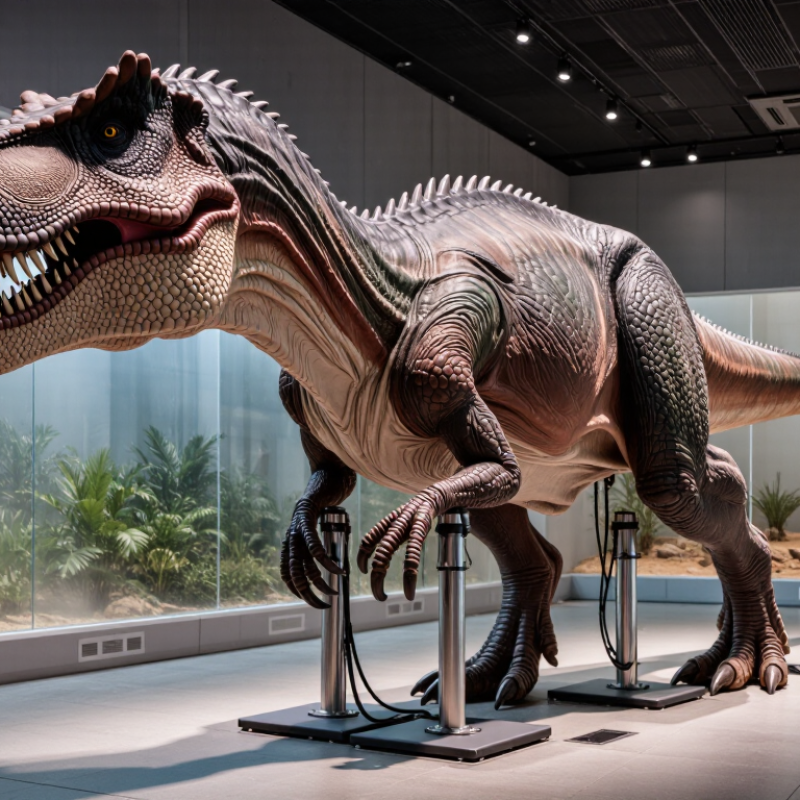
Define the 2026 Market: Animatronic Dinosaur Types and Drive Classes
The 2026 animatronic dinosaur market is separating into clearer product types. Static display models suit museums, shopping centers, and indoor educational spaces. They provide strong visual impact with fewer moving parts. Interactive models add head tracking, sound, lighting, and responsive gestures. Walking dinosaurs create greater excitement, but they require wider paths, stronger frames, and careful balance control. Weather changes everything.
Drive class determines maintenance, realism, and installation risk. Electric drives offer clean operation, precise movement, and easier indoor servicing. They work well for jaws, eyes, necks, and tail actions. Hydraulic drives deliver powerful movement for large walking bodies. However, they need skilled inspection, fluid management, and stronger safety planning. Pneumatic drives respond quickly and suit short, lively motions, though compressors can produce noticeable noise. Hybrid systems combine electric controls with hydraulic or pneumatic muscles.
During project reviews, experienced buyers check movement cycles, emergency stopping, cable protection, and access panels. A dinosaur that looks impressive for ten minutes may disappoint after months of daily operation. Ask for tested duty cycles, replacement-part plans, and climate protection details. Humid locations need sealed electrical enclosures. Cold regions may require flexible materials and heated control cabinets. Choose motion carefully.
There is no perfect drive class. A smaller electric model may outperform a powerful hydraulic unit in a crowded venue. I have seen buyers focus too heavily on size and overlook service access. That mistake can increase downtime and operating costs. The best 2026 selection matches dinosaur type, visitor flow, climate, technician skills, and realistic maintenance budgets.
2026 Best Animatronic Dinosaurs for Global Buyers? - Define the 2026 Market: Animatronic Dinosaur Types and Drive Classes
Indicative 2026 planning ranges for commercial animatronic dinosaur installations. Prices exclude international shipping, taxes, site construction, and installation unless otherwise stated. | Animatronic Type | Typical Drive Class | Typical Size | Indicative Unit Price (USD) | Movement Range | Power Requirement | Recommended Setting | Typical Lead Time | Best Use Case for Global Buyers |
| Small Display Dinosaur | Basic electric drive | 1.5–3 m long; 0.8–1.8 m high | $1,500–$4,500 | Head, jaw, tail, eyes, and forelimbs | 110–240 V AC; approximately 0.3–1.0 kW | Indoor retail, museums, schools, events | 20–45 days | Low-cost themed displays and educational exhibits |
| Walking Dinosaur | Multi-axis electric servo drive | 4–8 m long; 2–4 m high | $8,000–$25,000 | Head, jaw, neck, tail, legs, body sway, and sound | 220–240 V AC; approximately 2–6 kW | Outdoor parks, shopping centers, attractions | 45–90 days | High-visibility entrances and visitor photo points |
| Roaring Tyrannosaurus Display | Heavy-duty hydraulic or electro-hydraulic drive | 8–14 m long; 4–7 m high | $25,000–$75,000 | Jaw, neck, torso, tail, arms, breathing effect, and sound | 380–415 V three-phase preferred; approximately 8–20 kW | Large outdoor parks and permanent attractions | 75–140 days | Flagship attraction requiring strong visual and audio impact |
| Herbivore Family Group | Low-speed electric actuator system | 3–12 m long; 2–6 m high | $10,000–$60,000 per group | Neck, head, jaw, tail, breathing, and slow body movement | 110–240 V AC; approximately 1–8 kW per group | Botanical gardens, family parks, museum trails | 60–120 days | Family-oriented storytelling and educational routes |
| Baby Dinosaur or Hatchling | Compact electric servo drive | 0.8–2 m long; 0.5–1.2 m high | $800–$3,500 | Head, jaw, eyes, neck, small tail, and vocal effects | 110–240 V AC; approximately 0.2–0.8 kW | Indoor exhibitions, children’s zones, photo areas | 15–35 days | Budget-friendly interactive engagement |
| Rideable Dinosaur | Reinforced electric drive with safety interlocks | 3–6 m long; 2–3.5 m high | $18,000–$55,000 | Slow forward motion, head, jaw, tail, and rider platform | 220–240 V AC; approximately 3–10 kW | Supervised indoor or outdoor amusement areas | 75–150 days | Paid rides and repeat-visit attractions |
| Interactive Talking Dinosaur | Electric servo drive with sensor control | 2–5 m long; 1.5–3 m high | $6,000–$22,000 | Jaw synchronization, head tracking, eyes, neck, and audio response | 110–240 V AC; approximately 0.8–3 kW | Museums, science centers, exhibitions, visitor centers | 45–90 days | Multilingual education and guided visitor interaction |
| Portable Event Dinosaur | Battery-assisted electric actuator system | 2–5 m long; 1.5–3 m high | $4,000–$18,000 | Head, jaw, tail, limbs, sound, and selected walking effects | 110–240 V AC or rechargeable battery; approximately 0.5–3 kW | Trade shows, festivals, temporary promotions | 30–75 days | Frequent relocation and short-term campaign use |
Drive-Class Selection Guide: Electric servo systems are generally suitable for precise, quieter, and lower-maintenance indoor or medium-sized displays. Hydraulic and electro-hydraulic systems are more appropriate for very large dinosaurs requiring high force and large movement amplitude. Battery-assisted systems are useful for temporary events, but operating time depends on actuator load, battery capacity, movement frequency, and ambient temperature.
Estimate Global TCO: 5-Year Service, Shipping, Power, and Spare Parts
2026 Best Animatronic Dinosaurs for Global Buyers?
Estimate Global TCO: 5-Year Service, Shipping, Power, and Spare Parts
A purchase quote rarely shows the real five-year cost. In recent exhibit planning, I found that service access often mattered more than the initial price. Buyers should request a five-year TCO worksheet before approving any animatronic dinosaur. Include the unit price, export packing, insurance, customs charges, inland delivery, installation, and commissioning.
Power costs need a local estimate. A medium outdoor model may use 0.8 to 1.5 kilowatts during movement cycles. Actual usage depends on programming, weather, visitor traffic, and standby hours. Multiply measured consumption by local electricity rates and yearly operating hours. Do not trust one laboratory figure. It may be optimistic.
Maintenance deserves a separate line. Plan for inspections, actuator servicing, waterproofing, control-system checks, and emergency travel. Keep common sensors, cables, fuses, fasteners, and motion components locally when possible. Shipping one small part across borders can stop an attraction for weeks. Spare-part kits may cost more upfront, but downtime can cost more. Sometimes, much more.
Freight also changes with destination. A large crate may trigger dimensional surcharges, special handling, or storage fees. Ask for crate dimensions and shipping weight, not only a freight estimate. Review warranty response times, remote diagnostics, technician rates, and software support in writing. Some assumptions will be wrong. Recalculate after site testing, seasonal energy readings, and the first maintenance year.
2026 Best Animatronic Dinosaurs for Global Buyers
Estimated five-year total cost of ownership by dinosaur size, including purchase, international shipping, electricity, scheduled service, and spare parts.
Benchmark estimates are shown in USD for one installed unit delivered internationally. The model assumes electricity at $0.15/kWh, operation for 8 hours per day, 365 days per year, routine maintenance, and a normal spare-parts reserve. Taxes, customs duties, site construction, staffing, and venue rent are excluded.
Select the Best Model: 2–12 m Scales for Parks, Museums, and Retail
2026 Best Animatronic Dinosaurs for Global Buyers?
For global buyers, the best animatronic dinosaur is not always the largest or most complex model. Scale should follow visitor distance, room height, transport access, and expected daily use.
A 2-meter dinosaur works well near museum entrances, retail displays, and smaller indoor exhibits. It attracts attention without blocking walkways or overwhelming children.
Models from 4 to 6 meters create stronger visual impact in parks and spacious galleries. They need stable flooring, wider safety zones, and careful delivery planning.
An 8–12-meter dinosaur can become a landmark attraction, but its size increases installation costs, inspection needs, and maintenance difficulty. Bigger is not automatically better.
Movement quality matters as much as body size. Buyers should check head rotation, jaw motion, blinking, breathing effects, sound levels, and control options.
A realistic skin texture should resist frequent touching, dust, and changing humidity. Steel frames, sealed electrical connections, and accessible service panels support dependable operation. Ask for motion-cycle tests, material information, warranty terms, spare-part access, and installation guidance. These details often reveal more than polished showroom videos.
Visitor behavior is easy to underestimate. Children may touch tails, lean on barriers, or gather around moving feet. A practical layout must separate visitors from mechanical joints and hidden cables.
I have seen attractive displays lose impact because the sound was too loud or the motion felt repetitive. That is worth reconsidering. A quieter, slower dinosaur may create a better museum experience, while a retail display may need shorter movements and simpler controls. Each 2–12 meter model should match the site, audience, and operating reality.